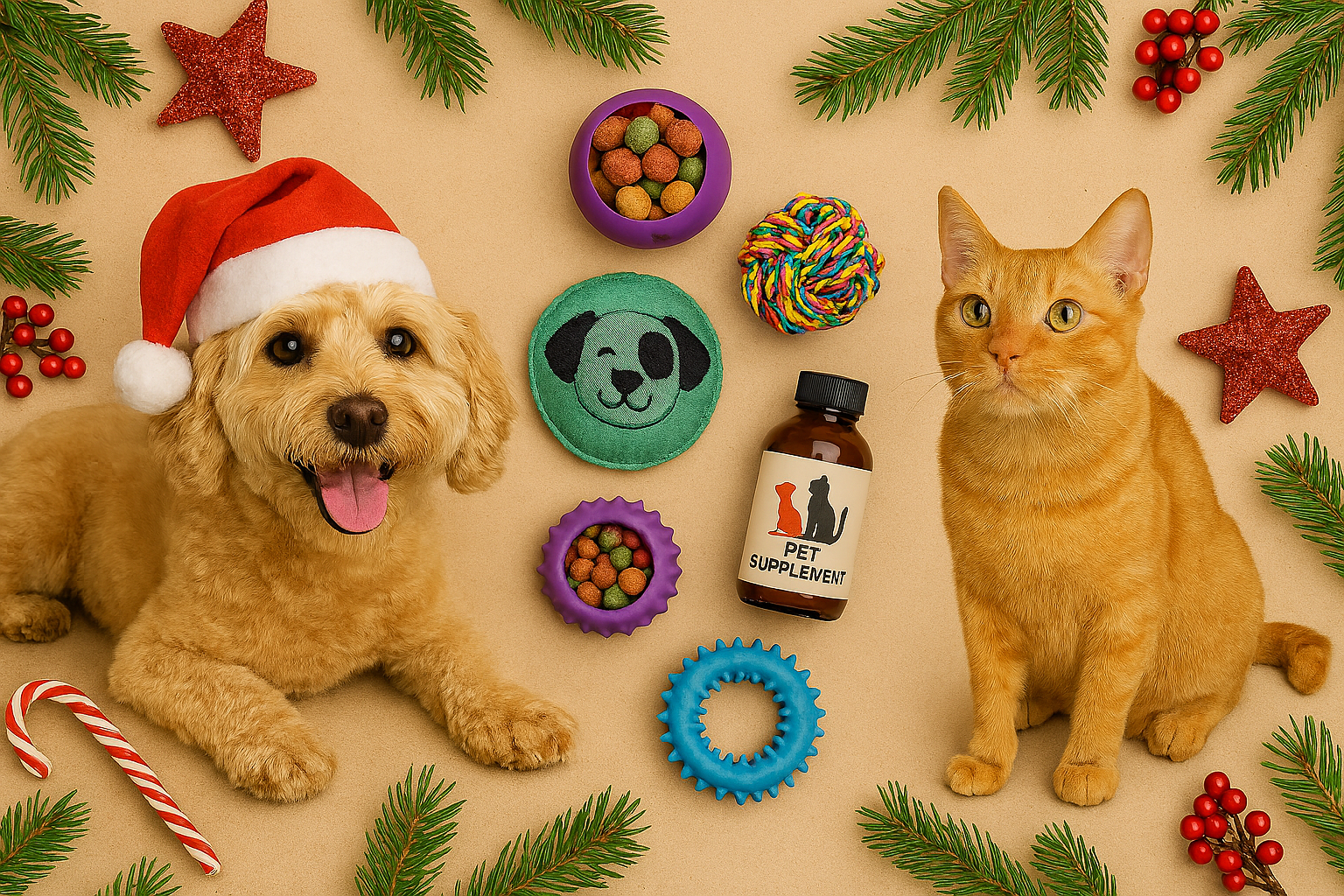
Holiday Shopping Guide: Health‑First Gifts for Pets
The holiday season is a time of warmth, celebration, and generosity — a moment when we gather with loved ones, exchange thoughtful gifts, and reflect on the year behind us. For millions of families, “loved ones” includes the furry, feathered, or scaly companions who share our homes, our routines, and our hearts. Pets aren’t just animals; they’re family members, emotional anchors, and daily sources of joy. So when the holidays roll around, it’s only natural to want to spoil them with gifts that feel meaningful.
But here’s the shift happening across the pet‑parent world: the best gifts aren’t just cute — they’re healthy.
Pet owners are increasingly prioritizing wellness, longevity, and preventive care. They’re looking for gifts that support digestion, immunity, mobility, mental stimulation, and emotional well‑being. They want products that are safe, science‑backed, and aligned with their pet’s unique needs.
This guide is designed to help pet parents shop with intention — choosing gifts that delight pets while supporting their long‑term health. Whether you’re shopping for your own companion or looking for the perfect present for a pet‑loving friend, this comprehensive holiday guide will help you make choices that are joyful, safe, and wellness‑forward.
The holiday season is a time of warmth, celebration, and generosity — a moment when we gather with loved ones, exchange thoughtful gifts, and reflect on the year behind us. For millions of families, “loved ones” includes the furry, feathered, or scaly companions who share our homes, our routines, and our hearts. Pets aren’t just animals; they’re family members, emotional anchors, and daily sources of joy. So when the holidays roll around, it’s only natural to want to spoil them with gifts that feel meaningful.
But here’s the shift happening across the pet‑parent world: the best gifts aren’t just cute — they’re healthy.
Pet owners are increasingly prioritizing wellness, longevity, and preventive care. They’re looking for gifts that support digestion, immunity, mobility, mental stimulation, and emotional well‑being. They want products that are safe, science‑backed, and aligned with their pet’s unique needs.
This guide is designed to help pet parents shop with intention — choosing gifts that delight pets while supporting their long‑term health. Whether you’re shopping for your own companion or looking for the perfect present for a pet‑loving friend, this comprehensive holiday guide will help you make choices that are joyful, safe, and wellness‑forward.
🎁 Why “Health‑First” Gifting Matters More Than Ever
The pet industry has exploded in recent years, with billions spent annually on toys, treats, accessories, and novelty items. But not all pet products are created equal. Many popular holiday gifts — from plush toys to festive treats — are poorly made, nutritionally empty, or even hazardous.
A health‑first approach ensures that every gift contributes to a pet’s:
Physical health (digestion, immunity, skin, coat, joints)
Mental stimulation (enrichment, problem‑solving, confidence building)
Emotional well‑being (comfort, bonding, stress reduction)
Safety (non‑toxic materials, appropriate sizing, durability)
This guide breaks down the best categories of health‑first gifts and offers curated recommendations for dogs, cats, and small animals.
🐾 SECTION 1: Health‑Boosting Treats & Supplements
“The Gift of Wellness in Every Bite”
Treats are the most common holiday gift for pets — but they’re also the most misunderstood. Many festive treats are loaded with fillers, dyes, sugar, and artificial preservatives. A health‑first treat should be:
High in protein
Low in unnecessary carbs
Free from artificial additives
Made with whole, recognizable ingredients
Designed to support a specific wellness function
Below are categories of treats and supplements that make excellent holiday gifts.
✅ 1. Functional Treats for Immunity
Immune‑supporting treats are especially valuable during winter, when pets face seasonal stressors like dry indoor air, reduced outdoor time, and exposure to holiday guests.
Look for ingredients such as:
Turkey tail mushroom
Reishi
Blueberries
Omega‑3s
Colostrum
Probiotics
These ingredients help support gut health, which is directly tied to immune function.
Example:
A‑Plus Naturals’ Immunity Blend for cats (1/3 scoop per serving regardless of weight) and dogs (dosage according to the weight of the pet) is a perfect stocking stuffer for families — simple dosing, clean ingredients, and science‑backed benefits.
✅ 2. Digestive Health Treats
Digestive wellness is foundational to overall health. Holiday stress, new foods, and schedule changes can disrupt a pet’s gut balance.
Look for:
Pumpkin
Ginger
Probiotics
Prebiotic fibers
Limited‑ingredient formulas
These treats help reduce bloating, gas, constipation, and diarrhea — common issues during the holiday season.
✅ 3. Skin & Coat Treats
Winter weather can wreak havoc on skin and coat health. Omega‑rich treats help:
Reduce shedding
Improve coat shine
Soothe dry skin
Support anti‑inflammatory pathways
Ingredients to look for:
Salmon oil
Flaxseed
Krill
Biotin
Vitamin E
These treats are especially helpful for breeds prone to dryness or allergies.
✅ 4. Joint & Mobility Treats
For senior pets or active breeds, joint‑support treats are a thoughtful and practical gift.
Key ingredients:
Glucosamine
Chondroitin
MSM
Turmeric
Green‑lipped mussel
These help maintain mobility, reduce inflammation, and support long‑term joint health.
✅ 5. Single‑Ingredient Treats
When in doubt, simplicity wins.
Great options include:
Freeze‑dried salmon
Freeze‑dried chicken
Beef liver
Sweet potato chips
Rabbit bites
These treats are minimally processed, nutrient‑dense, and ideal for pets with sensitivities.
🧠 SECTION 2: Enrichment Toys for Mental Health
“Because a stimulated mind is a healthy mind”
Mental stimulation is essential for preventing boredom, anxiety, and destructive behaviors. Enrichment toys are one of the most impactful health‑first gifts you can give.
✅ 1. Puzzle Feeders
Puzzle toys challenge pets to work for their food, which:
Slows down fast eaters
Reduces bloating
Builds confidence
Provides mental exercise
Mimics natural foraging behaviors
Choose difficulty levels based on your pet’s experience.
✅ 2. Snuffle Mats
Snuffle mats encourage scent‑based exploration, which is calming and enriching for both dogs and cats.
Benefits include:
Stress reduction
Mental stimulation
Slower eating
Natural foraging
They’re also machine‑washable, making them a practical holiday gift.
✅ 3. Lick Mats
Lick mats are excellent for:
Anxiety reduction
Grooming distraction
Slow feeding
Sensory enrichment
Spread with pumpkin, goat milk yogurt, or a pet‑safe purée for a soothing activity.
✅ 4. Interactive Laser & Motion Toys (for Cats)
Cats thrive on movement‑based play. Motion toys help:
Reduce stress
Prevent obesity
Encourage natural hunting behaviors
Improve agility
Choose rechargeable, quiet, and durable designs.
✅ 5. Chew Toys (for Dogs)
Chewing is a natural stress‑reliever and dental aid.
Look for:
Non‑toxic rubber
BPA‑free materials
Durable construction
Appropriate sizing
Avoid cheap plastics, which can splinter or contain harmful chemicals.
🦷 SECTION 3: Dental Health Gifts
“A healthy mouth is a healthy body”
Dental disease is one of the most common health issues in pets — and one of the most preventable. Holiday gifts that support oral hygiene are both practical and life‑extending.
✅ 1. Dental Chews
Choose chews that:
Are VOHC‑approved
Have ridges for mechanical cleaning
Are free from artificial dyes
Are appropriately sized
✅ 2. Water Additives
These help reduce plaque and freshen breath without brushing — ideal for pets who resist manual cleaning.
✅ 3. Finger Brushes & Toothpaste Kits
Look for:
Enzymatic toothpaste
Soft silicone brushes
Poultry or seafood flavors
This is a great stocking stuffer for new pet parents.
🛏️ SECTION 4: Comfort & Stress‑Relief Gifts
“Because emotional wellness matters too”
The holidays can be overwhelming for pets — new visitors, loud noises, travel, and schedule changes can trigger anxiety. Comfort‑focused gifts help pets feel secure and grounded.
✅ 1. Calming Beds
Orthopedic or donut‑style calming beds help:
Reduce anxiety
Support joints
Improve sleep quality
Choose washable covers and supportive foam.
✅ 2. Weighted Blankets (Pet‑Safe)
Weighted blankets mimic deep‑pressure therapy, helping pets relax during:
Fireworks
Holiday parties
Travel
Storms
Ensure the weight is appropriate for your pet’s size.
✅ 3. Calming Diffusers
Pheromone diffusers help reduce stress in multi‑pet households or during holiday gatherings.
✅ 4. Anti‑Anxiety Chews
Look for:
L‑theanine
Chamomile
Valerian root
Melatonin (vet‑approved)
These can help pets stay calm during holiday chaos.
🧼 SECTION 5: Grooming & Hygiene Gifts
“Wellness starts with clean, comfortable skin”
Grooming isn’t just cosmetic — it’s essential for skin health, comfort, and early detection of issues.
✅ 1. Natural Shampoos
Choose formulas that are:
Sulfate‑free
Paraben‑free
pH‑balanced
Made with soothing botanicals
Great ingredients include oatmeal, aloe, chamomile, and coconut‑derived cleansers.
✅ 2. Grooming Gloves
These are perfect for pets who dislike brushes. They help remove loose fur while providing a bonding experience.
✅ 3. Paw Balms
Winter weather can crack paw pads. A good paw balm:
Moisturizes
Protects
Heals
Prevents salt irritation
✅ 4. Nail Grinders
Safer and smoother than clippers, grinders help maintain healthy nail length and prevent joint strain.
🏡 SECTION 6: Lifestyle Gifts for Daily Wellness
“Small upgrades that make a big difference”
These gifts support long‑term health through daily routines.
✅ 1. Elevated Bowls
These help reduce neck strain and improve digestion, especially for senior pets.
✅ 2. Slow Feeders
Slow feeders prevent:
Bloating
Vomiting
Obesity
Overeating
They also provide mental stimulation.
✅ 3. Water Fountains
Pets drink more when water is moving. Hydration supports:
Kidney health
Digestion
Skin and coat
Temperature regulation
✅ 4. Orthopedic Beds
Great for seniors, large breeds, or pets with arthritis.
Look for:
Memory foam
Washable covers
Non‑slip bottoms
🎅 SECTION 7: DIY Health‑First Gifts
“Thoughtful, affordable, and made with love”
Homemade gifts can be just as impactful as store‑bought ones.
✅ 1. DIY Frozen Treats
Blend:
Pumpkin
Goat milk
Blueberries
A scoop of a functional supplement
Freeze in silicone molds for a festive, healthy treat.
✅ 2. Homemade Snuffle Toys
Use fleece strips and a rubber mat to create a custom snuffle mat.
✅ 3. Personalized Treat Jars
Fill with single‑ingredient treats or homemade biscuits.
🎄 SECTION 8: Holiday Safety Tips
“Because the best gift is a safe celebration”
Even the healthiest gifts can’t protect pets from holiday hazards unless pet parents stay vigilant.
✅ 1. Avoid Toxic Foods
Keep pets away from:
Chocolate
Grapes & raisins
Xylitol
Onions & garlic
Alcohol
Cooked bones
✅ 2. Secure Decorations
Tinsel, ornaments, and electrical cords can be dangerous.
✅ 3. Manage Stress
Provide quiet spaces during gatherings.
✅ 4. Monitor New Toys
Always supervise play with new items.
🎁 SECTION 9: Curated Gift Lists by Pet Type
“Tailored recommendations for dogs, cats, and small animals”
🐶 Best Health‑First Gifts for Dogs
Joint chews
Snuffle mats
Durable chew toys
Calming beds
Natural grooming products
Slow feeders
Water fountains
🐱 Best Health‑First Gifts for Cats
Motion toys
Lick mats
Freeze‑dried treats
Water fountains
Window perches
Calming diffusers
Grooming gloves
🐹 Best Health‑First Gifts for Small Animals
Foraging toys
Timothy hay‑based treats
Chew‑safe wooden toys
Hideouts
Enrichment tunnels
🌟 Final Thoughts: The Heart of Health‑First Gifting
A health‑first holiday gift isn’t just a product — it’s a gesture of love, care, and intention. It says:
“I want you to live a long, joyful, comfortable life.”
Pets give us unconditional love all year long. The holidays are a beautiful opportunity to give something meaningful back — something that supports their wellness, enriches their days, and strengthens the bond you share.
Whether you choose a functional treat, an enrichment toy, a calming bed, or a grooming essential, your pet will feel the love behind it. And that’s the true magic of the season.
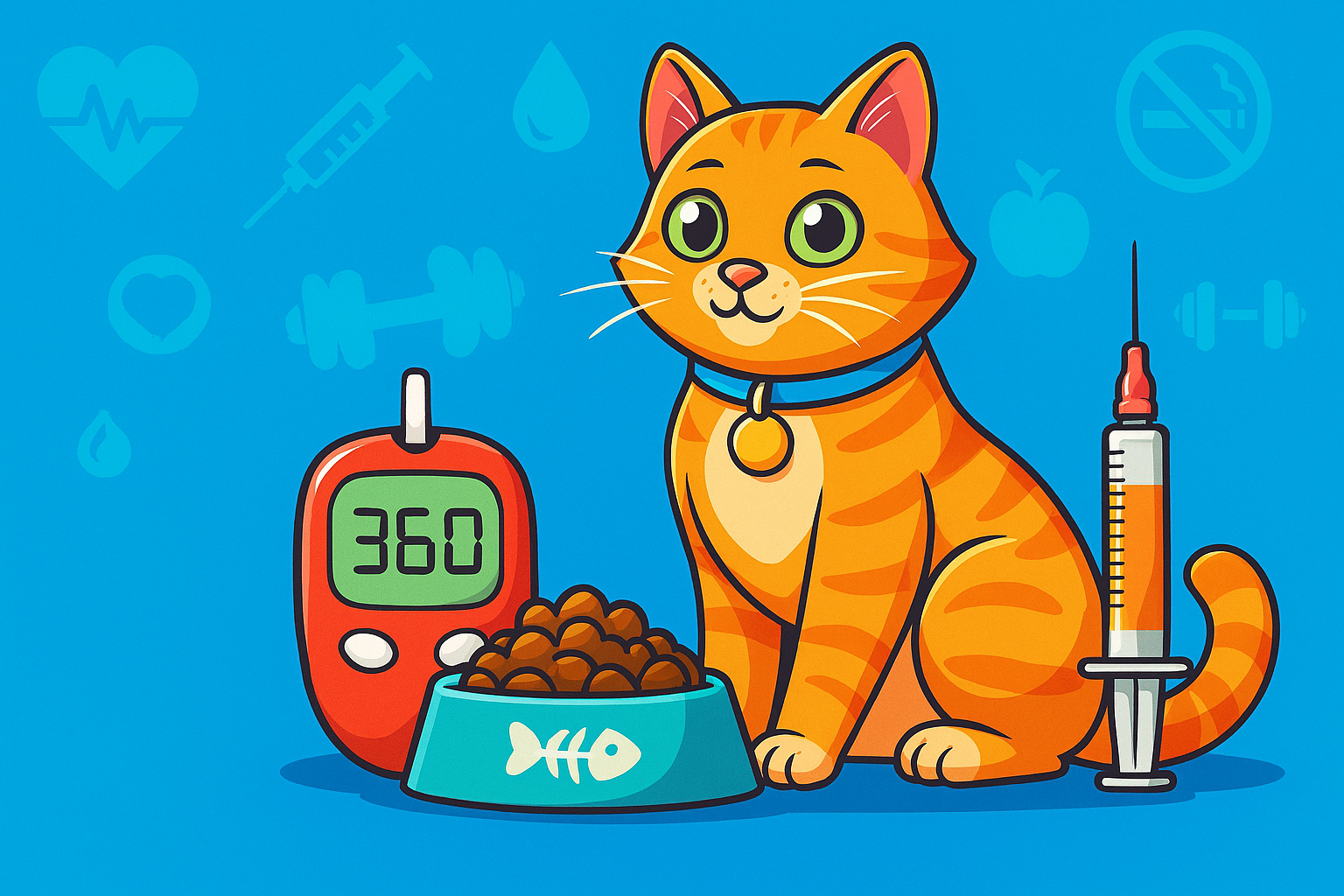
Diabetes in Cats: A Complete Guide for Everyday Pet Parents
Cats are mysterious, graceful, and endlessly entertaining companions. They curl up beside us, chase shadows across the floor, and demand affection on their own terms. But sometimes, their bodies face challenges that even the most attentive owner can’t predict. One of those challenges is diabetes mellitus, a condition that, while serious, is far from hopeless.
This article is written for everyday cat owners. No medical jargon, no intimidating science—just clear explanations, practical advice, and real-world stories. By the end, you’ll understand what feline diabetes is, how to spot it, how to manage it, and how to keep your cat thriving.
Cats are mysterious, graceful, and endlessly entertaining companions. They curl up beside us, chase shadows across the floor, and demand affection on their own terms. But sometimes, their bodies face challenges that even the most attentive owner can’t predict. One of those challenges is diabetes mellitus, a condition that, while serious, is far from hopeless.
This article is written for everyday cat owners. No medical jargon, no intimidating science—just clear explanations, practical advice, and real-world stories. By the end, you’ll understand what feline diabetes is, how to spot it, how to manage it, and how to keep your cat thriving.
Understanding Diabetes in Cats
Diabetes mellitus is a condition where the body struggles to regulate blood sugar (glucose). Normally, the pancreas produces a hormone called insulin, which acts like a key. Insulin unlocks the doors of cells so sugar from the bloodstream can enter and be used for energy.
In diabetic cats, either:
The pancreas doesn’t make enough insulin, or
The body doesn’t respond properly to insulin (insulin resistance).
Think of it this way: sugar is like groceries waiting outside your house. Insulin is the key to unlock the door. In diabetes, the key is missing or the lock is jammed, so the groceries pile up outside (in the blood) instead of being used inside (by the cells).
How Common Is It?
Diabetes affects about 1 in 100 cats during their lifetime. It’s most common in middle-aged to older cats, and male cats seem slightly more prone. The biggest risk factor is obesity—overweight cats are up to four times more likely to develop diabetes.
Case Story: Milo, a 10-year-old tabby, loved lounging and treats. His weight crept up over the years. One day, his owner noticed Milo was draining the water bowl daily and urinating more often. A vet visit confirmed diabetes. Milo’s story is common—and preventable.
Signs to Watch For
The “classic four” symptoms are:
Increased thirst (you refill the water bowl constantly).
Frequent urination (litter box floods or accidents outside).
Weight loss despite eating well.
Increased appetite (always hungry).
Other possible signs include poor coat quality, lethargy, hind leg weakness (walking flat-footed), and vomiting in severe cases.
Tip: Keep a notebook of daily observations. Small changes—like scooping the litter box more often—can be early clues.
Why Does It Happen?
Several factors contribute:
Obesity: Fat cells interfere with insulin.
Age: Older cats are more vulnerable.
Steroid medications: Long-term use can trigger diabetes.
Breed: Burmese cats have higher risk in some regions.
Diagnosis
Your vet will:
Test blood sugar and urine sugar.
Run a fructosamine test (average sugar over 2 weeks).
Rule out other conditions like kidney disease or thyroid problems.
Owner’s Role: Share detailed notes about appetite, thirst, and litter habits. Vets rely on your observations.
Treatment Options
Insulin Injections
Most cats need insulin twice daily. Tiny needles make it painless, and owners can learn to give injections at home.
Step-by-Step Guide:
Draw insulin into syringe.
Lift skin between shoulder blades.
Insert needle quickly.
Push plunger gently.
Praise your cat!
Diet Changes
Low-carb, high-protein diets help regulate sugar. Wet food is usually better than dry. Weight loss is critical for overweight cats.
Oral Medications
New drugs (like SGLT2 inhibitors) are available for some cats. Not suitable for all, but promising.
Living With a Diabetic Cat
Routine is key: feed and inject insulin at consistent times.
Monitoring at Home:
Blood sugar with a glucometer (ear prick).
Track water intake, appetite, and weight.
Watch for Hypoglycemia (low sugar):
Signs: wobbling, weakness, seizures.
Emergency: rub honey on gums and call vet.
Lifestyle Tip: Turn monitoring into bonding. Cats often tolerate ear pricks better if followed by cuddles or play.
Prognosis
With proper care, cats can live long, happy lives. Some cats even go into remission (no longer need insulin). Untreated diabetes is fatal, so early action matters.
Costs & Commitment
Insulin: $25–$100/month.
Special food: $25–$60/month.
Vet visits: variable.
Emotional commitment: daily injections, monitoring, lifestyle changes.
Think of it like caring for a child with a chronic condition. It’s work, but the rewards—love, companionship—are priceless.
Owner FAQs
Q: Can my cat go into remission?
Yes, especially if diagnosed early and managed well.
Q: Is dry food okay?
Usually not—most dry foods are too high in carbs.
Q: What if I miss a dose?
Don’t double up. Resume normal schedule and call your vet if unsure.
Q: Can I travel with a diabetic cat?
Yes, but plan ahead: carry insulin, syringes, and food.
Prevention Tips
Keep cats at a healthy weight.
Feed balanced, low-carb diets.
Encourage daily play and exercise.
Avoid unnecessary steroid use.
Emotional Side of Care
Caring for a diabetic cat can feel overwhelming at first. But most owners find it becomes routine quickly. The bond often deepens—you become more attentive, more connected.
Story Example: Luna’s owner dreaded injections. But after a week, Luna barely noticed, and the owner felt proud of mastering a skill that saved her cat’s life.
Daily Routine Example
Morning:
Feed breakfast.
Give insulin injection.
Quick play session.
Afternoon:
Monitor water intake.
Note appetite.
Evening:
Feed dinner.
Give insulin injection.
Grooming or cuddle time.
Myth vs. Fact
Myth: Diabetes only happens in old cats.
Fact: It can happen at any age, though older cats are more prone.
Myth: Insulin injections are painful.
Fact: Needles are tiny; most cats barely notice.
Myth: Diabetic cats can’t live long lives.
Fact: With care, they can thrive for years.
Holiday edition – caring through the festive season
The holidays are a time of joy, family, and celebration. For cat owners, it’s also a season filled with tempting treats, busy schedules, and cozy traditions. But if your cat has diabetes, the festive season brings unique challenges. Between holiday meals, decorations, and travel, it’s easy to overlook routines—and routine is exactly what a diabetic cat needs most.
This guide explains feline diabetes in plain language, while weaving in holiday‑specific tips to keep your cat safe, healthy, and included in the celebrations.
Holiday Hazards for Diabetic Cats
Festive foods: Turkey skin, gravy, and sugary desserts are dangerous for diabetic cats.
Visitors and noise: Stress can affect appetite and blood sugar.
Travel disruptions: Missed insulin doses or irregular feeding can destabilize diabetes management.
Decorations: Tinsel, ribbons, and candles add risk if cats chew or play unsafely.
Seasonal Care Tips
Stick to Routine
Even during holidays, keep insulin injections and meals at the same times. If dinner is delayed for humans, feed your cat on schedule.
Safe Festive Treats
Instead of sharing human food, prepare cat‑friendly holiday snacks:
Small pieces of plain cooked chicken or turkey breast.
Freeze‑dried meat treats with no carbs.
Special diabetic‑safe pet treats from trusted brands.
Holiday Exercise
Encourage play with festive toys:
Crinkle balls wrapped in holiday colors.
Catnip mice shaped like snowmen.
Interactive laser games to burn calories after big family meals.
Stress Reduction
Create a quiet “holiday retreat” room with:
Litter box, food, and water.
Soft bedding.
A safe space away from noisy guests.
Case Story: Snowball’s Holiday Miracle
Snowball, a 9‑year‑old diabetic cat, lived with a family who loved big Christmas dinners. At first, Snowball begged at the table, and guests slipped him scraps. His blood sugar spiked dangerously. After learning more, the family created a “Snowball‑safe holiday plan”: no scraps, scheduled insulin, and festive cat toys under the tree. Snowball thrived—and even went into remission by spring.
Holiday Travel With a Diabetic Cat
If you’re visiting relatives:
Pack insulin, syringes, food, and glucometer in a cooler bag.
Call ahead to ensure fridge space for insulin.
Keep a written schedule of doses and feeding times.
If boarding, choose facilities experienced with diabetic pets.
Festive Myth vs. Fact
Myth: “It’s okay to give cats holiday leftovers.”
Fact: Human food can destabilize blood sugar and cause pancreatitis.
Myth: “Traveling means I can skip a dose.”
Fact: Missing insulin can be life‑threatening. Always plan ahead.
Emotional Side of Holiday Care
It’s easy to feel guilty when your cat can’t share in the feast. But remember: keeping them safe is the greatest gift. Many owners find joy in creating holiday traditions tailored to their diabetic cats—special toys, safe treats, and extra cuddle time by the tree.
Conclusion
Diabetes in cats is manageable year‑round, but the holidays require extra vigilance. By sticking to routines, avoiding festive food hazards, and creating safe, joyful traditions, you can ensure your cat enjoys the season right alongside you.

From Space to Snuggles: The Friendly Bacterium Behind Astronaut Medicine and Pet Immunity
Introduction: One Tiny Bacterium, Two Big Frontiers
Picture this: astronauts on a mission to Mars, millions of miles from Earth, facing bone loss, radiation damage, and immune suppression. They can’t just call a pharmacy or wait for a resupply. Meanwhile, back on Earth, pet owners worry about their cats and dogs—aging, stressed, or exposed to environmental challenges—needing immune support.
Surprisingly, the same solution could serve both astronauts and pets: a humble soil bacterium called Bacillus subtilis. In space, scientists are engineering it to brew medicines on demand. On Earth, companies like A‑Plus Naturals are harnessing its probiotic power in supplements like the Immunity Blend for cats and dogs, giving pets a safe, science‑backed boost.
This blog explores how Bacillus subtilis is becoming a bridge between futuristic space medicine and everyday pet wellness. We’ll dive into the science, the vision, and the practical applications—keeping the language simple, the analogies vivid, and the story engaging.
Introduction: One Tiny Bacterium, Two Big Frontiers
Picture this: astronauts on a mission to Mars, millions of miles from Earth, facing bone loss, radiation damage, and immune suppression. They can’t just call a pharmacy or wait for a resupply. Meanwhile, back on Earth, pet owners worry about their cats and dogs—aging, stressed, or exposed to environmental challenges—needing immune support.
Surprisingly, the same solution could serve both astronauts and pets: a humble soil bacterium called Bacillus subtilis. In space, scientists are engineering it to brew medicines on demand. On Earth, companies like A‑Plus Naturals are harnessing its probiotic power in supplements like the Immunity Blend for cats and dogs, giving pets a safe, science‑backed boost.
This blog explores how Bacillus subtilis is becoming a bridge between futuristic space medicine and everyday pet wellness. We’ll dive into the science, the vision, and the practical applications—keeping the language simple, the analogies vivid, and the story engaging.
Part 1: Meet Bacillus subtilis, the Friendly Microbe
Most bacteria are seen as villains. But Bacillus subtilis is a hero. Found in soil and plants, it’s safe, versatile, and incredibly resilient.
Spore power: When stressed, it forms spores—tiny survival capsules that can last for years, resisting heat, radiation, and dryness.
Lab darling: Scientists love it because it’s easy to engineer and secretes proteins outside its cells, simplifying purification.
Daily helper: It’s already used in food fermentation, probiotics, and supplements.
Think of Bacillus subtilis as a rugged worker that thrives under tough conditions. In space, it can brew medicines. In your pet’s gut, it can support immunity and digestion.
Part 2: The Problem of Medicines in Space
Astronauts face unique health risks:
Bone loss: Microgravity weakens bones, similar to osteoporosis.
Radiation damage: Cosmic rays harm bone marrow, lowering white blood cell counts.
Immune suppression: Stress and isolation weaken defenses.
Drugs like teriparatide (for bone growth) and filgrastim (for immune recovery) are essential. But here’s the catch: most medicines degrade within 6–12 months. For a Mars mission lasting 2–3 years, that’s unacceptable.
Carrying fragile drugs isn’t feasible. That’s why scientists are exploring “on‑demand” production—making medicines fresh when needed.
Part 3: The Breakthrough—Engineering Bacillus subtilis for Space Medicine
Researchers led by Alec Vallota‑Eastman and colleagues engineered Bacillus subtilis to produce pharmaceutical peptides:
Teriparatide: Stimulates bone growth. One dose produced in 24 hours from just 2 mL of culture.
Filgrastim: Boosts white blood cell recovery. One dose produced in 24 hours from 52 mL of culture.
Spores can be stored for years, then activated to brew fresh doses. Instead of carrying fragile drugs, astronauts could carry lightweight spores—stable, durable, and ready to produce medicine on demand.
This is the foundation of the Astropharmacy: a compact system where astronauts brew medicines like they’d brew coffee.
Part 4: The Astropharmacy Concept
The Astropharmacy envisions a small bioreactor aboard spacecraft:
Drug synthesis – spores grow and produce peptides.
Purification – separating medicine from culture.
Testing – ensuring safety and potency.
Administration – delivering the dose.
Low‑mass, low‑power, and user‑friendly, it’s designed for long missions. Imagine astronauts adding spores, nutrients, and water. Within a day, they have a fresh dose of medicine.
Part 5: Brewing Medicine Like Beer
To make this relatable, think of brewing beer. You start with yeast, add nutrients, and let it ferment. The yeast produces alcohol.
In the Astropharmacy, astronauts start with Bacillus subtilis spores, add nutrients, and let them grow. Instead of alcohol, the bacteria produce medicine. It’s like home‑brewing pharmaceuticals in space.
Part 6: Challenges Ahead
Several hurdles remain:
Scaling production: Current yields are proof‑of‑concept. More optimization is needed.
Purification systems: Must be compact and automated.
Crew training: Astronauts need simple, user‑friendly systems.
Regulatory approval: Medicines produced in space must meet safety standards.
But the foundation is solid. The proof‑of‑concept shows it’s possible. Now it’s about refining the system.
Part 7: Earth Applications—From Remote Areas to Pet Wellness
While designed for space, the Astropharmacy has huge potential on Earth:
Remote areas: War zones, submarines, rural communities.
Personalized medicine: Producing rare drugs affordably.
Rapid response: In pandemics or disasters.
And here’s where pets come in. A‑Plus Naturals Immunity Blend for cats and dogs already uses Bacillus subtilis spores to support health.
Cats: 1/3 scoop supports digestion and immunity.
Dogs: Tailored dosing helps resilience against stress and aging.
Owners: Gain peace of mind knowing their pets benefit from the same science that could one day protect astronauts.
It’s the same principle: durable spores, activated when needed, delivering benefits reliably.
Part 8: Parallels Between Astronauts and Pets
Astronauts lose bone density in microgravity. Pets face inflammation and immune challenges. Both need resilience.
Astronauts: Brew teriparatide and filgrastim in space.
Pets: Receive Bacillus subtilis spores in Immunity Blend, activating in the gut to support immunity.
Different settings, same microbe, same resilience.
Part 9: Storytelling—From Mars Missions to Living Rooms
Imagine an astronaut on Mars, activating spores to brew medicine after radiation exposure. Now imagine a pet owner in the USA, scooping Immunity Blend into their dog’s food to support immunity during winter.
Both scenarios show the versatility of Bacillus subtilis. From soil to stars, from spacecraft to kitchens, this microbe is quietly safeguarding health.
Part 10: Future Vision
Looking ahead:
Space: Self‑sufficient healthcare for Mars missions.
Earth: Portable bioreactors in disaster zones.
Pets: Wider adoption of probiotic supplements like Immunity Blend.
It’s a vision of resilience, sustainability, and innovation.
Conclusion: One Microbe, Many Missions
From brewing medicines in spacecraft to boosting immunity in cats and dogs, Bacillus subtilis is proving to be a versatile ally. The Astropharmacy may one day safeguard astronauts on Mars. Today, A‑Plus Naturals Immunity Blend safeguards pets at home.
It’s a reminder that science isn’t just about distant futures—it’s about practical solutions we can use right now. Whether you’re exploring the stars or caring for your furry companions, this humble bacterium is working quietly to keep life healthier, stronger, and more resilient.
Sources:
Vallota‑Eastman, A., Bui, C., Williams, P. M., Valentine, D. L., Loftus, D., & Rothschild, L. (2023). Bacillus subtilis engineered for aerospace medicine: a platform for on‑demand production of pharmaceutical peptides. Frontiers in Space Technologies.
NASA Technical Reports Server
Takara Bio Blog
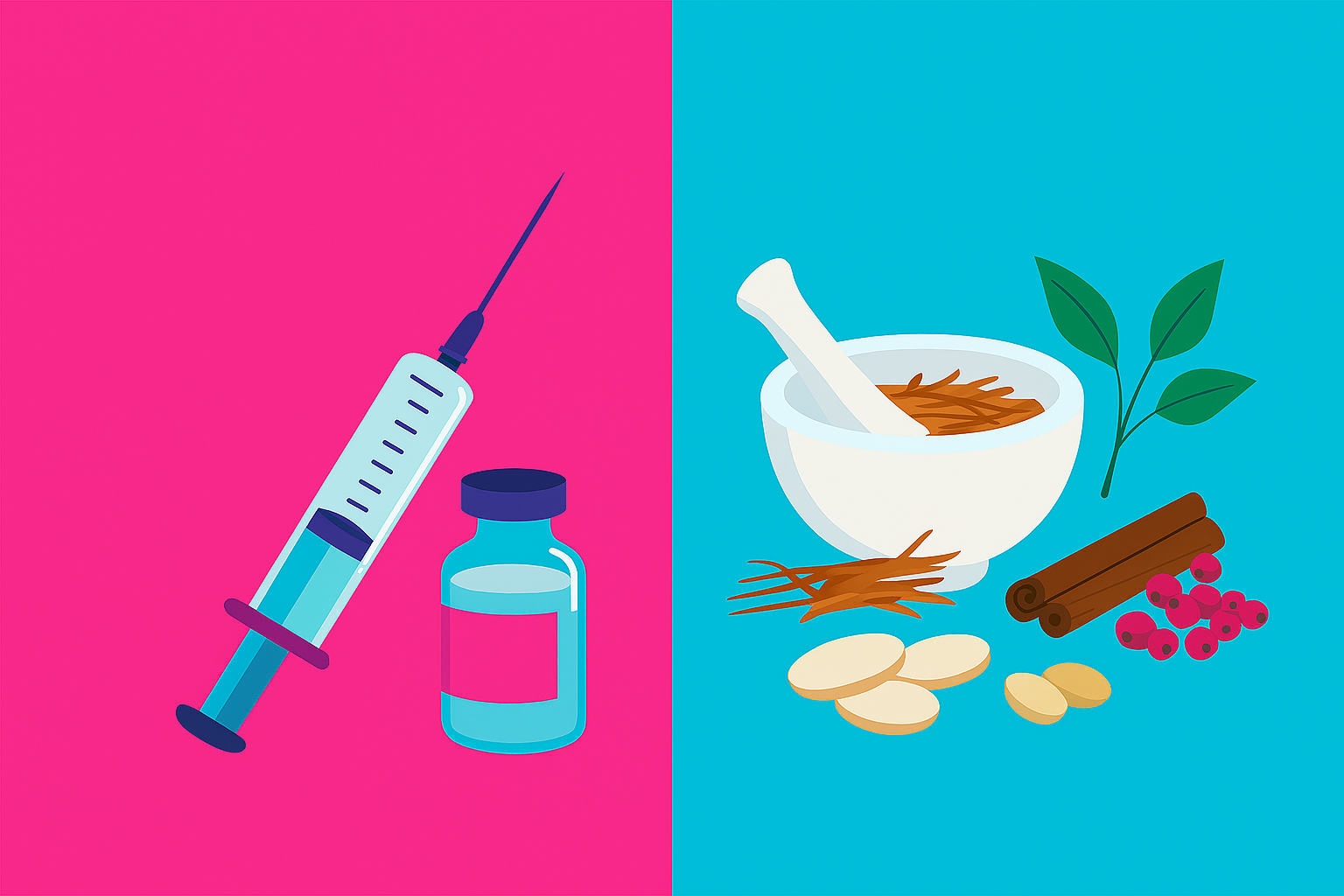
Beyond the Scratch: Comparing Natural and Traditional Dog Allergy Treatments
If you’ve ever watched your beloved dog scratch relentlessly, lick their paws raw, or suffer from constant ear infections, you know how heartbreaking canine allergies can be. As a pet parent, you want relief for your furry friend—but you might also worry about the side effects of conventional medications. A groundbreaking 2025 study offers hope, showing that natural treatments might be just as effective as traditional drugs for managing dog allergies.
If you’ve ever watched your beloved dog scratch relentlessly, lick their paws raw, or suffer from constant ear infections, you know how heartbreaking canine allergies can be. As a pet parent, you want relief for your furry friend—but you might also worry about the side effects of conventional medications. A groundbreaking 2025 study offers hope, showing that natural treatments might be just as effective as traditional drugs for managing dog allergies.
Understanding Your Dog’s Allergy Struggle
Before diving into treatment options, let’s understand what’s happening when your dog has allergies. Think of allergies as your dog’s immune system overreacting to normally harmless substances—like a security guard who sounds the alarm for every delivery truck instead of just actual threats.
What Triggers Dog Allergies?
The most common culprits include [1]: - Food proteins: Beef, chicken, pork, and dairy products top the list - Environmental allergens: Pollen, dust mites, and mold - Parasites: Fleas and other external parasites
Recognizing the Signs
Your dog can’t tell you they’re suffering, but their body language speaks volumes. Watch for:
🔍 Key Symptoms to Monitor: - Intense scratching, especially around ears, paws, face, and belly - Red, inflamed skin with possible pustules or scabs - Excessive paw licking or chewing - Chronic ear infections with discharge - Digestive issues like vomiting or diarrhea (in 20-30% of cases)
Important Note: Unlike seasonal human allergies, food allergies in dogs typically cause year-round symptoms that don’t respond to antihistamines.
The Study That’s Changing Everything
Researchers at the University of Veterinary Medicine and Pharmacy in Slovakia conducted a fascinating comparison study that pet owners everywhere should know about [2]. They divided 14 dogs with confirmed food allergies into two groups and tracked their progress over several months.
The Two Approaches Tested
Group 1: Natural Treatment Approach - Acupuncture sessions targeting specific points for inflammation and itching - Herbal therapy using plants like milk thistle and turmeric - Customized nutrition based on Traditional Chinese Medicine principles
Group 2: Conventional Treatment Approach - Prescription medications (Apoquel, Cytopoint) - Antibiotics for secondary infections - Corticosteroids for inflammation - Standard hypoallergenic diet
The Surprising Results
Here’s where it gets exciting for pet parents seeking alternatives: both treatment approaches showed significant improvement in the dogs’ conditions.
What the Blood Tests Revealed
The researchers didn’t just rely on visual observations—they conducted comprehensive blood work before and after treatment. The results were remarkable:
Natural Treatment Group: - Eosinophil levels (allergy indicators) normalized in all dogs - Liver enzyme levels improved significantly - No adverse side effects reported
Conventional Treatment Group: - Similar improvement in allergy markers - Some dogs showed elevated liver enzymes after treatment - Typical medication side effects observed
Real-World Improvements
The study documented specific improvements in each dog:
Natural Treatment Results
Outcome
Dogs 1, 2, 6, 7
Complete elimination of symptoms
Dogs 3, 5
Significant reduction in itching
Dog 4
Resolved skin inflammation, improved paw condition
What This Means for Your Dog
The Natural Approach Advantage
The study suggests several benefits of the natural treatment approach [2]:
1. Holistic Healing: Instead of just suppressing symptoms, natural treatments address underlying imbalances
2. Fewer Side Effects: No reported adverse reactions in the natural treatment group
3. Long-term Benefits: Improved overall health markers beyond just allergy symptoms
Understanding Traditional Chinese Veterinary Medicine
The natural approach used in this study wasn’t random—it was based on thousands of years of Traditional Chinese Medicine principles adapted for animals:
• Acupuncture Points: Specific locations like LI-11 (for swelling and itching) and ST-36 (for overall health)
• Herbal Medicine: Carefully selected plants with anti-inflammatory and immune-supporting properties
• Nutritional Therapy: Foods chosen based on their energetic properties to restore balance
Practical Guidance for Pet Parents
When to Consider Natural Treatments
Natural approaches might be particularly beneficial if your dog: - Has experienced side effects from conventional medications - Suffers from chronic, recurring allergies - Has multiple health issues that could benefit from holistic care - Hasn’t responded well to traditional treatments
Important Safety Considerations
⚠️ Critical Reminders: - Never discontinue prescribed medications without veterinary guidance - Natural doesn’t automatically mean safe—proper dosing and quality matter - Some dogs may need emergency conventional treatment for severe reactions - Always work with qualified practitioners trained in veterinary acupuncture and herbal medicine
Finding the Right Practitioner
Look for veterinarians who are: - Licensed in veterinary medicine - Certified in veterinary acupuncture (through organizations like Chi University) - Experienced in Traditional Chinese Veterinary Medicine - Willing to work collaboratively with your regular vet
The Bigger Picture: Integrative Care
This study doesn’t suggest abandoning conventional medicine—rather, it opens the door to integrative approaches that combine the best of both worlds.
What Integrative Care Looks Like
• Acute situations: Conventional medications for immediate relief
• Long-term management: Natural therapies to address root causes
• Preventive care: Lifestyle and dietary modifications
• Monitoring: Regular check-ups with both conventional and holistic practitioners
Taking Action: Your Next Steps
Immediate Steps You Can Take
1. Document symptoms: Keep a detailed log of your dog’s allergy symptoms, triggers, and patterns
2. Discuss options: Talk with your veterinarian about both conventional and alternative approaches
3. Research practitioners: Look for qualified integrative veterinarians in your area
4. Consider diet: Work with your vet to identify and eliminate potential food allergens
Questions to Ask Your Veterinarian
• “What are the long-term effects of the medications you’re recommending?”
• “Are there any natural approaches that might complement conventional treatment?”
• “Can you refer me to a qualified veterinary acupuncturist?”
• “What dietary changes might help my dog’s condition?”
Hope on the Horizon
The Slovak study represents a growing body of research showing that natural treatments can be effective alternatives or complements to conventional allergy medications. For pet parents who’ve watched their dogs struggle with chronic allergies—and worried about medication side effects—this research offers genuine hope.
The Bottom Line
Your dog’s allergies don’t have to be a life sentence of constant medication and side effects. While conventional treatments remain important tools, natural approaches like acupuncture and herbal therapy show real promise for providing relief while supporting overall health.
The key is finding the right approach for your individual dog, working with qualified practitioners, and maintaining open communication with your veterinary team. With patience and the right care plan, your itchy, uncomfortable dog can find relief and return to the happy, playful companion you know and love.
Remember: every dog is unique, and what works for one may not work for another. The most important thing is to work closely with qualified professionals who can guide you toward the safest, most effective treatment plan for your furry family member.
References
[1] American Kennel Club. (2024). Everything You Need to Know About Dog Food Allergies. https://www.akc.org/expert-advice/nutrition/dog-food-allergies/
[2] Micháľová, A., Takáčová, M., Karasová, M., Kunay, L., Grelová, S., & Fialkovičová, M. (2022). Comparative Study of Classical and Alternative Therapy in Dogs with Allergies. Animals, 12(14), 1832. https://www.mdpi.com/2076-2615/12/14/1832

Turmeric’s Healing Secrets for Cats and Dogs: A Friendly Guide to How It Works
Discover the golden healing power of turmeric for your furry friends! From fighting inflammation to boosting immunity, learn how this ancient spice supports joint health, digestion, and overall wellness in cats and dogs. Perfect for pet parents seeking natural, science-backed solutions. Dive into our friendly guide and see why turmeric is a must-have in pet care.
Turmeric isn’t just a golden spice—it’s a golden opportunity for pet wellness. In this blog post, we’ll explore how turmeric works inside the body (its "mechanism of action" or MOA), why it matters for cats and dogs, and how it supports everything from joint comfort to immune strength. We’ll keep it simple, science-backed, and pet-parent friendly—with a subtle nod to how blends like A-Plus Naturals Immunity Blend harness turmeric’s power.
🌿 What Is Turmeric?
Turmeric is a bright yellow root from the Curcuma longa plant. It’s been used for centuries in cooking and traditional medicine. The magic lies in its active compound: curcumin.
Curcumin is what gives turmeric its color—and its healing power. It’s a natural anti-inflammatory, antioxidant, and immune booster. But how does it actually work?
🧬 Turmeric’s Mechanism of Action (MOA): What Happens Inside the Body
Let’s break it down into simple steps:
1. Fighting Inflammation at the Source
Inflammation is the body’s way of responding to injury or infection. But chronic inflammation can cause joint pain, digestive issues, and even immune dysfunction.
Curcumin blocks inflammatory signals like NF-kB and COX-2 enzymes. These are like fire alarms that keep ringing even when the fire is out.
By calming these signals, turmeric helps reduce swelling and pain—especially in pets with arthritis or allergies.
2. Neutralizing Free Radicals
Free radicals are unstable molecules that damage cells. They’re linked to aging, cancer, and chronic disease.
Curcumin acts as an antioxidant, neutralizing these radicals before they cause harm.
This helps protect organs like the liver and kidneys, which are vital for detoxing the body.
3. Boosting the Immune System
Turmeric helps the immune system stay balanced—not too aggressive, not too weak.
It stimulates white blood cells and enhances antibody responses, making pets more resilient to infections.
4. Supporting Digestive Health
Turmeric stimulates bile production, which helps break down fats and improve digestion.
It also soothes the gut lining, reducing symptoms of bloating or diarrhea.
5. Helping with Blood Sugar and Liver Function
Curcumin improves insulin sensitivity and reduces blood sugar spikes.
It protects liver cells from toxins and supports enzyme function.
🐾 Why This Matters for Cats and Dogs
Turmeric’s MOA translates into real benefits for pets:
🐶 Dogs
Joint support: Older dogs with arthritis feel more mobile.
Skin health: Reduces itching and inflammation.
Digestive ease: Helps with sensitive stomachs.
🐱 Cats
Immune balance: Supports cats prone to respiratory issues.
Liver protection: Especially helpful for aging cats.
Gentle detox: Aids in clearing out environmental toxins.
🧪 How Turmeric Is Absorbed: Bioavailability Tips
Turmeric is powerful—but it’s not easily absorbed on its own. That’s why smart formulations matter.
Fat-soluble: Curcumin absorbs better with healthy fats.
Pepper boost: Piperine (from black pepper) increases absorption by up to 2000%.
Lecithin and oils: Help turmeric stay active longer in the body.
🍽️ How Pet Products Use Turmeric
Turmeric is used in:
Treats and chews
Powders and pastes
Supplements and blends
A-Plus Naturals Immunity Blend includes turmeric as part of a thoughtful formula designed to support immune and gut health in cats and dogs. It’s paired with other ingredients that enhance absorption and target inflammation gently—making it ideal for daily wellness.
⚠️ Safety and Dosage
Turmeric is generally safe, but moderation is key:
Cats: 1/3 scoop (as used in A-Plus Naturals Immunity Blend)
Dogs: Varies by weight—typically 50–100 mg per 10 lbs.
Always introduce turmeric slowly and with food. Watch for signs of stomach upset or allergies.
🧡 Final Thoughts: Golden Spice, Golden Health
Turmeric’s mechanism of action is like a symphony—calming inflammation, boosting immunity, protecting organs, and supporting digestion. For pet parents, it’s a natural way to help cats and dogs thrive.
Whether you’re sprinkling turmeric into meals or using a blend like A-Plus Naturals Immunity Blend, you’re tapping into centuries of wisdom and modern science. And your pets? They’re getting the golden treatment.
#TurmericForPets
#PetWellness
#NaturalPetCare
#HealthyPets
#PetHealthTips
#DogHealth
#CatHealth
#PetImmunity
#HolisticPetCare
#PetSupplements
#CurcuminBenefits
#PetNutrition
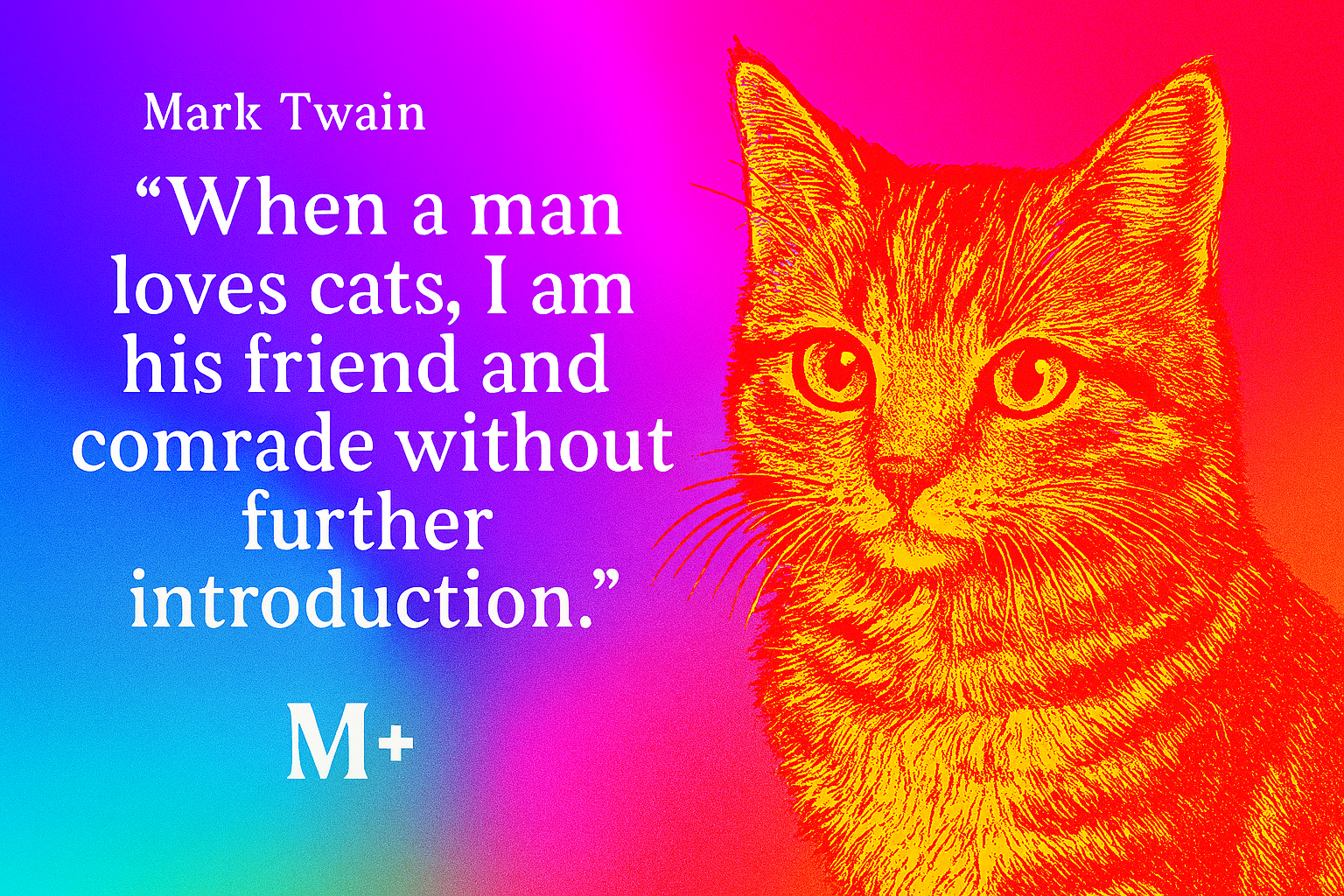
Purrs and Prose: Mark Twain’s Birthday with A Plus Pets
Mark Twain may be remembered as America’s greatest humorist, but he was also one of history’s most devoted cat lovers. On his birthday, we celebrate not only his wit and wisdom but also his lifelong affection for felines — from the 19 cats that roamed his home to his beloved Bambino, who once inspired a heartfelt newspaper ad.
This blog explores Twain’s philosophy of independence, curiosity, and companionship through the lens of his cats, and connects it to the modern mission of A‑Plus Pets. Just as Twain nurtured his whiskered companions with humor and care, A‑Plus Pets nurtures cats and dogs today with science‑backed wellness, festive recipes, and joyful campaigns.
Readers will discover:
Twain’s funniest and most touching cat anecdotes
How cats shaped his worldview and storytelling
The parallels between Twain’s devotion and A‑Plus Pets’ products, like the Immunity Blend and anti‑inflammatory cookbook
Practical ways to celebrate Twain’s birthday — from reading his works with a cat on your lap to cooking a pet‑friendly recipe
It’s a celebration of literature, love, and the timeless bond between humans and their pets.
Introduction: A Birthday Worth Purring About
Every November, the literary world lights a candle for Samuel Langhorne Clemens — the man we all know as Mark Twain. His birthday isn’t just a date on the calendar; it’s a chance to revisit the wit, wisdom, and warmth of a writer who shaped American storytelling. Twain gave us Huck Finn, Tom Sawyer, and some of the sharpest one‑liners ever penned. But he also gave us something softer, something furrier: his unabashed love for cats.
Twain adored felines. He lived with them, wrote about them, and even rented kittens when he traveled so he wouldn’t feel lonely. His affection wasn’t a passing fancy; it was a lifelong devotion. And that devotion, surprisingly, connects beautifully with the mission of A‑Plus Pets today.
At A‑Plus Pets, we believe Twain’s feline passion offers timeless lessons for modern pet care. Just as Twain nurtured his cats with affection and humor, we nurture pets with science‑backed wellness, festive recipes, and campaigns that make health joyful. Twain’s birthday is more than a literary milestone — it’s a reminder that caring for pets is an act of love, creativity, and community.
Twain the Cat Enthusiast: More Than Just a Writer
Mark Twain wasn’t just fond of cats; he was obsessed. At one point, he had 19 cats living with him. Imagine walking into his home and being greeted by a chorus of meows, tails flicking, paws padding across manuscripts. Twain gave his cats whimsical names like Apollinaris, Zoroaster, and Blatherskite. Each name reflected his humor and his tendency to see cats as characters in their own right.
He once declared: “When a man loves cats, I am his friend and comrade without further introduction.” That line alone could serve as the motto for every cat lover’s club.
Twain’s cats weren’t background noise. They were part of his daily rhythm. His black cat, Bambino, was so beloved that Twain placed a newspaper ad when the cat went missing, describing him in detail and pleading for his safe return. That ad wasn’t just practical; it was heartfelt. Twain’s grief over Bambino’s disappearance showed how deeply entwined his life was with his pets.
He also had a habit of renting kittens when he traveled. Hotels would sometimes provide him with temporary feline companions, and Twain would spend evenings playing with them, laughing at their antics, and finding comfort in their presence.
This devotion wasn’t performative. Twain genuinely believed cats embodied qualities humans should admire: independence, curiosity, and resilience. He often contrasted cats with dogs, noting that while dogs might be loyal, cats had a dignity and self‑respect that fascinated him.
Cats as Twain’s Philosophical Companions
Twain’s love for cats wasn’t just sentimental; it was philosophical. Cats, to him, represented freedom — the very theme that runs through his novels. Just as Huck Finn floated down the Mississippi in search of liberty, Twain’s cats roamed his home with unbothered independence.
He admired their wit. A cat could outsmart a human, he believed, and often did. He admired their patience, their ability to sit quietly and observe. And he admired their refusal to compromise their dignity. Twain once joked that if you crossed a cat with a dog, you’d get an animal that barked at strangers but still refused to come when called.
In many ways, Twain’s cats were his muses. They reminded him to stay curious, to laugh at life’s absurdities, and to embrace companionship without losing individuality.
This philosophy resonates today. Cats remind us to embrace independence while still seeking connection. They remind us that dignity matters, even in small things. And they remind us that joy often comes in the form of a purr.
A‑Plus Pets: Carrying Forward Twain’s Legacy
Fast‑forward to today. At A‑Plus Pets, we see Twain’s feline devotion as a guiding star. Just as Twain nurtured his cats with affection and humor, we nurture pets with science‑backed wellness and joyful care.
Our Immunity Blend for cats and dogs is carefully formulated to support health during festive seasons. (For cats, the dosage is a simple 1/3 scoop — no matter their weight — because clarity and safety matter.)
Our Paw-Some Plates anti‑inflammatory cookbook for cats and dogs brings science into the kitchen, turning nutrition into a story of love.
Our festive campaigns — trivia slides, recipe book, subscription bundles — echo Twain’s playful spirit, making pet care feel like a celebration rather than a chore.
Twain believed cats deserved dignity. We believe pets deserve care that respects their biology and their joy. That’s why every A‑Plus Pets product is designed not just to nourish but to delight.
Pet Care as Storytelling
Twain was a master storyteller. He could turn a simple anecdote into a parable about human nature. At A‑Plus Pets, we embrace that same storytelling spirit.
When we design a festive campaign — say, a carousel of trivia slides about immunity‑boosting ingredients — we’re not just selling a product. We’re telling a story: about resilience, about joy, about the bond between pets and their humans.
Our recipe book for cats and dogs aren’t just cookbooks. They’re narratives of care, blending science with warmth. Each recipe is a chapter in a larger story of wellness.
Twain’s cats were characters in his life story. Your pets are characters in yours. And A‑Plus Pets is here to help you write those chapters with love, science, and a touch of humor.
Celebrating Twain’s Birthday Today
So how do we honor Twain’s birthday in 2025?
Read his works: Curl up with Tom Sawyer or Huckleberry Finn — and let your cat curl up beside you.
Adopt or rescue a cat: Twain would approve. He believed cats deserved homes filled with affection.
Share pet stories: Post a photo of your cat or dog with a Twain quote.
Cook for your pets: Try a recipe from A‑Plus Pets’ Paw-Some Plates cookbook. Celebrate Twain’s birthday with a meal that’s festive, healthy, and joyful.
Give the gift of wellness: Our subscription bundles and festive immunity blends are modern ways to show pets the same devotion Twain showed his cats.
If you’re near Union, NJ, swing by the Mark Twain Diner — where comfort food meets literary charm. It’s the perfect spot to toast Twain’s birthday with a side of pancakes and pet-friendly conversation.
Twain’s birthday isn’t just about literature. It’s about remembering that love for animals is timeless.
Conclusion: Twain’s Legacy, A‑Plus Pets’ Mission
Mark Twain’s birthday reminds us that greatness isn’t just measured in books written or lectures delivered. It’s measured in the quiet moments — a cat curled on your lap, a paw batting at your pen, a purr echoing through the room.
Twain loved cats because they embodied curiosity, independence, and companionship. At A‑Plus Pets, we carry that torch forward, blending science with storytelling, care with creativity.
To love cats, as Twain did, is to embrace joy. And to care for pets, as A‑Plus Pets does, is to make that joy sustainable, healthy, and festive.
So this November, let’s raise a toast — or perhaps a saucer of milk — to Mark Twain, the cat lover, and to every pet who makes our lives richer.
#MarkTwainBirthday #CatsOfInstagram #PetWellness

From Belly to Bright Eyes: Holiday Gut Health for Cats and Dogs
The holidays are a time of joy, indulgence, and celebration — but for our pets, they can also bring digestive chaos. Between turkey scraps under the table, noisy gatherings, and disrupted routines, the festive season challenges the very foundation of pet wellness: the gut.
Gut health isn’t just about digestion. It’s the control center for immunity, mood, and resilience. This blog explores the biotic trinity — prebiotics, probiotics, and postbiotics — and how they safeguard pets during the holidays. With science-backed examples like Bacillus subtilis, a spore-forming probiotic that thrives even under stress, and Larch arabinogalactan, a powerful prebiotic fiber that fuels beneficial bacteria and boosts immunity, we’ll show how pet parents can gift their companions the ultimate holiday shield.
Festive Angle:
Prebiotics act like the holiday caterers, feeding good bacteria.
Probiotics are the party guests who keep balance in the room.
Postbiotics are the thoughtful gifts left behind, nourishing and protecting long after the feast.
By weaving these biotics into daily routines, pets can enjoy the season with glossy coats, steady digestion, and calm energy — even when festive indulgences sneak their way into the bowl.
Gut Health Deep Dive: Prebiotics, Probiotics & Postbiotics in Pets — And Their Role During the Festive Season
Introduction
The festive season is a time of joy, indulgence, and togetherness. For pet parents, it’s also a period of heightened responsibility. Between holiday feasts, visiting relatives, and disrupted routines, our furry companions often experience stress and dietary changes that can upset their delicate digestive balance.
Gut health is the cornerstone of pet wellness. A strong gut microbiome doesn’t just aid digestion — it fuels immunity, supports skin and coat health, regulates mood, and helps pets adapt to seasonal stressors. In this deep dive, we’ll explore the biotic trinity — prebiotics, probiotics, and postbiotics — and highlight two powerful examples: Bacillus subtilis and Larch arabinogalactan. Together, they form a festive-season shield, keeping pets resilient, happy, and healthy.
Part 1: Why Gut Health Matters in Pets
The microbiome as a control center: Over 70% of immune cells reside in the gut. This means digestive health directly influences immunity.
Signs of imbalance: Diarrhea, constipation, itchy skin, recurrent infections, low energy, or anxiety.
Seasonal stressors: Holiday travel, noisy gatherings, indulgent foods, and colder weather can all destabilize the microbiome.
Festive example: Imagine your dog sneaking turkey skin under the table. Without a resilient gut, this indulgence could lead to diarrhea. With a balanced microbiome, supported by prebiotics and probiotics, digestion stabilizes and the holiday continues without disruption.
Part 2: The Biotic Trinity Explained
🥦 Prebiotics
Definition: Non-digestible fibers that feed beneficial gut bacteria.
Sources: Pumpkin, chicory root, oats, bananas, sweet potatoes.
Benefits:
Fuel probiotics to thrive.
Improve stool quality.
Reduce inflammation.
Festive role: Prebiotics act like “holiday catering” for good bacteria, ensuring they don’t starve when pets’ diets shift.
🦠 Probiotics
Definition: Live beneficial microorganisms that balance the gut microbiome.
Sources: Yogurt, kefir, specialized pet supplements.
Benefits:
Restore gut balance after antibiotics or indulgent meals.
Support immunity.
Reduce diarrhea and bloating.
Festive role: Probiotics are the “party guests” who keep the atmosphere balanced, preventing harmful bacteria from taking over.
✨ Postbiotics
Definition: Functional by-products of probiotic fermentation, including short-chain fatty acids (SCFAs), enzymes, and vitamins.
Benefits:
Strengthen gut lining.
Reduce inflammation.
Provide energy to gut cells.
Act as signaling molecules for immunity.
Festive role: Postbiotics are the “gifts” left behind after the party — nourishing, protective, and long-lasting.
Part 3: Spotlight on Bacillus subtilis
What it is: A spore-forming probiotic bacterium known for its resilience. Unlike fragile strains, Bacillus subtilis survives stomach acid and reaches the intestines intact.
Benefits for pets:
Digestive support: Improves stool quality, reduces gas and bloating.
Immune modulation: Enhances gut barrier integrity and helps fight pathogens.
Stress resilience: Maintains microbial balance during festive disruptions like travel or noisy gatherings.
Postbiotic production: Generates metabolites such as butyrate, which reduce inflammation and nourish gut cells.
Festive role: Bacillus subtilis acts as a “holiday guardian.” When pets sneak rich foods or experience stress, it stabilizes digestion and prevents diarrhea or bloating.
Part 4: Spotlight on Larch Arabinogalactan
What it is: A unique prebiotic fiber derived from the bark of the larch tree.
Benefits for pets:
Feeds probiotics: Ensures colonies like Lactobacillus thrive.
Immune enhancement: Boosts natural killer cells and macrophages, strengthening defenses against seasonal infections.
Gut health: Increases production of SCFAs (butyrate, propionate), reducing inflammation and supporting intestinal lining.
Cancer prevention potential: Research suggests larch arabinogalactan may help inhibit liver cancer cell growth.
Festive role: With dietary changes and stress, larch arabinogalactan acts as a stabilizer — feeding good bacteria so they don’t “starve” and keeping immunity strong during winter gatherings.
Part 5: Festive Season Challenges for Pet Gut Health
🍗 Dietary Indulgences
Pets often sneak festive treats — turkey skin, gravy, sweets — leading to digestive upset.
Sudden diet changes destabilize the microbiome.
🎉 Stress & Routine Disruptions
Guests, travel, fireworks, and altered schedules stress pets, impacting gut balance.
❄️ Seasonal Immunity Needs
Winter brings colds, reduced exercise, and indoor confinement, all of which affect gut and immune resilience.
Part 6: How the Biotic Trinity Helps During the Holidays
Prebiotics (like larch arabinogalactan): Stabilize digestion when pets eat richer foods.
Probiotics (like Bacillus subtilis): Restore balance after indulgences or stress.
Postbiotics: Reduce inflammation and strengthen immunity, protecting against seasonal illness.
Part 7: Practical Tips for Pet Parents
Festive-safe foods: Pumpkin puree, sweet potato chews, banana chips.
Supplements: Choose vet-approved blends with all three biotics, especially those containing Bacillus subtilis and larch arabinogalactan i.e. A-Plus Naturals Immunity Blend for cats and dogs.
Routine: Keep feeding times consistent, even during parties.
Hydration: Ensure pets have access to fresh water.
Emergency prep: Have probiotics on hand for sudden diarrhea.
Part 8: Storytelling Angle — “A Festive Feast Without the Fuss”
Picture this: Your cat curls up by the fireplace while guests enjoy holiday dinner. She’s calm, her coat glossy, her digestion steady — thanks to daily supplementation with prebiotics, probiotics, and postbiotics. Even when she sneaks a bite of turkey, her gut is resilient.
Part 9: Science Meets Festivity
SCFAs like acetate, propionate, and butyrate optimize motility and reduce inflammation.
Probiotics act as guardians, defending against harmful invaders.
Prebiotics ensure these guardians are well-fed.
Postbiotics act as peacekeepers, calming inflammation and strengthening immunity.
Conclusion
Gut health is the cornerstone of pet wellness. By embracing the biotic trinity — prebiotics, probiotics, and postbiotics — pet parents can ensure their companions thrive during the festive season. With Bacillus subtilis and larch arabinogalactan as shining examples, pets gain resilience, joy, and vitality.
This holiday, give your pets the gift of gut health. It’s not just about avoiding tummy troubles — it’s about empowering them to enjoy the season with energy, comfort, and cheer.
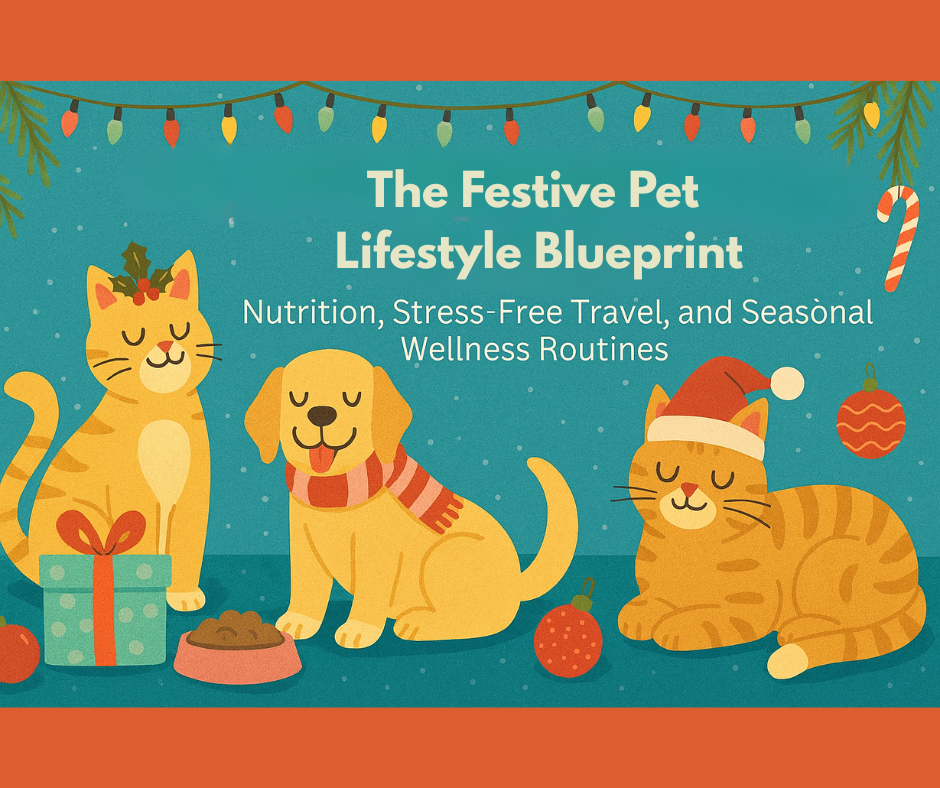
🎄 The Festive Pet Lifestyle Blueprint: Nutrition, Stress-Free Travel, and Seasonal Wellness Routines!
✨ Preview: The Festive Pet Lifestyle Blueprint ✨
The holidays bring joy, but for pets they can also mean stress, disrupted routines, and tempting (but unsafe) treats. In this 3000-word guide, we explore how to keep your furry companions healthy and happy all season long — from safe festive recipes and supplement routines to stress-free travel tips and calming home environments.
Discover a 7-day festive wellness plan, science-backed calming strategies, and creative bonding rituals that make pets part of the celebration. Whether you’re baking holiday cookies, hitting the road, or hosting guests, this blueprint ensures your pets thrive during the most wonderful time of the year.
Introduction: Pets in the Festive Season
The holidays sparkle with joy, laughter, and togetherness. For pet parents, though, they also bring a unique set of challenges. Imagine the scene: the living room glows with twinkling lights, the kitchen fills with the aroma of roasted turkey, and guests arrive with hugs and chatter. In the middle of it all, your dog is pacing nervously, or your cat has retreated under the bed.
The festive season is a time of indulgence and disruption. Routines shift, diets change, and travel plans pull families — and their pets — in new directions. After exploring supplements and travel in depth, this post completes the trilogy with a festive lifestyle blueprint: a holistic guide to integrating nutrition, mobility, and wellness routines into your pet’s holiday season.
Think of it as a roadmap for balance. Just as humans need grounding rituals to stay healthy during the holidays, pets thrive when their nutrition, environment, and daily routines remain steady. This blueprint blends science, storytelling, and practical tips to help you keep your furry companions nourished, calm, and joyfully included in the celebrations.
Holiday Nutrition & Treats
Safe vs. Unsafe Festive Foods
Every holiday table is a temptation. Dogs and cats are masters of the “pleading eyes” routine, and it’s easy to slip them a bite of whatever’s on your plate. But festive foods can be a minefield.
Safe indulgences: plain turkey (no skin or seasoning), carrots, pumpkin purée, and green beans. These are nutrient-rich and gentle on digestion.
Danger zones: chocolate, grapes, raisins, onions, garlic, alcohol, and fatty trimmings. These can cause anything from mild stomach upset to life-threatening toxicity.
Anecdote: One Christmas, a friend’s Labrador managed to snatch a slice of fruitcake left unattended on the coffee table. Within hours, the dog was at the emergency vet — raisins are highly toxic. That incident became a cautionary tale in their family, and now they keep festive foods strictly out of reach.
Integrating Supplements
Supplements act as the nutritional anchor during festive chaos. If your pet is already on an immunity blend or joint support formula, consistency is key. Stress, travel, and dietary changes can weaken resilience, so maintaining supplement routines helps stabilize their health.
Think of supplements as the “quiet guardians” of wellness. Even when meals vary — a little turkey here, a festive treat there — supplements ensure pets get the micronutrients they need.
DIY Festive Recipes
Holiday cooking can include pets too. A few simple recipes bring them into the celebration safely:
Pet-safe cookies: oat flour, pumpkin, and a dash of cinnamon (avoid nutmeg).
Holiday broth: simmer turkey bones with carrots and parsley, strain carefully, and serve as a warm topper for kibble.
Frozen treats: yogurt and blueberries poured into festive molds, frozen overnight.
These recipes not only delight pets but also create bonding moments. Imagine baking cookies with your kids, then setting aside a tray for the dog — suddenly, the pet is part of the tradition.
Travel Meets Routine
Maintaining Schedules
Pets thrive on predictability. When travel disrupts routines, anxiety often follows. Feeding and supplement times should remain consistent, even across time zones. Portable pill organizers or scoop containers make it easy to keep track.
Anecdote: A cat owner once shared how their Siamese became restless during a holiday road trip. The breakthrough came when they set alarms to feed and supplement at the same times as at home. The cat settled, recognizing the familiar rhythm despite the unfamiliar surroundings.
Portable Wellness Kits
Think of a wellness kit as your pet’s holiday suitcase. Essentials include:
Collapsible bowls
Hydration packs
Supplements in labeled containers
Calming sprays or pheromone diffusers
A favorite toy or blanket
This kit becomes a lifeline during travel. On a long drive, pulling out the familiar blanket can instantly soothe a nervous dog.
Home Environment & Stress Management
Guests & Noise
The holidays often mean a revolving door of visitors. For pets, this can feel overwhelming. Creating a “safe zone” — a quiet room with bed, water, and toys — gives them a retreat.
Anecdote: One family hosted a New Year’s Eve party with fireworks outside. Their terrier spent the evening in a bedroom outfitted with a white-noise machine and chew toys. While the humans celebrated, the dog snoozed peacefully.
Decorations & Hazards
Holiday décor is beautiful but risky. Tinsel, ribbons, candles, and certain plants (poinsettias, lilies) can be dangerous. Secure wires, keep ornaments out of reach, and choose pet-safe alternatives.
Science-Backed Calming Strategies
Enrichment toys: puzzle feeders redirect anxious energy.
Structured play sessions: short bursts of fetch or chase release tension.
Calming supplements: chamomile or valerian blends can ease stress.
Festive Routines & Bonding
Daily Rituals
Rituals anchor pets in the chaos. A morning walk or play session sets the tone. An evening cuddle or grooming ritual signals calm.
Anecdote: A cat owner described how brushing their Maine Coon every evening became a holiday ritual. Amid the noise of guests and decorations, the cat anticipated that quiet bonding time, visibly relaxing as the brush moved through its fur.
Building Resilience
Routines build trust. Just as apprentices thrive on structure, pets thrive on predictable cues. When the world feels chaotic, routines reassure them that their needs are met.
Creative Touch
Color psychology adds flair. Calming blues in pet spaces, energizing reds in play zones. Festive décor can be pet-safe: chew-proof stockings, wreaths made of felt instead of pine needles.
Actionable Blueprint: 7-Day Festive Wellness Plan
Day 1: Prep wellness kit, confirm supplement stock.
Day 2: Set up safe zone at home.
Day 3: Bake pet-safe festive treats.
Day 4: Practice short travel routines (car rides, crate time).
Day 5: Introduce calming enrichment toys.
Day 6: Host a “quiet evening” bonding ritual.
Day 7: Review checklist, adjust routines.
A printable checklist makes this plan easy to follow.
Conclusion: Completing the Trilogy
Supplements provide the foundation. Travel ensures mobility and safety. Lifestyle routines integrate both into a festive, balanced whole. By following this blueprint, pet parents can enjoy the holidays knowing their furry companions are thriving — nourished, calm, and joyfully included in the season’s celebrations.
🎯 Festive Pet Wellness
✅ Download the Festive Paw-Some Plates Recipe eBook for cats and dogs
Safe, science-backed holiday recipes including Thanksgiving recipes and treats your pets will love available or purchase on our website at https://apluspets.net
📬 Sign Up and email subscribe for Wellness Updates at https://apluspets.net
Stay ahead with seasonal care tips, guides, and exclusive insights.
Enjoy 50% OFF with email subscription until December 1 on entire store!
💡 Skip the guesswork: a gift card is always the right fit.
Gift cards ($25-$100) available at https://apluspets.net
🐾 Share Your Festive Pet Routines
Join the community, inspire others, and showcase how you keep pets thriving. Tag and follow us on Instagram at @aplusimmunity
✨ Together, let’s make this season brighter, healthier, and more joyful for pets and their families!
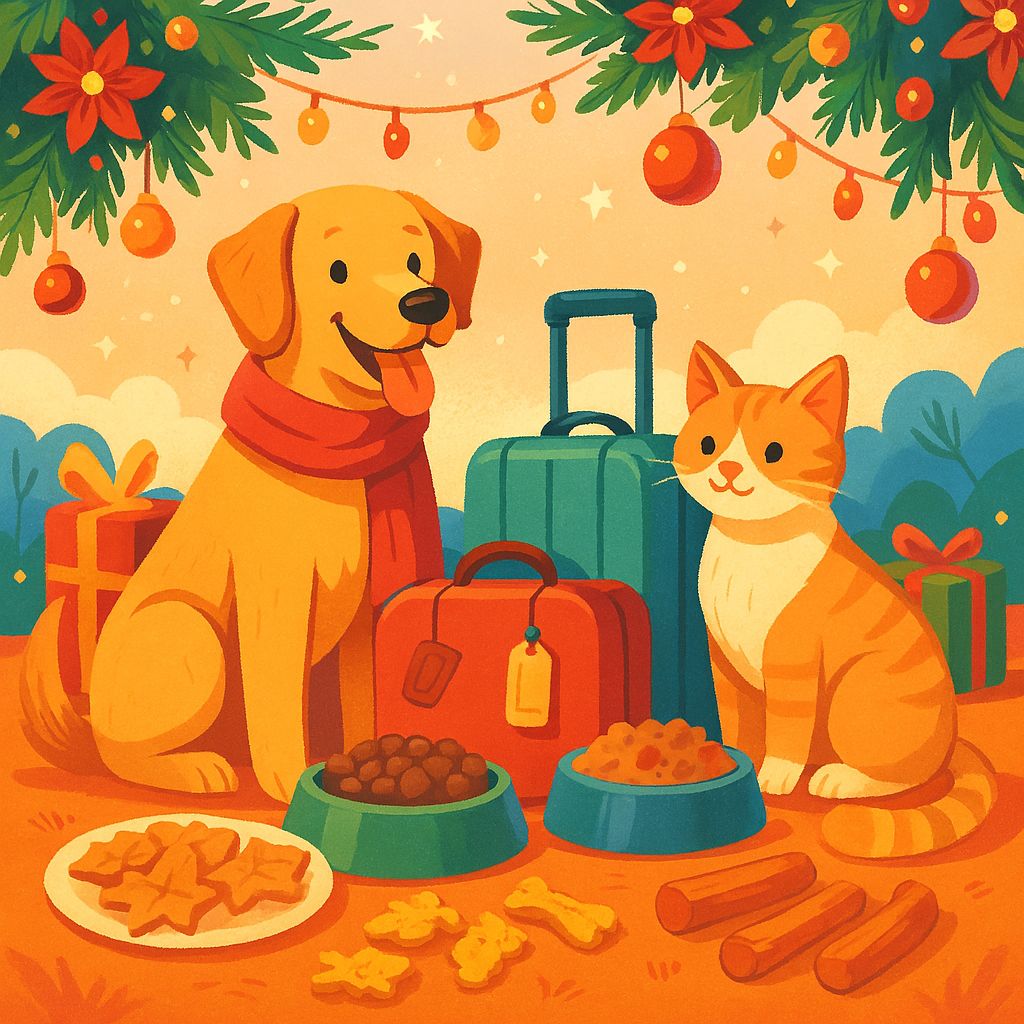
🐾 The Ultimate Guide to Traveling with Pets This Season (Plus Safe Foods & a FREE Gift for You!)
The holiday season is here, and for many of us, that means festive trips, family gatherings, and cozy getaways. But what about our furry companions? Pets are family too, and more than ever, people are choosing to bring their cats and dogs along for the ride. Traveling with pets can be joyful, but it requires preparation, patience, and a sprinkle of creativity.
This guide is your all-in-one resource for safe, stress-free, and fun pet travel this season. From packing essentials to safe holiday foods, we’ll cover everything you need to know. And because we believe in making pet wellness delicious, we’re offering our Paw-Some Plates cookbook FREE when you subscribe to email updates on our website. It’s packed with festive, science-backed recipes your pets will love.
✈️ Introduction: Why Traveling With Pets Matters
The holiday season is here, and for many of us, that means festive trips, family gatherings, and cozy getaways. But what about our furry companions? Pets are family too, and more than ever, people are choosing to bring their cats and dogs along for the ride. Traveling with pets can be joyful, but it requires preparation, patience, and a sprinkle of creativity.
This guide is your all-in-one resource for safe, stress-free, and fun pet travel this season. From packing essentials to safe holiday foods, we’ll cover everything you need to know. And because we believe in making pet wellness delicious, we’re offering our Paw-Some Plates cookbook FREE when you subscribe to email updates on our website. It’s packed with festive, science-backed, anti-inflammatory recipes your pets will love.
🚗 Section 1: Planning Your Pet-Friendly Trip
1.1 Choosing the Right Destination
Pet-friendly accommodations: Look for hotels, Airbnbs, or rentals that welcome pets. Bonus points if they offer pet beds or treats.
Outdoor access: Parks, trails, and open spaces make travel more enjoyable for pets.
Local regulations: Check leash laws, vaccination requirements, and pet policies before you go.
1.2 Preparing Your Pet for Travel
Vet check-up: Schedule a seasonal wellness exam to ensure your pet is fit for travel.
Vaccinations & paperwork: Keep records handy, especially if crossing state or country borders.
Microchip & ID tags: Update contact info in case of emergencies.
1.3 Packing Essentials
Here’s a quick checklist:
Food & water bowls
Leash, harness, and collar
Pet-safe wipes and grooming tools
Travel crate or carrier
Favorite toys and blankets
Medications and supplements
🛫 Section 2: Modes of Travel
2.1 Road Trips
Safety first: Use a crash-tested harness or secured crate.
Frequent breaks: Stop every 2–3 hours for potty and stretch time.
Temperature control: Never leave pets unattended in cars.
2.2 Air Travel
Cabin vs. cargo: Small pets may travel in-cabin; larger pets often go in cargo.
Airline policies: Each airline has unique rules—research before booking.
Acclimation: Help your pet get used to their carrier weeks before the flight.
2.3 Train & Bus Travel
Amtrak & regional lines: Many allow small pets with reservations.
Comfort items: Bring a blanket or toy to ease anxiety.
🎄 Section 3: Seasonal Safety Tips
3.1 Holiday Hazards
Decorations: Tinsel, ribbons, and ornaments can be choking hazards.
Candles & fireplaces: Keep pets away from open flames.
Crowds & noise: Create a quiet retreat space for pets during gatherings.
3.2 Weather Considerations
Cold climates: Pack sweaters, booties, and paw balm.
Warm climates: Ensure shade, hydration, and avoid hot pavement.
🍽️ Section 4: Safe Foods for Pets This Season
Holiday tables overflow with tempting treats—but not all are safe for pets. Here’s your go-to guide:
4.1 Safe Foods for Dogs
Turkey (plain, cooked, no bones or seasoning)
Pumpkin & sweet potato (plain, cooked)
Carrots & green beans
Apples (no seeds)
Oats & rice
4.2 Safe Foods for Cats
Cooked chicken or turkey (plain, no seasoning)
Salmon (cooked, boneless)
Eggs (scrambled or boiled, no seasoning)
Pumpkin puree
Blueberries (in moderation)
4.3 Foods to Avoid
Chocolate
Grapes & raisins
Onions & garlic
Alcohol
Xylitol (found in sugar-free treats)
🥳 Section 5: Festive Pet-Safe Holiday Recipes for dogs and cats
🎄 Holiday Turkey Bites for Dogs
Lean turkey mixed with pumpkin and oats, baked into festive shapes
Ingredients
1 cup cooked lean ground turkey (no seasoning, skin, or bones)
½ cup plain pumpkin puree (not pie filling)
1 cup rolled oats (unsweetened)
1 egg (optional, for binding)
Instructions
Preheat oven to 350°F (175°C).
In a mixing bowl, combine turkey, pumpkin, oats, and egg until well blended.
Roll mixture into small balls or press into festive cookie cutters (bone, star, or tree shapes).
Place on a parchment-lined baking sheet.
Bake for 20–25 minutes until firm and lightly golden.
Cool completely before serving.
Storage
Refrigerate in an airtight container for up to 5 days.
Freeze for up to 2 months; thaw before serving.
Serving Suggestion
Offer 1–2 bites as a treat depending on your dog’s size.
❄️ Winter Salmon Delight for Cats
Flaked salmon with pumpkin puree, topped with a sprinkle of catnip
Ingredients
½ cup cooked salmon (boneless, skinless, no seasoning)
2 tbsp plain pumpkin puree
1 tsp dried catnip (optional garnish)
Instructions
Bake or poach salmon until fully cooked, then flake into small pieces.
Mix salmon with pumpkin puree until smooth.
Spoon into a small dish or mold into festive shapes using silicone molds.
Sprinkle lightly with catnip before serving.
Storage
Refrigerate in a sealed container for up to 3 days.
Do not freeze (texture changes).
Serving Suggestion
Serve 1–2 tbsp per meal as a topper or special treat.
🍠 Sweet Potato Chews
Oven-baked strips for a chewy, healthy snack (safe for dogs and cats)
Ingredients
1 large sweet potato (washed, peeled optional)
Instructions
Preheat oven to 250°F (120°C).
Slice sweet potato into thin strips (¼ inch thick).
Place strips on a parchment-lined baking sheet.
Bake for 2–3 hours, flipping halfway, until chewy and slightly crisp at edges.
Cool completely before serving.
Storage
Store in an airtight container for up to 2 weeks.
For longer storage, refrigerate and reheat briefly before serving.
Serving Suggestion
Offer 1–2 strips as a chew treat.
👉 Want more recipes? Subscribe to our email updates and get Paw-Some Plates: The ultimate anti-inflammatory cookbook for cats and dogs FREE.
🧳 Section 6: Emotional Wellness on the Road
Travel can be stressful for pets. Here’s how to keep them calm:
Routine: Stick to familiar feeding and walking schedules.
Comfort items: Bring their favorite blanket or toy.
Positive reinforcement: Reward calm behavior with treats.
Quiet zones: Create a safe retreat in your hotel room or rental.
🌍 Section 7: Building Memories Together
Traveling with pets isn’t just about logistics—it’s about joy. Imagine your dog bounding through snowy trails or your cat curling up by a cabin fireplace. These shared experiences strengthen bonds and create lasting memories.
📚 Section 8: Your Free Gift – Paw-Some Plates Cookbook
We believe pet wellness should be festive, fun, and science-backed. That’s why we created Paw-Some Plates, a cookbook filled with safe, delicious recipes for cats and dogs.
🎁 Get it FREE when you subscribe to email updates on our website.
You’ll receive:
Seasonal recipes for pets
Wellness tips
Exclusive travel guides
Updates on new launches
📝 Conclusion
Traveling with pets this season can be magical—with the right preparation, safe foods, and a dash of creativity. Whether you’re hitting the road, flying across the country, or cozying up in a cabin, your pets deserve to be part of the adventure.
So pack the essentials, plan ahead, and don’t forget to grab your FREE Paw-Some Plates cookbook by subscribing today. Because the holidays are better when shared with wagging tails and purring companions.
🐾 The Future of Pet Wellness: A Deep Dive into Supplements, Science, and the Humanization of Our Furry Friends
Walk into any pet store today and you’ll see more than kibble and chew toys—you’ll find aisles lined with probiotics, omega-3 oils, calming chews, and multivitamins designed specifically for cats and dogs. The pet supplement market has exploded into a $2.5 billion industry, reflecting a cultural shift: pets are no longer “just animals.” They are family.
According to Pew Research, 97% of pet owners consider their pets part of the family, and more than half treat them as human family members. This emotional bond is driving a wave of innovation in pet nutrition, mirroring human wellness trends. From joint health to gut microbiome support, supplements are becoming essential tools for proactive pet care.
This blog post explores the insights from Natural Products Insider’s July 2024 deep dive into pet supplements, weaving together market data, science, consumer behavior, and product innovation.
Introduction: Pets as Family, Wellness as Priority
Walk into any pet store today and you’ll see more than kibble and chew toys—you’ll find aisles lined with probiotics, omega-3 oils, calming chews, and multivitamins designed specifically for cats and dogs. The pet supplement market has exploded into a $2.5 billion industry, reflecting a cultural shift: pets are no longer “just animals.” They are family.
According to Pew Research, 97% of pet owners consider their pets part of the family, and more than half treat them as human family members. This emotional bond is driving a wave of innovation in pet nutrition, mirroring human wellness trends. From joint health to gut microbiome support, supplements are becoming essential tools for proactive pet care.
This blog post explores the insights from Natural Products Insider’s July 2024 deep dive into pet supplements, weaving together market data, science, consumer behavior, and product innovation.
Section 1: The Market Has the Zoomies 🐕💨
The pet supplement market is growing like an English Mastiff puppy—fast and unstoppable.
Market size: $2.49 billion in 2023, projected CAGR of 4.9% through 2030 (Grand View Research).
Pet ownership: 87 million Americans own pets, a 56% increase since 1988.
Insurance trends: $3.9 billion in pet health insurance premiums in 2023, showing owners’ willingness to invest in health.
Pet parents are no longer satisfied with annual vet visits. They want preventive care—from dental hygiene to joint support—mirroring the human wellness movement. As Reshma Rathi of Specialty Enzymes & Probiotics put it:
“Pet owners want to optimize all areas of health—from dental hygiene and good digestion to muscle, joint, immune, and gut health.”
This proactive mindset is reshaping the supplement landscape.
Section 2: Humanization of Pets 🧑🤝🧑🐾
The humanization of pets is the megatrend driving innovation. Owners feed pets human-grade food, name them after family members, and now supplement their diets with the same functional ingredients they take themselves.
Probiotics: Just as humans embrace gut health, probiotics for pets are booming (+78% growth).
Joint health: Glucosamine, chondroitin, and MSM are staples for aging or active pets.
Omega-3s: Fish oil and DHA support cardiovascular and skin health.
Calming aids: L-theanine sales are up 38%, reflecting demand for stress relief during fireworks or separation anxiety.
Kyle Mener of SPINS notes that retail data shows pet supplements increasingly mirror human wellness categories—immune resilience, digestion, anxiety, and longevity.
Section 3: Science Behind the Supplements 🔬
Pet supplements are not just marketing fluff; they’re backed by growing scientific evidence.
Key Ingredients and Research:
Curcumin (Curcuwin Paws): Supports joint health, muscle strength, inflammation balance, and immune resilience.
Probiotics (BPL1, Lactiplantibacillus plantarum): Improve gut microbiota, oral health, and digestion.
Spirulina: Enhances immune response and gut stability in dogs.
Astaxanthin: A powerful antioxidant reducing age-related oxidative stress in dogs and cats.
PEA (Palmitoylethanolamide): Anti-inflammatory compound studied for arthritis and skin conditions.
Blake Ebersole’s Science Now column emphasizes that many nutrients beneficial for humans—omega-3s, probiotics, turmeric—are equally valuable for pets. The challenge lies in dosage, safety, and formulation.
Section 4: Consumer Demographics and Motivations 📊
Jon Copeland’s survey of pet supplement shoppers reveals fascinating insights:
Species-specific needs:
Dog owners prioritize joint health (40%) and skin/coat (37%).
Cat owners focus more on urinary/kidney health (22%) and immunity.
Science matters: 25% of shoppers gain confidence from “vet recommended” claims; 22% from “clinically proven.”
Biotics awareness: 86% of shoppers are familiar with probiotics; fewer understand prebiotics (27%) or postbiotics (9%).
Shopping habits: Chewy.com and Amazon dominate, but brick-and-mortar stores remain strong.
Format preferences:
Dogs: soft chews and functional treats.
Cats: soft chews and gravy-like toppers.
This data underscores the importance of science-backed messaging and format innovation in winning consumer trust.
Section 5: Marketing Insights—Supplements as Family Care ❤️
EJ Hullverson highlights that pet wellness is a family matter. Owners want supplements that align with their own values: clean label, sustainable, clinically tested.
Trusted sources: Veterinarians and pet store employees rank higher than social media influencers.
Formats gaining traction:
Soft chews (cold-extrusion preserves nutrients and flavor).
Powders/sachets (convenient, portion-controlled, calorie-free).
Top supplement categories: Calming, dental, mobility, digestion, longevity, skin/coat, and general wellness.
Brands that deliver science-backed, premium, and convenient solutions are poised to capture loyalty.
Section 6: Trends on the Rise (and Decline) 📈📉
SPINS retail data reveals winners and losers in the pet supplement aisle:
Rising:
L-theanine (+37.7%)
Turmeric (+11.6%)
Pumpkin (+19%)
Probiotics (+6.1%)
DHA/fish oil (+6.1%)
Declining:
CBD (-14%)
Flax seed/oil (-12.9%)
Chlorophyll/chlorella (-22.9%)
Digestive enzymes (-8.6%)
Homeopathic remedies (-10.8%)
The decline of CBD reflects regulatory uncertainty and consumer skepticism, while the rise of probiotics and turmeric shows alignment with human wellness trends.
Section 7: Product Innovation Spotlight 🌟
Several innovative products stand out:
Curcuwin Paws (OmniActive): Clinically studied curcumin for canine joint health.
Bundle + Joy Glowing: Organic kelp, turmeric, omega-3s for skin health.
Furbaby Multivitamin: Comprehensive powder with glucosamine, chondroitin, and biotin.
Ready Pet Go! Joint & Hip Mobility: Soft chews with glucosamine, MSM, chondroitin, turmeric, and hyaluronic acid.
Yellow Yak Treats: Bacon-flavored chews with probiotics and prebiotics.
These products reflect the fusion of science, flavor, and convenience—critical for consumer adoption.
Section 8: Challenges and Opportunities ⚖️
Despite growth, the pet supplement industry faces hurdles:
Regulatory barriers: Higher safety standards for animal ingredients slow innovation.
Consumer education: Many owners confuse human supplements with pet-safe formulations.
Market saturation: With so many products, differentiation requires strong branding and science.
Affordability: Supplements can be costly, raising equity concerns for lower-income pet owners.
Opportunities lie in:
Microbiome research: Gut-brain and gut-skin axis applications.
Longevity supplements: Targeting aging pets with antioxidants and joint support.
Functional treats: Combining indulgence with health benefits.
Veterinary partnerships: Building trust through professional endorsements.
Section 9: The Emotional Core of Pet Wellness 🐶🐱
Todd Runestad’s personal story of Utah, his shepherd/dingo mix, illustrates the emotional driver behind supplements. Watching a beloved pet age with hip dysplasia or anxiety during fireworks motivates owners to seek solutions.
Supplements are not just about science—they’re about love, loyalty, and the desire to extend companionship. Whether it’s fish oil for a shiny coat or probiotics for digestive comfort, these products embody the human commitment to giving pets their best lives.
Conclusion: Sit. Stay. Thrive.
The pet supplement industry is at a crossroads of science, consumer demand, and emotional connection. With nearly three-quarters of U.S. pet owners interested in buying supplements, the future is bright.
Brands that succeed will:
Align with human wellness trends.
Deliver clinically backed, vet-endorsed products.
Innovate with formats like soft chews and powders.
Communicate with transparency and empathy.
Ultimately, supplements are more than products—they’re promises. Promises that our furry companions will live longer, healthier, happier lives.
🐾 Understanding Canine Lymphoma: A Complete Guide for Dog Owners
Lymphoma in dogs is one of the most common canine cancers, affecting the lymphatic system and often presenting as swollen lymph nodes. While serious, it can be managed with veterinary care, and many dogs respond well to treatment.
📌 What Is Lymphoma in Dogs?
Definition: Lymphoma is a cancer of the lymphocytes, which are white blood cells that help fight infection merckvetmanual.com vcahospitals.com.
Where it occurs: Because lymphocytes travel throughout the body, lymphoma can appear in lymph nodes, spleen, liver, bone marrow, intestines, skin, or chest akc.org webmd.com.
Prevalence: It accounts for 15–20% of all canine cancers and is most common in middle-aged to older dogs vcahospitals.com.
Types:
🐕 Symptoms Owners Should Watch For
Swollen lymph nodes (under jaw, behind knees, armpits, groin) dogcanceracademy.org
Weight loss and loss of appetite akc.org dogcanceracademy.org
Lethargy and weakness dogcanceracademy.org
Vomiting, diarrhea, abdominal pain (if intestines are involved) akc.org
Coughing or breathing difficulty (if chest is involved) webmd.com
Skin lesions – scaly patches, nodules, or sores (cutaneous lymphoma) dogcanceracademy.org
👉 These signs are often painless, which is why lymphoma can sneak up unnoticed.
🩺 How Lymphoma Is Diagnosed
Veterinarians use several tests:
Fine Needle Aspirate (FNA): A quick test where cells are taken from a lymph node and examined under a microscope vcahospitals.com akc.org.
Biopsy: A tissue sample is surgically removed for detailed analysis merckvetmanual.com vcahospitals.com.
Bloodwork & Imaging: To check organ function and spread akc.org.
Immunophenotyping: Determines if the cancer is B-cell or T-cell, which affects prognosis vcahospitals.com.
Staging: Ranges from Stage I (single lymph node) to Stage V (bone marrow or multiple organs) akc.org webmd.com.
💉 Conventional Treatments
1. CHOP Protocol
What it is: A multi-drug chemotherapy regimen using Cyclophosphamide, Doxorubicin, Vincristine, and Prednisone imprimedicine.com.
Effectiveness: Considered the gold standard, with remission rates of 50–95% imprimedicine.com.
Duration: Usually 19–25 weeks of treatment uwveterinarycare.wisc.edu.
Side effects: Dogs tolerate chemo better than humans. Mild vomiting, diarrhea, or decreased appetite may occur imprimedicine.com bsavalibrary.com.
2. Lomustine (CCNU)
What it is: An oral chemotherapy drug often used for cutaneous lymphoma or as a rescue therapy when CHOP stops working thevetiverse.com vin.com.
Dosage: Typically given every 3–6 weeks vin.com.
Side effects: Can cause liver toxicity, so vets often prescribe liver support supplements like Denamarin thevetiverse.com.
3. Other Options
Prednisone alone: Provides temporary relief but only extends life by weeks vcahospitals.com.
Radiation therapy: Used for localized lymphoma amcny.org.
New drugs: Rabacfosadine (Tanovea) is FDA-approved for canine lymphoma thevetiverse.com.
🌱 Integrative & Holistic Care
While chemotherapy is the backbone of treatment, integrative care can help dogs live longer and feel better.
Nutrition
Low-carb diets: Cancer cells thrive on sugar, so reducing carbs may help barfworld.com.
High-quality protein: Supports muscle mass and immune function barfworld.com.
Healthy fats: Omega-3 fatty acids from fish oil reduce inflammation veterinarysecrets.com barfworld.com.
Natural Supplements
Medicinal mushrooms (Reishi, Turkey Tail): Boost immune system veterinarysecrets.com.
Dandelion root: Studied for blood cancers like lymphoma veterinarysecrets.com.
CBD oil: Helps with pain, appetite, and possibly cancer cell suppression veterinarysecrets.com.
Antioxidants (Vitamin C, E, green tea extract): Support cellular health veterinarysecrets.com.
Melatonin: Helps regulate sleep and acts as an antioxidant veterinarysecrets.com.
Supportive Care
Probiotics: Aid digestion during chemo thevetiverse.com.
Liver support (milk thistle, Denamarin): Protects against lomustine toxicity thevetiverse.com.
Hydration & gentle exercise: Maintain energy and comfort.
🐾 Quality of Life Considerations
Remission vs. Cure: Lymphoma is rarely cured, but remission can give dogs months to years of good life thevetiverse.com.
Average survival:
No treatment: 1–2 months vcahospitals.com
Prednisone only: 4–6 weeks vcahospitals.com
CHOP protocol: 12–18 months imprimedicine.com thevetiverse.com
Lomustine: 3–6 months (sometimes longer) vin.com avmajournals.avma.org
Comfort care: Even when cure isn’t possible, integrative support can make a dog’s remaining time joyful.
📝 Final Thoughts
Lymphoma in dogs is a serious but manageable cancer. With early diagnosis, effective chemotherapy protocols like CHOP or lomustine, and integrative care using nutrition and supplements, many dogs can enjoy extended survival and a better quality of life.
As a dog parent, your role is to:
Watch for early signs.
Work closely with your vet and possibly a veterinary oncologist.
Support your dog with good nutrition, supplements, and lots of love.
🚀 From Curie to Cosmos: How Science Powers Pet Wellness!
Marie Curie’s brilliance illuminated the path of modern science, reminding us that discovery is a gift to all humanity. On her birthday, we honor her legacy by exploring One Health, the philosophy that unites humans, animals, and the environment. From NASA-inspired antioxidant research to immune-strengthening innovations like A-Plus Naturals, this story celebrates resilience, interconnectedness, and the power of prevention.
Today, as we celebrate the birthday of Marie Curie, one of the greatest scientific revolutionaries of all time, it feels fitting to reflect on the interconnectedness of health, science, and innovation. Curie’s pioneering work in radioactivity not only transformed medicine but also laid the foundation for a mindset that continues to inspire modern research: the belief that science can bridge disciplines, heal communities, and empower future generations. This philosophy resonates deeply with the concept of One Health, a framework that recognizes the inseparable link between human, animal, and environmental health.
In this blog, we’ll explore how One Health connects to Curie’s legacy, how NASA-inspired research during the COVID-19 pandemic has informed modern wellness solutions like A-Plus Naturals, and why strengthening the immune system remains one of the most powerful defenses we have.
🌍 What is One Health?
One Health is a collaborative, transdisciplinary approach that acknowledges that the health of people, animals, and ecosystems are intertwined. Emerging infectious diseases, climate change, antimicrobial resistance, and food safety are all challenges that cannot be solved in isolation. Instead, veterinarians, physicians, ecologists, and scientists must work together.
Key principles of One Health include:
Shared risks: Pathogens can move between humans and animals (zoonoses), as seen with COVID-19, avian influenza, Lyme disease, malaria and rabies.
Environmental impact: Pollution, deforestation, and climate shifts affect both human and animal health.
Collaborative solutions: Preventive care, sustainable agriculture, and integrative medicine benefit all species.
One Health is not just a scientific framework—it’s a philosophy of interconnectedness. It reminds us that when we protect pets from inflammation, when we safeguard ecosystems from toxins, we are also protecting ourselves.
🔬 Marie Curie’s Science Revolution
Marie Curie, born on November 7, 1867, was the first woman to win a Nobel Prize and the only person to win in two different sciences: Physics and Chemistry. Her discovery of radioactivity revolutionized medicine, leading to diagnostic imaging and cancer therapies. But beyond her discoveries, Curie embodied the spirit of scientific courage—working tirelessly in the face of skepticism, gender barriers, and personal risk.
Her legacy connects beautifully to One Health in two ways:
Interdisciplinary vision: Curie’s work bridged physics, chemistry, and medicine, showing that breakthroughs often occur at the intersections of disciplines.
Commitment to humanity: She believed science should serve society, a principle that underpins One Health’s mission to protect communities across species and borders.
Celebrating Curie today reminds us that science is not just about discovery—it’s about responsibility. Her revolution paved the way for modern integrative research, including NASA-inspired studies that inform wellness innovations today.
🚀 NASA-Inspired Research: Protecting Cells from Radiation
During the COVID-19 pandemic, when uncertainty was high and cures were elusive, scientists turned to immune resilience as the best defense. One remarkable study, conducted under NASA-inspired frameworks, was published in Neuroglia in 2022 by Richard N. Cliver et al.:
“Antioxidants derived from natural products reduce radiative damage in cultured retinal glia to prevent oxidative stress.”
This research, which I co-authored, explored how natural antioxidants can protect delicate retinal cells from radiation-induced damage. Why is this important? Astronauts in space are exposed to high levels of cosmic radiation, which can harm the eyes and nervous system. By studying how antioxidants shield retinal glia, scientists uncovered broader insights into how oxidative stress can be mitigated in both humans and animals.
Key findings included:
Natural antioxidants (sourced from botanical ingredients, including Aloe Vera and Ginkgo Biloba) reduced cellular damage caused by radiation.
Oxidative stress, a driver of inflammation and aging, was significantly lowered.
The research highlighted the potential of nutritional interventions to protect against environmental stressors.
This study exemplifies One Health in action: research designed for astronauts also informs how we care for pets and people on Earth. It shows that protecting cells from stress is a universal need across species.
🐾 A-Plus Naturals: Translating Science into Pet Wellness
Inspired by this NASA-driven research, A-Plus Naturals integrates antioxidant-rich formulations to support immune and gut health in pets. The philosophy is simple yet profound: if antioxidants can protect astronauts’ cells from radiation, they can also help pets resist inflammation, oxidative stress, and environmental toxins.
During COVID, when no cure existed, the best defense was a strong immune system. This principle applies equally to pets. By fortifying their natural defenses, we help them thrive in uncertain times.
Highlights of A-Plus Naturals’ approach:
Science-backed ingredients: Derived from natural sources, chosen for antioxidant and anti-inflammatory potency.
Immune resilience: Supporting pets’ ability to fight off stressors and pathogens.
One Health alignment: By improving pet wellness, we reduce veterinary burdens and strengthen the human-animal bond.
This is not just about supplements—it’s about translating cutting-edge science into everyday care for the animals we love.
🌱 One Health in Practice: From Pandemic Lessons to Future Preparedness
COVID-19 reminded the world that prevention is power. While vaccines and treatments were developed, the immediate defense was immune strength. For pets, the lesson is similar: proactive care reduces risks, improves quality of life, and strengthens the ecosystem of health.
One Health practices we can adopt:
Nutrition: Antioxidant and anti-inflammatory-rich diets for humans and pets.
Environment: Reducing exposure to toxins, pollutants, and stressors.
Collaboration: Veterinarians, physicians, and scientists working together to anticipate future challenges.
By embracing One Health, we honor Marie Curie’s vision of science serving humanity and extend it to all living beings.
🎉 Conclusion: Celebrating Curie, Science, and Resilience
On Marie Curie’s birthday, we celebrate not only her discoveries but also her spirit of perseverance and service. Her revolution reminds us that science is a bridge—between disciplines, between species, and between generations.
The NASA-inspired research on antioxidants shows how modern science continues this legacy, protecting cells from radiation and guiding innovations like A-Plus Naturals. And the One Health framework ties it all together, reminding us that the health of humans, animals, and ecosystems is inseparable.
In a world still healing from COVID-19, the message is clear: a strong immune system is our best defense, and science is our best ally. By caring for pets, people, and the planet, we honor Curie’s vision and build a healthier future for all.

Raw Diets vs. Plant-Based Supplements: A One Health View
Raw diets and plant-based supplements are often framed as opposites in pet nutrition, but through the lens of One Health—which recognizes the interconnectedness of human, animal, and environmental well-being—they can be seen as complementary strategies. With New Jersey officially recognizing November 3 as One Health Day, this is the perfect moment to explore how these choices affect not just pets, but ecosystems and communities too
Understanding the One Health Framework
The One Health approach emphasizes that the health of people, animals, plants, and the environment are deeply interdependent. This perspective is especially relevant in pet nutrition, where choices ripple outward—affecting food systems, disease transmission, and sustainability.
New Jersey has taken a leadership role in this movement. Governor Phil Murphy proclaimed November 3 as One Health Day in New Jersey, aligning the state with an international campaign that highlights cross-disciplinary collaboration. The New Jersey One Health Task Force now brings together veterinarians, physicians, environmental scientists, and policymakers to address issues at the intersection of animal, human, and environmental health.
So, how do raw diets and plant-based supplements fit into this bigger picture?
Raw Diets: Benefits and Risks
Raw feeding—typically consisting of uncooked meat, bones, and organs—has gained popularity among pet owners seeking a “natural” approach.
Potential Benefits:
Nutrient density: Raw diets can provide high-quality protein, amino acids, and fats in their unprocessed form.
Palatability: Many pets find raw food highly appealing, which can help with picky eaters.
Digestive health: Some owners report shinier coats, improved stool quality, and better energy levels.
Risks and Challenges:
Pathogen exposure: Raw meat can harbor Salmonella, E. coli, or Listeria, posing risks not only to pets but also to humans handling the food.
Nutritional imbalances: Without careful formulation, raw diets may lack essential vitamins, minerals, or fiber.
Environmental footprint: Meat-heavy diets contribute to greenhouse gas emissions and resource-intensive livestock farming.
From a One Health perspective, the pathogen risk is particularly concerning. Zoonotic bacteria can spread from pets to humans, especially in households with children, elderly individuals, or immunocompromised members.
Plant-Based Supplements: A Growing Alternative
Plant-based supplements—ranging from antioxidant blends to omega-rich oils and immune-support powders—are increasingly used to complement or partially replace animal-based diets.
Potential Benefits:
Sustainability: Plant-based ingredients generally have a lower environmental impact compared to meat production.
Functional nutrition: Botanicals like turmeric, spirulina, and medicinal mushrooms can provide anti-inflammatory, antioxidant, and immune-modulating effects.
Digestive support: Fiber-rich plant ingredients can promote gut health and microbiome balance.
Risks and Challenges:
Bioavailability: Not all plant nutrients are easily absorbed by pets, requiring careful formulation.
Incomplete protein: Dogs and cats have specific amino acid requirements that plants alone may not fully meet.
Regulatory oversight: Supplements vary widely in quality, and not all are backed by rigorous testing.
From a One Health lens, plant-based supplements can reduce reliance on intensive animal agriculture while still supporting pet health. However, they must be integrated thoughtfully to avoid nutritional gaps.
The One Health Balance: Integration, Not Opposition
Rather than framing raw diets and plant-based supplements as mutually exclusive, the One Health perspective encourages integration and balance.
Hybrid approaches: A raw or lightly cooked base diet can be fortified with plant-based supplements to ensure micronutrient coverage and immune support.
Risk mitigation: Safe handling practices, pathogen testing, and regulatory oversight can reduce the risks of raw feeding.
Sustainability gains: Incorporating plant-based supplements reduces the overall environmental footprint of pet diets.
This integrated approach reflects the One Health ethos: solutions that protect animal well-being, safeguard human health, and preserve environmental resources.
Why November 3 Matters in New Jersey
On November 3, New Jersey celebrates One Health Day, joining a global movement that underscores the importance of cross-sector collaboration. The state has been a pioneer, establishing the New Jersey One Health Task Force to address challenges like zoonotic disease monitoring, sustainable agriculture, and veterinary-public health partnerships.
For pet owners, this means that choices about nutrition are not just personal—they are part of a broader ecosystem of health. By considering both raw diets and plant-based supplements through a One Health lens, New Jerseyans can align their pet care practices with the state’s forward-looking commitment to interconnected well-being.
Practical Takeaways for Pet Owners
Consult professionals: Work with veterinarians who understand both raw feeding and supplementation to design balanced diets.
Prioritize safety: If feeding raw, follow strict hygiene protocols to protect both pets and humans.
Leverage supplements: Use plant-based blends to fill nutritional gaps, support immunity, and reduce environmental impact.
Think systemically: Remember that your pet’s diet choices affect not just their health, but also your household and the planet.
Conclusion
The debate between raw diets and plant-based supplements is not about choosing sides—it’s about finding synergy. Through the lens of One Health, pet nutrition becomes a shared responsibility that links our animals’ vitality to human safety and environmental sustainability.
As New Jersey highlights on One Health Day, November 3, the future of health lies in collaboration. For pet owners, that means embracing dietary strategies that nourish pets while respecting the delicate balance of our interconnected world.
Sources: Governor Murphy’s proclamation of November 3 as One Health Day in New Jersey.
: https://dep.nj.gov/newsrel/25_01030/
: https://www.morningagclips.com/gov-murphy-proclaims-nov-3-2025-as-one-health-day-in-new-jersey/

How A-Plus Naturals Immunity Blend Supports Baseline Defenses
In today’s world, our pets face a constant stream of invisible challenges—from environmental stressors and seasonal changes to everyday exposure to microbes. Just like humans, cats and dogs rely on their immune systems as the first line of defense. But here’s the catch: a strong immune system isn’t built overnight. It requires consistent support, nourishment, and balance.
That’s where A-Plus Naturals Immunity Blend comes in. This plant-based, science-driven supplement is designed to strengthen pets’ baseline defenses, helping them stay resilient against the daily stressors that can compromise health.
🧬 What Do We Mean by “Baseline Defenses”?
When we talk about baseline defenses, we’re referring to the body’s foundational immune readiness—the ability to recognize, respond to, and neutralize threats before they escalate into illness.
Baseline defenses include:
Innate immunity – the body’s immediate, non-specific response to invaders.
Gut microbiome balance – where nearly 70% of immune cells reside.
Cellular resilience – the ability of cells to withstand oxidative stress and inflammation.
Supporting these systems daily ensures pets aren’t just reacting to illness, but proactively maintaining wellness.
🌿 The Science Behind A-Plus Naturals Immunity Blend
A-Plus Naturals Immunity Blend is more than a supplement—it’s a carefully crafted synergy of natural ingredients, each chosen for its role in immune resilience and gut health.
Here’s how the key components work together:
1. Mushroom Extracts (Shiitake & Reishi)
Rich in beta-glucans, compounds known to prime immune cells.
Support white blood cell activity, enhancing the body’s ability to detect and neutralize pathogens.
Provide antioxidants that reduce oxidative stress, a major factor in immune fatigue.
2. Astragalus Root
A traditional adaptogen that helps the body adapt to stress.
Supports immune modulation—keeping defenses strong without triggering overreaction.
3. Larch Arabinogalactan
A natural prebiotic fiber that nourishes beneficial gut bacteria.
Strengthens the gut barrier, reducing the risk of harmful microbes entering circulation.
4. Probiotics (Bacillus subtilis)
Reinforce the gut microbiome, which plays a central role in immune signaling.
Improve nutrient absorption, ensuring pets get the most from their diet.
5. Turmeric & Ginger Extracts
Potent anti-inflammatory botanicals.
Help regulate immune response and reduce chronic inflammation, which can weaken defenses over time.
6. L-Lysine
An essential amino acid that supports immune function and collagen production.
Particularly beneficial for cats, as it helps manage viral stressors.
Together, these ingredients create a multi-modal shield—supporting immunity, gut health, and overall vitality.
🐾 Why Baseline Support Matters for Pets
Many pet parents only think about immune health when their animals are already sick. But the truth is, prevention is far more effective than reaction. By supporting baseline defenses daily, you help your pet:
Stay resilient during seasonal changes (when allergies and infections spike).
Recover faster from stressors like travel, boarding, or vet visits.
Age gracefully, with stronger defenses against age-related decline.
Maintain energy and vitality, thanks to reduced oxidative stress and inflammation.
Think of it like maintaining a strong foundation for a house. If the base is solid, the structure can withstand storms.
🌎 A Holistic, Sustainable Approach
A-Plus Naturals Immunity Blend isn’t just about pet health—it’s also about responsible innovation. Manufactured in the USA with eco-friendly sourcing, the blend reflects a commitment to both pets and the planet.
This matters because sustainability and wellness go hand in hand. By choosing products that respect natural ecosystems, pet parents contribute to a healthier environment for all living beings.
✅ How to Incorporate Immunity Blend Into Daily Care
Consistency is key – add the powder to your pet’s food daily for best results.
Pair with balanced nutrition – supplements work best alongside a wholesome diet.
Monitor changes – look for signs of improved energy, digestion, and coat health.
Consult your veterinarian – especially if your pet has existing health conditions.
The vegan bacon flavor makes it easy to integrate into meals—pets enjoy it, and parents can feel confident about compliance.
📊 The Bigger Picture: Immune Health as Preventive Care
Veterinary medicine increasingly emphasizes preventive care, and immune support is a cornerstone of that approach. By investing in baseline defenses, pet parents reduce the likelihood of costly interventions later.
A-Plus Naturals Immunity Blend aligns with this philosophy, offering a science-backed, natural, and convenient way to keep pets thriving.
✨ Final Thoughts
Our pets rely on us to make choices that protect their well-being. By supporting their baseline defenses with A-Plus Naturals Immunity Blend, we’re not just responding to illness—we’re building resilience from the ground up.
This proactive approach means fewer sick days, more tail wags, and a stronger bond between pets and their families. Because true wellness isn’t about fighting disease—it’s about nurturing vitality every single day.

Zoonotic Risks: Safeguarding Family Health Through Pet Care
Pets enrich our lives in countless ways—offering companionship, reducing stress, and even improving our physical health. Yet, alongside the joy of pet ownership comes a responsibility that often goes overlooked: protecting our families from zoonotic diseases. These are illnesses that can pass between animals and humans, and while the risks are manageable, awareness and preventive care are essential.
In this article, we’ll explore what zoonotic diseases are, how they spread, and the practical steps families can take to safeguard both human and animal health.
🐾 What Are Zoonotic Diseases?
Zoonotic diseases (or zoonoses) are infections caused by bacteria, viruses, parasites, or fungi that can be transmitted from animals to humans. While the term may sound technical, the concept is simple: germs don’t always respect species boundaries.
Some common zoonotic diseases linked to pets include:
Ringworm – a fungal infection that causes itchy, circular rashes on the skin.
Roundworms and hookworms – intestinal parasites spread through contaminated soil or pet waste.
Leptospirosis – a bacterial infection often found in standing water or damp soil.
Rabies – a deadly viral disease transmitted through bites or scratches.
Salmonella and Campylobacter – bacteria that can spread through contaminated food, water, or pet feces.
Children under five, older adults, pregnant women, and people with weakened immune systems are at higher risk of serious illness from these infections.
🐕 How Do Pets Transmit Zoonotic Diseases?
Pets explore the world with their noses, mouths, and paws. Along the way, they can pick up germs from soil, water, other animals, or pests like fleas and ticks. Once inside the home, these germs can spread in several ways:
Direct contact – through bites, scratches, or even licking an open wound.
Indirect contact – touching contaminated objects like food bowls, toys, bedding, or litter boxes.
Parasite vectors – fleas, ticks, and mosquitoes can carry infections from pets to people.
Airborne droplets – some bacteria and viruses spread when pets sneeze or cough.
Even simple daily activities—like cleaning up after your dog or cuddling your cat—can create opportunities for transmission if proper hygiene isn’t practiced.
🧼 Practical Steps to Protect Your Family
The good news is that zoonotic risks can be significantly reduced with consistent, preventive care. Here are key strategies every household should adopt:
1. Routine Veterinary Care
Schedule annual check-ups and vaccinations.
Ask your veterinarian about region-specific risks (e.g., Lyme disease in tick-heavy areas).
Regular fecal exams help detect intestinal parasites early.
2. Parasite Prevention
Use veterinarian-recommended flea, tick, and heartworm preventives.
Dispose of ticks carefully if removed from pets.
Keep outdoor play areas clean to reduce exposure to parasite eggs or larvae.
3. Hygiene Habits at Home
Wash hands thoroughly after handling pets, cleaning litter boxes, or picking up waste.
Clean pet dishes, toys, and bedding regularly.
Scoop litter boxes daily and disinfect them weekly.
Pick up dog waste promptly—ideally daily, but at least weekly.
4. Safe Feeding Practices
Avoid feeding pets raw or undercooked meat, which can harbor harmful bacteria.
Store pet food separately from human food.
Wash hands after handling pet food or treats.
5. Educating Children
Teach kids not to put their faces close to pets’ mouths.
Encourage handwashing after playtime.
Supervise interactions between young children and animals to prevent bites or scratches.
🌍 Why Awareness Matters
Zoonotic diseases aren’t rare or exotic—they’re part of everyday life. According to the CDC, millions of people contract zoonotic infections each year, though most cases are mild and preventable. The real challenge lies in balancing the joy of pet ownership with the responsibility of keeping everyone safe.
For families, awareness is empowering. By understanding how these diseases spread and taking simple precautions, you can enjoy the benefits of pet companionship without unnecessary worry.
🐾 Building a Healthy Pet–Human Bond
Safeguarding your family’s health doesn’t mean limiting your bond with your pets. In fact, preventive care strengthens that bond. A healthy pet is a happier companion, and a safe household is one where both people and animals thrive.
Think of zoonotic prevention as part of holistic pet care—just like nutrition, exercise, and emotional well-being. By integrating hygiene, veterinary visits, and parasite control into your routine, you’re not only protecting your family but also ensuring your pets live longer, healthier lives.
✅ Key Takeaways
Zoonotic diseases are infections that pass between animals and humans.
Common examples include ringworm, roundworms, leptospirosis, rabies, and Salmonella.
Pets can transmit these diseases through direct contact, contaminated objects, parasites, or airborne droplets.
Preventive care—regular vet visits, parasite control, hygiene, and safe feeding—dramatically reduces risks.
Families with children, seniors, or immunocompromised members should be especially vigilant.
Final Word
Pets are family. Protecting them means protecting ourselves. By staying informed and proactive, we can minimize zoonotic risks while maximizing the joy of pet ownership. After all, the healthiest homes are those where humans and animals thrive together.

Enhancing Pet Immune Health: The Impact of Physical Activity Unleashed
When it comes to taking care of our pets, exercise is often highlighted as a crucial factor in maintaining their health and well-being. However, the significant influence of physical activity on our furry companions' immune systems may not always be fully appreciated. Just like in humans, engaging in exercise plays a vital role in boosting pets' immune health, ensuring they lead active and healthy lives. In this blog post, we will delve into the connection between exercise and pet immune health, offering practical tips to help integrate it into their daily routines.
Understanding How the Pet Immune System Works :
Pets rely on an system to protect them from harmful pathogens and maintain their well being. A strong immune response is essential for warding off infections and fighting diseases emphasizing the need to support function through methods, including exercise.
The Relationship Between Exercise and Immune Health :
Studies highlight the impact of exercise on pets immune systems. Physical activity triggers processes that aid in the circulation of immune cells and regulate stress hormones to enhance immune function effectively.
Benefits of Exercise, for Improving Pets Immune Health :
Boosted Immune Response: Regular physical activity helps fortify pets' immune systems, improving their ability to fight off pathogens. It plays a crucial role in reducing the risk of diseases by helping your pet maintain a healthy weight, which in turn supports their immune system and overall well-being. Exercise also impacts health by releasing feel-good hormones like endorphins, which can alleviate stress and improve immune function. Additionally, staying active contributes to a balanced gut microbiome, which is crucial for maintaining optimal immune health.
Pets that engage in exercise tend to live and healthier lives due to their boosted immune systems. To ensure your benefits from exercise you can incorporate activities into their routine;
Take your dog for walks to provide both exercise and mental stimulation.
Engage pets in play sessions using toys to encourage activity and strengthen your bond.
Explore outdoor adventures such as hiking trails or visits to dog parks where pets can run and play freely.
Challenge your pets with agility courses set up in your backyard to keep them active.
If your pet enjoys water activities swimming is a low impact exercise that promotes fitness.
In conclusion prioritizing exercise for our pets not boosts their health but also helps in managing disease risks and promoting longevity, for our beloved companions.
By maintaining a rounded approach, to nutrition, activity and proactive healthcare we empower our beloved furry friends to enjoy enriching lives by our side.
Discover the immune boosting benefits of incorporating exercise into your pets routine today!
References :
PetMD. Why Exercise is Essential for Pets
American Kennel Club. Tips on Exercising Your Dog
VCA Hospitals. How Exercise Impacts Your Pets Well being
PLOS One. The Relationship Between Exercise and Immune System in Pets
The Veterinary Journal. Impact of Physical Activity, on Canine Health

Connecting the dots: people, pets and planet
One Health is more than a buzzword. It is a framework that reminds us our pets, our communities, and the environment are deeply intertwined. When we care for one, we inevitably impact the others.
What is One Health?
One Health is a collaborative, multisectoral, transdisciplinary approach working at local to global levels to achieve optimal health outcomes by recognizing the interconnection between people, animals, plants, and their shared environment.
Human populations are expanding into new areas, increasing contact with both wild and domestic animals. At the same time, shifts in land use and climate create more opportunities for diseases to traverse the human-animal boundary.
Why Pets Matter
Pets are not just family members - they are sentinels. Close contact with cats, dogs, birds, and other companion animals can sometimes reveal environmental or infectious hazards before humans show symptoms.
Zoonotic disease prevention through vaccination and parasite control reduces risks for both pets and people.
Responsible antibiotic use in pets helps slow antimicrobial resistance that threatens human medicine.
Sustainable sourcing and alternative protein options in pet food can lower greenhouse gas emissions and land use pressures.
Every year, diseases like rabies, Salmonella, and West Nile virus move between animals and humans, affecting millions worldwide. Birds often succumb to West Nile virus before neighboring human communities show signs of infection, acting as an early warning system for local outbreaks.
Planetary Connections
Healthy ecosystems underpin our food, water, and air. When habitats degrade, wildlife, livestock, and humans interact in riskier ways, fueling outbreaks and environmental harm.
Deforestation and intensive farming disrupt wildlife habitats, increasing zoonotic spillover events.
Climate change alters disease vector ranges, exposing new regions to tick-borne illnesses like Lyme disease.
The COVID-19 pandemic illustrated how animal-human interfaces can spark global crises.
Sustainable practices in agriculture, urban planning, and pet product manufacturing can help stabilize ecosystems and reduce health risks.
Bridging the Dots in Practice
Turning One Health theory into action demands coordination across sectors. Key steps include:
Integrative veterinary and human disease surveillance to spot outbreaks sooner.
Educate pet owners on best practices for vaccinations, parasite control, and antibiotic stewardship.
Develop sustainable supply chains for pet food and products to minimize environmental footprints.
Foster collaboration among veterinarians, physicians, environmental scientists, and policymakers.
By working together, these experts can design interventions that benefit pets, protect people, and preserve our planet.
Your role in One Health
Whether you are a pet owner, healthcare professional, or policymaker, you have a part to play:
Pet owners can stay current with vaccinations and choose eco-friendly products.
Clinicians and veterinarians can share data and coordinate responses to emerging threats.
Businesses can adopt sustainable sourcing and support antimicrobial stewardship programs.
Individuals can advocate for policies that integrate animal, human, and environmental health.
When we connect the dots between pets, people, and the planet, we build healthier, more resilient communities. Start small today - your choices can ripple outward, strenghtening every link in the One Health chain.
References:
One Health is more than a buzzword. It is a framework that reminds us our pets, our communities, and the environment are deeply intertwined. When we care for one, we inevitably impact the others.
What is One Health?
One Health is a collaborative, multisectoral, transdisciplinary approach working at local to global levels to achieve optimal health outcomes by recognizing the interconnection between people, animals, plants, and their shared environment.
Human populations are expanding into new areas, increasing contact with both wild and domestic animals. At the same time, shifts in land use and climate create more opportunities for diseases to traverse the human-animal boundary.
Why Pets Matter
Pets are not just family members - they are sentinels. Close contact with cats, dogs, birds, and other companion animals can sometimes reveal environmental or infectious hazards before humans show symptoms.
Zoonotic disease prevention through vaccination and parasite control reduces risks for both pets and people.
Responsible antibiotic use in pets helps slow antimicrobial resistance that threatens human medicine.
Sustainable sourcing and alternative protein options in pet food can lower greenhouse gas emissions and land use pressures.
Every year, diseases like rabies, Salmonella, and West Nile virus move between animals and humans, affecting millions worldwide. Birds often succumb to West Nile virus before neighboring human communities show signs of infection, acting as an early warning system for local outbreaks.
Planetary Connections
Healthy ecosystems underpin our food, water, and air. When habitats degrade, wildlife, livestock, and humans interact in riskier ways, fueling outbreaks and environmental harm.
Deforestation and intensive farming disrupt wildlife habitats, increasing zoonotic spillover events.
Climate change alters disease vector ranges, exposing new regions to tick-borne illnesses like Lyme disease.
The COVID-19 pandemic illustrated how animal-human interfaces can spark global crises.
Sustainable practices in agriculture, urban planning, and pet product manufacturing can help stabilize ecosystems and reduce health risks.
Bridging the Dots in Practice
Turning One Health theory into action demands coordination across sectors. Key steps include:
Integrative veterinary and human disease surveillance to spot outbreaks sooner.
Educate pet owners on best practices for vaccinations, parasite control, and antibiotic stewardship.
Develop sustainable supply chains for pet food and products to minimize environmental footprints.
Foster collaboration among veterinarians, physicians, environmental scientists, and policymakers.
By working together, these experts can design interventions that benefit pets, protect people, and preserve our planet.
Your role in One Health
Whether you are a pet owner, healthcare professional, or policymaker, you have a part to play:
Pet owners can stay current with vaccinations and choose eco-friendly products.
Clinicians and veterinarians can share data and coordinate responses to emerging threats.
Businesses can adopt sustainable sourcing and support antimicrobial stewardship programs.
Individuals can advocate for policies that integrate animal, human, and environmental health.
When we connect the dots between pets, people, and the planet, we build healthier, more resilient communities. Start small today - your choices can ripple outward, strenghtening every link in the One Health chain.
References:

Two Natural Helpers for Your Pet’s Immune Health: Larch Arabinogalactan & Bacillus subtilis
A healthy gut means a stronger immune system — and that means a happier, more energetic pet. By combining Larch arabinogalactan and Bacillus subtilis, you’re giving your furry friend natural, science‑backed support for lifelong wellness.
Keeping your pet healthy starts with a strong immune system — and much of that protection begins in the gut. Two natural ingredients, Larch arabinogalactan and Bacillus subtilis, are making waves for their ability to support both digestive balance and immune defenses. Here’s how they work, and why together they’re such a powerful team.
🌲 Larch Arabinogalactan: Immune‑Boosting Fiber
Larch arabinogalactan is a special type of fiber that comes from larch trees. Unlike regular fiber, it does more than just support digestion:
Feeds good bacteria: It acts as a prebiotic, nourishing the friendly microbes in your pet’s gut.
Strengthens defenses: It helps activate immune cells in the gut, which is where most of the body’s immune system lives.
Supports resilience: By encouraging the production of natural compounds called short‑chain fatty acids, it helps calm inflammation and keep the gut lining strong.
In short, it’s a gentle, natural way to “train” your pet’s immune system to be ready when it’s needed most.
🦠 Bacillus subtilis: The Tough Probiotic
Not all probiotics survive the journey through the stomach, but Bacillus subtilis is different. It forms hardy spores that make it all the way to the intestines, where it can do its job:
Balances the gut: Competes with harmful bacteria and encourages the growth of beneficial ones.
Protects the gut wall: Helps keep the intestinal lining strong, reducing the chance of “leaky gut.”
Supports digestion: Produces enzymes that help break down food, making nutrients easier to absorb.
Boosts immunity: Encourages the production of protective antibodies and helps the immune system respond appropriately.
🔗 Why They’re Better Together
Think of Larch arabinogalactan as the fuel and Bacillus subtilis as the engine. One feeds the good bacteria, the other puts them to work. Together, they:
Create a healthier, more balanced gut environment
Strengthen both digestive and immune defenses
Help pets stay resilient during stress, diet changes, or seasonal challenges
🐾 The Takeaway
A healthy gut means a stronger immune system — and that means a happier, more energetic pet. By combining Larch arabinogalactan and Bacillus subtilis, you’re giving your furry friend natural, science‑backed support for lifelong wellness.

Ingredient Spotlight: Larch Arabinogalactan & Bacillus subtilis – A Dynamic Duo for Pet Immune Health
The gut is the command center of the immune system, and supporting it with the right tools can transform pet health. Larch arabinogalactan provides the fuel—nourishing beneficial microbes and directly activating immune defenses. Bacillus subtilis provides the troops—resilient probiotics that balance the microbiome, strengthen the gut barrier, and fine-tune immune responses.
Together, they form a synergistic duo that promotes resilience, vitality, and long-term wellness in pets. For pet owners and veterinary professionals alike, this combination represents a science-backed, natural strategy to keep our companions thriving from the inside out.
When it comes to supporting the health of our pets, the gut and immune system are inseparable partners. Nearly 70% of immune cells reside in the gut, making digestive health a cornerstone of overall wellness. Two ingredients—Larch arabinogalactan and Bacillus subtilis probiotics—are gaining attention for their ability to work in harmony, strengthening both gut and immune defenses. Let’s explore how each works, and why together they form a powerful foundation for pet vitality.
🌲 Larch Arabinogalactan: Nature’s Immune-Activating Fiber
What it is:
Larch arabinogalactan is a soluble dietary fiber extracted from the wood of North American larch trees. Unlike many fibers, it resists digestion in the small intestine and reaches the colon intact, where it becomes a valuable food source for beneficial gut microbes.
Mechanisms of Action (MOA):
Prebiotic fermentation: Once in the colon, larch arabinogalactan is fermented by beneficial bacteria such as Bifidobacteria and Lactobacilli. This fermentation produces short-chain fatty acids (SCFAs) like butyrate, acetate, and propionate, which nourish colon cells, reduce inflammation, and strengthen the gut barrier.
Immune activation via GALT: Larch arabinogalactan interacts with the gut-associated lymphoid tissue (GALT), stimulating macrophages and natural killer (NK) cells—frontline defenders against pathogens.
Enhanced antibody response: Studies show it can improve immunoglobulin production, boosting the body’s response to vaccines and infections. In dogs, supplementation has been linked to increased circulating white blood cells, including neutrophils and eosinophils, which are critical for fighting infections.
Reduced infection risk: In human trials, larch arabinogalactan supplementation reduced the incidence of common colds by up to 23%, suggesting a broad immune-supportive role that translates well to pets.
Why it matters for pets:
For animals prone to recurrent infections, digestive upset, or immune challenges, larch arabinogalactan provides both direct immune stimulation and indirect support through microbiome balance.
🦠 Bacillus subtilis: The Resilient Probiotic
What it is:
Bacillus subtilis is a spore-forming probiotic bacterium. Unlike more fragile probiotics, its hardy spores survive heat, stomach acid, and bile salts, ensuring they reach the intestines alive and active.
Mechanisms of Action (MOA):
Gut microbiota modulation: B. subtilis competes with harmful microbes, producing antimicrobial compounds that suppress pathogens while encouraging the growth of beneficial bacteria.
Strengthening the gut barrier: By enhancing mucosal integrity and reducing intestinal permeability (“leaky gut”), it helps prevent toxins and pathogens from entering the bloodstream.
Immune modulation: B. subtilis stimulates the production of immunoglobulins (IgA in particular), enhances macrophage activity, and balances pro- and anti-inflammatory cytokines. This fine-tuning helps pets mount strong defenses without tipping into chronic inflammation.
Digestive enzyme production: It secretes enzymes that aid in breaking down proteins, fats, and carbohydrates, improving nutrient absorption and reducing digestive stress.
Stress resilience: Research in pets shows B. subtilis can reduce diarrhea during dietary transitions or stressful events, making it especially valuable for sensitive animals.
Why it matters for pets:
From puppies and kittens with developing microbiomes to senior pets with declining gut resilience, B. subtilis provides reliable, stable probiotic support that adapts to a wide range of digestive and immune needs.
🔗 Synergy: How Larch Arabinogalactan and Bacillus subtilis Work Together
Individually, both ingredients shine. But when combined, their effects amplify:
Prebiotic + Probiotic Partnership:
Larch arabinogalactan acts as a prebiotic, feeding beneficial microbes. B. subtilis, as a probiotic, thrives in this environment, helping establish a balanced gut ecosystem. Together, they create a synbiotic effect—a combination that enhances microbial diversity and stability.Enhanced SCFA Production:
With larch arabinogalactan fueling fermentation, SCFA levels rise. These SCFAs not only nourish gut cells but also serve as signaling molecules that regulate immune responses. B. subtilis further supports this by optimizing microbial populations that produce SCFAs.Dual Immune Activation:
Larch arabinogalactan directly stimulates immune cells via GALT, while B. subtilis modulates cytokine production and antibody levels. This dual action ensures both innate immunity (fast, non-specific defense) and adaptive immunity (targeted, long-term defense) are supported.Resilience Against Stress and Infection:
Pets often face immune stressors—vaccinations, travel, dietary changes, or exposure to pathogens. The larch–B. subtilis duo helps stabilize the gut during these times, reducing diarrhea risk, enhancing vaccine response, and lowering susceptibility to infections.
🐾 Practical Applications for Pet Wellness
Everyday immune support: Ideal for pets prone to seasonal infections or living in multi-pet households.
Digestive health: Supports pets with sensitive stomachs, food transitions, or mild chronic gut issues.
Senior pets: Helps counteract age-related declines in gut microbiota diversity and immune responsiveness.
Performance animals: Working dogs, show animals, or therapy pets benefit from enhanced resilience under stress.
✨ Conclusion
The gut is the command center of the immune system, and supporting it with the right tools can transform pet health. Larch arabinogalactan provides the fuel—nourishing beneficial microbes and directly activating immune defenses. Bacillus subtilis provides the troops—resilient probiotics that balance the microbiome, strengthen the gut barrier, and fine-tune immune responses.
Together, they form a synergistic duo that promotes resilience, vitality, and long-term wellness in pets. For pet owners and veterinary professionals alike, this combination represents a science-backed, natural strategy to keep our companions thriving from the inside out.

From Forest to Fur: Shiitake & Reishi Mushrooms Supporting Pet Vitality!
Shiitake and Reishi mushrooms serve as supplements that can improve your pet's health and overall well-being. Whether it is strengthening the system or reducing stress and inflammation these mushrooms provide an approach to caring for your pet. By adding these superfoods to your pet's diet, you can contribute to their wellness. Help them live a happier more energetic life.
There has been an increase in the popularity of natural supplements for pet health. As pet parents look for ways to boost the well-being of their pets’ mushrooms have become a popular choice. Specifically, Shiitake and Reishi mushrooms have caught the attention due to their health benefits. These fungi offer advantages for our furry friends. Let us explore the qualities of Shiitake and Reishi mushrooms and how they positively impact the health of pets.
The Legacy and Application of Medicinal Mushrooms
Medicinal mushrooms have been utilized across cultures for centuries. In medicine, these mushrooms have been highly valued for their healing properties and used to address various health issues. While incorporating mushrooms like Shiitake and Reishi into pet wellness is a practice it draws on this long-established tradition of medicinal usage. Recognizing this context allows us to understand the benefits these fungi bring to enhancing pet health.
Shiitake Mushrooms: A Nutrient-Rich Gem
Shiitake mushrooms (Lentinula edodes) are renowned for their nutrients and medicinal qualities. Originating from East Asia these mushrooms have played a role in medicine practices for generations.
Here is why adding them to supplements is an idea
1. Boosting Immune System; Shiitake mushrooms are rich in beta-glucans, which enhance function. Having a system is vital for pets to fight off infections and illnesses. Beta-glucans help in producing blood cells that play a role in immune defense. This can be especially helpful for pets with immunity or those recovering from sickness.
2. Fighting Inflammation; Persistent inflammation can cause health issues like arthritis in pets. Shiitake mushrooms contain polysaccharides and other active compounds that reduce inflammation. These properties help alleviate pain and enhance mobility in pets dealing with problems.
3. Packed with Antioxidants; These mushrooms are a source of antioxidants that combat oxidative stress. Maintain cell health. Oxidative stress can harm cells leading to aging and chronic ailments. The antioxidants found in Shiitake mushrooms counteract radicals promoting well-being and longevity in pets.
4. Supporting Digestive Health; Shiitake mushrooms aid gut health by encouraging the growth of bacteria. A healthy gut is essential for absorbing nutrients and maintaining health. The prebiotic fibers present in Shiitake mushrooms nourish the gut bacteria enhancing digestion and nutrient absorption.
Shiitake mushrooms are packed with nutrients, like B vitamins vitamin D, and minerals such as selenium, zinc, and manganese. These nutrients are essential for maintaining the well-being of pets. For example, B vitamins are necessary for energy production while selenium plays a role in supporting the system and thyroid function.
Reishi Mushrooms: The Legendary Fungi
Reishi mushrooms (Ganoderma lucidum) known as the "Mushroom of Immortality " have been utilized in medicine for more than 2,000 years. They are renowned for their qualities that help the body cope with stressors. Let us explore how Reishi mushrooms can be beneficial to pets.
Stress Relief; Pets can experience stress and anxiety like humans do. Reishi mushrooms possess calming properties that can assist in managing stress and promoting relaxation, especially beneficial for pets dealing with anxiety disorders or environmental changes causing stress.
Immune System Support; Reishi mushrooms aid in regulating the system to enhance its ability to combat infections without becoming overly active which could trigger allergies or autoimmune conditions. This balancing effect ensures the immune response is appropriate, without causing inflammation.
Liver Function; These mushrooms promote liver health by supporting their functions and detoxification processes.
A functioning liver is vital for purifying substances and maintaining overall well-being. The liver plays a role in detoxifying the body and Reishi mushrooms are known to safeguard it from harm and enhance its performance.
Anti-tumor Effects; Research suggests that Reishi mushrooms have the potential to inhibit the growth of types of cancer. While not a definitive cure they can serve as a treatment for pets undergoing cancer therapy. The polysaccharides and triterpenes found in Reishi mushrooms have been investigated for their cancer properties, which may help slow tumor development and improve the efficacy of traditional treatments.
Heart Health; Reishi mushrooms contain components that can aid in reducing blood pressure and enhance blood circulation. This could be advantageous for pets or those with heart-related concerns. Improved circulation leads to the delivery of oxygen and nutrients to tissues promoting well-being.
How to Include Shiitake and Reishi Mushrooms in Pet Supplements
There are ways to introduce these mushrooms into diets. Here are some common approaches.
Powdered Form: Mixing mushroom powders with food is one way to incorporate them into their diet. It is important to use supplements specifically designed to free pets from additives. Mushroom powders are convenient. Can be easily adjusted based on the size and health requirements of the pet.
Capsules and Tablets: You can give these directly to your pets. Hide them in treats to make sure they take the supplement. Capsules and tablets offer a dosage. Are usually designed to be tasty for pets.
Liquid. Tinctures: Mushroom supplements in form can be easily mixed into your pet's food or water. Extracts and tinctures are highly concentrated providing an option for enhancing your pet's diet.
Treats with Infused Mushrooms: Some pet treats are specially made with Shiitake and Reishi mushrooms. These treats make it simple and enjoyable for pets to receive supplements. Always opt for treats from trusted brands that guarantee top-quality ingredients.
Understanding Dosages and Safety
While Shiitake and Reishi mushrooms come with health advantages it is crucial to consult a vet before introducing any supplement into your pet's diet. Here are some things to keep in mind.
Start Slowly: Begin with a dose when adding a supplement then gradually increase it. This way you can watch out for any reactions in your pet.
Quality is Key: Opt for high-quality supplements from sources. Look for free products, from contaminants.
Watch for any reactions; Pay attention to your pet's behavior for any signs of allergies or stomach issues when introducing a supplement. If you observe any reactions stop using it and seek advice from your vet.
Possible Interactions with Medications
When it comes to prednisone, a corticosteroid commonly prescribed for inflammation and autoimmune issues in pets, both Shiitake and Reishi mushrooms can have an impact. The modulating properties of these mushrooms might disrupt the desired effects of prednisone potentially decreasing its effectiveness or modifying the system response.
As for chemotherapy drugs Reishi mushrooms are known to interact with them. While they may boost the effectiveness of chemotherapy medications they could also potentially interfere with others. It is essential to seek advice from a veterinarian before combining these mushrooms with chemotherapy treatments as the specific outcomes can vary based on the type of chemotherapy being administered.
The Scientific Basis for the Advantages
Exploring the rationale behind the benefits of Shiitake and Reishi mushrooms can further highlight their significance as supplements. Here are some key scientific discoveries.
Beta-glucans and Immune System Function: Research has demonstrated that beta-glucans present in Shiitake mushrooms can activate macrophages and natural killer cells boosting the system's ability to combat infections and cancer.
Polysaccharides and Anti-inflammatory Effects: Polysaccharides in both Shiitake and Reishi mushrooms have been shown to diminish inflammation by hindering the production of inflammatory cytokines. This can aid in managing conditions like arthritis and inflammatory bowel disease.
Antioxidant Properties: Studies suggest that antioxidants such as ergothioneine and selenium in these mushrooms can shield cells from damage beneficial for older pets as oxidative stress contributes to aging-related issues and chronic diseases.
Adaptogenic Features of Reishi: Reishi mushrooms comprise triterpenes known to mitigate stress effects by regulating stress hormone release, like cortisol.
The adaptogenic effect of these mushrooms helps pets maintain balance in their bodies when faced with situations.
Liver Protection: Research has shown that substances found in Reishi mushrooms like acids can shield the liver from harm caused by toxins and aid in its detoxification processes.
In summary, Shiitake and Reishi mushrooms serve as supplements that can improve your pet's health and overall well-being. Whether it is strengthening the system or reducing stress and inflammation these mushrooms provide an approach to caring for your pet. By adding these superfoods to your pet's diet, you can contribute to their wellness. Help them live a happier more energetic life.
Sources
Ada, A. (2012). Shiitake mushrooms and their effects on immune function. Retrieved from https://www.ncbi.nlm.nih.gov/pmc/articles/PMC3265795/
Smith, J. (2016). Reishi mushrooms and their benefits for immune modulation. Retrieved from https://www.ncbi.nlm.nih.gov/pmc/articles/PMC4991656/
Brown, M., & Green, P. (2012). Antioxidant activities of different extracts of Shiitake mushrooms. Journal of Ethnopharmacology. Retrieved from https://www.sciencedirect.com/science/article/abs/pii/S0378874112001992
Veterinary Practice News. (n.d.). Mushroom Therapy for Pets. Retrieved from https://www.veterinarypracticenews.com/mushroom-therapy-pets/
PetMD. (n.d.). Benefits of Mushrooms for Dogs. Retrieved from https://www.petmd.com/dog/nutrition/evr_dg_mushrooms_beneficial_fungi_or_deadly_food