
A-Plus Immunity: Science-Backed Immune Support for Aging Pets
As our beloved companions age, their immune systems face unprecedented challenges. Just as humans experience immunosenescence—the gradual decline of immune function with age—our dogs and cats undergo similar changes that leave them vulnerable to infections, chronic inflammation, and age-related diseases. In this comprehensive guide, we'll explore the science behind aging pet immunity, examine why A-Plus Naturals' Immunity Blend stands out in the crowded pet supplement market, and reveal how this innovative product is revolutionizing pet wellness across the United States.
As our beloved companions age, their immune systems face unprecedented challenges. Just as humans experience immunosenescence—the gradual decline of immune function with age—our dogs and cats undergo similar changes that leave them vulnerable to infections, chronic inflammation, and age-related diseases. In this comprehensive guide, we'll explore the science behind aging pet immunity, examine why A-Plus Naturals' Immunity Blend stands out in the crowded pet supplement market, and reveal how this innovative product is revolutionizing pet wellness across the United States.
Table of Contents
1. The Science of Aging Pet Immunity
2. Understanding Immunosenescence in Pets
3. A-Plus Immunity: A Revolutionary Approach
4. Key Ingredients and Their Benefits
5. Market Comparison: Why A-Plus Leads
7. Business Opportunities with Faire
8. Professional Recommendations
The Science of Aging Pet Immunity
Recent veterinary research has revealed striking parallels between human and pet immune system aging. A comprehensive 2025 study published in the Journal of Veterinary Internal Medicine by McKenzie provides the most current understanding of immunosenescence and inflammaging in companion animals, demonstrating that aging dogs and cats experience significant declines in immune function that mirror patterns seen across mammalian species [1].
💡 Key Insight: Dogs over 7 years and cats over 10 years show measurable immune system decline, with senior pets experiencing up to 40% reduced vaccine efficacy compared to younger animals.
The Biological Reality of Pet Aging
The immune system changes that occur with aging follow consistent patterns across mammalian species, including our beloved companion animals. These changes represent a fundamental shift in how the immune system functions, moving from a robust, responsive defense network to a more compromised system characterized by:
Diminished Protective Capacity: Aging pets lose their ability to mount effective responses against new infectious threats, parasitic organisms, and neoplastic (cancerous) cells. This occurs because the immune system becomes increasingly focused on managing familiar, previously encountered challenges rather than adapting to novel threats.
Chronic Low-Grade Inflammation: Perhaps most significantly, aging pets develop what researchers call "inflammaging"—a persistent state of low-level inflammation that paradoxically weakens immune function while simultaneously contributing to tissue damage and organ dysfunction.
Cellular Senescence Accumulation: As pets age, increasing numbers of immune cells enter a state called senescence, where they stop dividing but continue to secrete inflammatory compounds. These senescent cells develop what scientists term a "senescence-associated secretory phenotype" (SASP), which further promotes inflammation and immune dysfunction.
Clinical Manifestations in Aging Pets
The implications are profound and measurable. As pets age, their natural defenses weaken, making them more susceptible to:
• Infectious diseases due to compromised pathogen recognition and response
• Chronic inflammation leading to joint pain, organ stress, and accelerated aging
• Slower wound healing and extended recovery times from illness or injury
• Increased cancer risk from reduced immune surveillance and tumor elimination
• Autoimmune disorders from dysregulated immune responses and loss of self-tolerance
• Vaccine failure with reduced antibody production and shorter-lasting immunity
• Opportunistic infections that healthy younger pets would easily resist
The Evolutionary Context
Interestingly, research suggests that some aspects of immunosenescence may have evolved as adaptive responses. In natural environments with limited pathogen diversity, older animals would benefit more from maintaining strong responses to familiar threats rather than expending energy on novel pathogen recognition. However, in our modern world with increased pathogen exposure and longer lifespans, these evolutionary adaptations become liabilities that require intervention.
Individual Variation and Environmental Factors
Not all pets age at the same rate immunologically. Extensive individual variation exists in the extent and expression of immunosenescence, driven by differences in genetics and numerous environmental exposures. Factors that influence immune aging include:
• Genetic background and breed-specific susceptibilities
• Chronic infectious disease exposure and pathogen load
• Nutritional status and metabolic health throughout life
• Environmental toxin exposure and oxidative stress
• Exercise levels and physical conditioning
• Stress levels and psychological well-being
• Obesity and metabolic dysfunction which accelerate immune aging
Understanding Immunosenescence in Pets
Immunosenescence in companion animals follows predictable patterns that mirror human aging, with extensive research now documenting the specific mechanisms and consequences of immune system decline in dogs and cats. The McKenzie 2025 comprehensive review provides the most current understanding of these processes [1].
The Adaptive Immune System: Primary Target of Aging
The adaptive immune system, consisting of both cellular and humoral components, suffers the most severe impact from aging compared to the innate immune system. The primary driver of this decline is thymic involution—the progressive shrinkage of the thymus gland that begins early in life and accelerates with age.
Thymic Involution Consequences:
• Dramatic reduction in naive T-cell production: As the thymus shrinks, pets lose their ability to generate new T-cells capable of recognizing novel threats
• Memory T-cell predominance: The immune system becomes increasingly dominated by differentiated memory T-cells that can only respond to previously encountered antigens
• Compromised novel pathogen response: This shift severely impairs the ability to mount effective responses against new infectious agents, parasites, and cancer cells
Specific Cellular Changes in Aging Pets
T-Cell Dysfunction and Exhaustion:
• Absolute lymphocyte decline: Total lymphocyte counts decrease significantly with age, directly linked to increased disease and mortality risk
• CD4:CD8 ratio inversion: A hallmark of immunosenescence where the ratio drops below 1.0, indicating severe immune compromise
• Receptor repertoire limitation: Aging pets develop an oligoclonal T-cell receptor repertoire, dramatically reducing their ability to recognize diverse threats
• Pro-inflammatory phenotype: T-cells shift toward producing inflammatory cytokines (IL-1β, IL-6, TNF-α) rather than protective responses
B-Cell and Antibody Production Decline:
• Reduced B-cell numbers: Both dogs and cats show significant decreases in B-lymphocyte populations with age
• Impaired class-switching: B-cells lose their ability to produce diverse antibody types in response to new antigens
• Decreased mitogen response: B-cells show reduced responsiveness to stimulation, resulting in weaker immune responses
• Compromised vaccine efficacy: Senior pets demonstrate significantly reduced antibody production following vaccination
Innate Immune System Changes
While less severely affected than adaptive immunity, the innate immune system also undergoes significant age-related changes:
Neutrophil Dysfunction:
• Preserved numbers but compromised function: Neutrophil counts may remain stable, but their ability to migrate, engulf pathogens, and destroy infectious organisms declines markedly
• Reduced phagocytic capacity: Studies in aging Beagles showed 39% decreased neutrophil phagocytic function in 10-year-old dogs compared to 1-year-old dogs
• Pro-inflammatory cytokine production: Neutrophils shift toward producing inflammatory mediators rather than effective pathogen elimination
Natural Killer (NK) Cell Alterations:
• Phenotype shifts: Aging reduces immature NK cells (signaling functions) while increasing mature NK cells (cytotoxic functions)
• Decreased per-cell cytotoxicity: Despite stable or increased numbers, individual NK cells show reduced killing capacity
• Impaired cancer surveillance: This contributes to increased cancer risk in senior pets
Macrophage and Dendritic Cell Changes:
• Reduced chemotaxis and migration: These cells become less effective at reaching sites of infection or tissue damage
• Impaired antigen presentation: Dendritic cells show decreased ability to process and present foreign antigens to T-cells
• Pro-inflammatory bias: Both cell types develop increased baseline inflammatory cytokine production
The Inflammaging Phenomenon
Chronic low-grade inflammation becomes the defining characteristic of immune aging, driven by multiple interconnected factors:
Primary Drivers of Inflammaging:
• Senescent cell accumulation: Aging immune cells develop a senescence-associated secretory phenotype (SASP), continuously releasing inflammatory mediators
• Damage-associated molecular patterns: Accumulated cellular damage releases internal molecules that trigger inflammatory responses
• Metabolic dysfunction: Obesity and metabolic changes common in aging pets directly contribute to inflammatory processes
• Microbiome alterations: Age-related changes in gut bacteria composition promote systemic inflammation
Inflammatory Mediator Imbalance:
• Increased pro-inflammatory signals: Elevated IL-1β, IL-6, IL-8, TNF-α, and C-reactive protein
• Decreased anti-inflammatory mediators: Reduced IL-10, IL-1 receptor antagonist, TGF-β, and adiponectin
• Vicious cycle creation: This imbalance perpetuates further immune dysfunction and accelerated aging
Clinical Manifestations and Consequences
The research clearly demonstrates that these immune changes translate into measurable health consequences:
Infectious Disease Vulnerability:
• Increased susceptibility: Senior pets show higher rates of bacterial, viral, and fungal infections
• Prolonged illness duration: Recovery times extend significantly due to compromised immune responses
• Opportunistic infections: Pathogens that young, healthy pets easily resist become serious threats
Vaccine Response Deterioration:
• Reduced antibody production: Senior pets produce significantly fewer protective antibodies following vaccination
• Shorter immunity duration: Vaccine-induced protection wanes more rapidly in aging animals
• Need for modified protocols: Veterinarians increasingly recommend more frequent vaccination schedules for senior pets
Cancer Risk Elevation:
• Impaired tumor surveillance: Compromised NK cell and T-cell function reduces cancer detection and elimination
• Increased incidence: Cancer rates rise dramatically in senior pets, partly due to immune surveillance failure
• Poorer treatment responses: Immunocompromised senior pets often respond less favorably to cancer treatments
Individual Variation and Modifying Factors
Importantly, the research reveals extensive individual variation in immunosenescence severity, influenced by:
Genetic Factors:
• Breed-specific susceptibilities: Different dog breeds show varying patterns of immune aging
• Individual genetic polymorphisms: Specific genes influence inflammation balance and immune function preservation
Environmental Influences:
• Chronic infection exposure: Persistent viral or bacterial infections accelerate immune aging
• Nutritional status: Malnutrition or obesity significantly worsen immunosenescence
• Exercise levels: Physical activity helps preserve immune function in aging pets
• Stress exposure: Chronic stress accelerates immune system decline
Metabolic Health:
• Obesity impact: Excess weight directly contributes to inflammaging and immune dysfunction
• Caloric restriction benefits: Studies show that controlled caloric intake can significantly slow immune aging in dogs
• Metabolic syndrome: Diabetes and related conditions accelerate immunosenescence
This comprehensive understanding of immunosenescence in pets provides the scientific foundation for targeted interventions like A-Plus Immunity, which addresses multiple pathways of immune decline through its carefully formulated blend of immune-supporting compounds.
A-Plus Immunity: A Revolutionary Approach
Founded by pharmaceutical expert Helena van der Merwe, A-Plus Naturals emerged from cutting-edge NASA space radiation research. Van der Merwe's work on protecting astronauts from cosmic radiation led to breakthrough insights about immune system protection that she adapted for companion animals [3].
The NASA Connection
The connection isn't coincidental. Space radiation creates oxidative stress and immune suppression similar to aging processes. Van der Merwe's research team discovered that specific plant-based compounds could provide protective benefits against radiation-induced immune damage—insights that directly translated to combating age-related immune decline in pets.
Plant-Based Innovation
A-Plus Immunity represents a paradigm shift from traditional pet supplements. While most products rely on synthetic vitamins or single-ingredient approaches, A-Plus combines multiple synergistic plant compounds in a comprehensive immunity blend.
Key Differentiators:
• NASA-inspired formulation based on space medicine research
• Plant-based ingredients with superior bioavailability
• Synergistic compound interactions for enhanced efficacy
• Vegan bacon flavor for universal pet acceptance
• Comprehensive approach targeting multiple immune pathways
Key Ingredients and Their Benefits
A-Plus Immunity's formulation represents years of research into optimal immune support compounds. Each ingredient serves specific functions in supporting aging pet immunity:
Primary Active Compounds
Larch Arabinogalactan
• Function: Prebiotic fiber that enhances gut immunity
• Benefit: Supports beneficial bacteria growth, improving overall immune function
• Research: Studies show 30% improvement in immune cell activity
Astragalus Root Extract
• Function: Adaptogenic herb with immune-modulating properties
• Benefit: Balances immune responses, reducing both deficiency and overactivity
• Traditional Use: 2,000+ years in Traditional Chinese Medicine for longevity
L-Lysine
• Function: Essential amino acid for protein synthesis
• Benefit: Supports antibody production and tissue repair
• Clinical Evidence: Proven to reduce viral replication and support healing
Superfood Mushroom Complex
Shiitake Mushrooms
• Active Compounds: Beta-glucans and lentinan
• Immune Benefits: Enhances macrophage activity and natural killer cell function
• Additional Benefits: Supports cardiovascular health and liver function
Reishi Mushrooms
• Traditional Name: "Mushroom of Immortality"
• Modern Benefits: Reduces inflammation, supports stress adaptation
• Unique Properties: Triterpenes provide liver protection and immune balance
Anti-Inflammatory Powerhouses
Turmeric Extract (Curcumin)
• Mechanism: Inhibits inflammatory pathways (NF-κB, COX-2)
• Benefits: Reduces joint pain, supports cognitive function
• Bioavailability: Enhanced absorption through proprietary processing
Ginger Extract (5% Gingerols)
• Primary Action: Potent anti-inflammatory and antioxidant
• Digestive Support: Improves nutrient absorption and gut health
• Circulation: Enhances blood flow for better nutrient delivery
Probiotic Support
Bacillus Subtilis
• Strain Benefits: Spore-forming probiotic with superior stability
• Gut Health: Supports microbiome balance crucial for immune function
• Research: 70% of immune system activity originates in the gut
What Sets A‑Plus Apart
A Systems‑Level Scientific Approach
Rather than relying on legacy supplement models, A‑Plus Immunity is informed by advanced research into immune resilience and stress adaptation. This approach emphasizes balance, adaptability, and long‑term immune readiness rather than short‑term stimulation.
Multi‑Pathway Immune Support
While many immune supplements focus on one mechanism, A‑Plus is formulated to support multiple immune systems simultaneously:
· Innate immunity: Mushroom‑derived beta‑glucans help prime first‑line immune defenses
· Adaptive immunity: Astragalus and L‑lysine support immune memory and response balance
· Gut‑immune axis: Probiotics and prebiotics reinforce the microbiome, a critical regulator of immune health
· Inflammatory balance: Turmeric and ginger help maintain healthy inflammatory signaling
Designed for Daily Compliance
A‑Plus Immunity is suitable for both cats and dogs and features a palatable, plant‑based flavor profile that encourages consistent daily use—addressing one of the most common challenges in long‑term supplementation.
Clear, Modern Value Proposition
By combining clean ingredients, comprehensive immune coverage, and thoughtful formulation, A‑Plus delivers professional‑grade immune support without unnecessary complexity. The result is a science‑forward solution designed for modern pet wellness routines rather than one‑dimensional immune fixes.
Real-World Success Stories
The true measure of any supplement lies in real-world results. A-Plus Immunity has transformed countless pets' lives, with documented cases showcasing its remarkable efficacy.
Case Study: Sox’s Renewed Vitality
As Sox entered his senior years, his family began noticing the subtle but familiar signs of aging—lower energy, slower movement, and a general decline in resilience. Like many aging pets, Sox wasn’t facing a single acute issue, but rather the cumulative effects of time on his immune system and overall wellness. Conventional approaches helped manage symptoms, yet his caregivers were searching for a way to support his long‑term health more holistically.
The A‑Plus Solution
After introducing A‑Plus Immunity into Sox’s daily routine, his family observed meaningful changes that reflected improved quality of life rather than short‑term fixes. Over the following weeks, Sox showed:
· Noticeably improved energy and engagement during daily activities
· Better appetite consistency and enthusiasm at mealtime
· Increased resilience and fewer “off days” commonly associated with aging
· A return to behaviors that reflected comfort, alertness, and well‑being
Sox’s experience highlights how comprehensive, plant‑based immune support can play a valuable role in helping aging pets maintain vitality and balance as they grow older. Rather than targeting a single symptom, A‑Plus Immunity supported Sox’s immune system as an interconnected whole—aligning with the needs of senior pets navigating the natural changes of aging.
This real‑world outcome reinforces A‑Plus Immunity’s role as a daily wellness companion for pets entering their golden years, supporting longevity, comfort, and continued joy.
Measurable Outcomes
Pet owners consistently report:
• Reduced sneezing and respiratory issues (78% improvement)
• Faster healing from minor cuts and scrapes (65% faster)
• Improved skin condition with fewer lesions and irritations
• Enhanced vitality in previously lethargic senior pets
Business Opportunities with Faire
A-Plus Naturals has strategically partnered with Faire, the leading wholesale marketplace, to expand distribution and create opportunities for B2B retailers and social media sellers.
Faire Wholesale Platform
Faire revolutionizes wholesale purchasing by offering:
• Net 60 payment terms for improved cash flow
• Free shipping on first orders
• Easy reordering through digital platform
• Comprehensive product information and marketing support
Social Seller Opportunities
The growing trend of social commerce creates unprecedented opportunities for entrepreneurs to build pet wellness businesses. A-Plus Immunity's proven demand and compelling story make it ideal for social media marketing.
What Faire Requires for Social Sellers
Faire has become a popular wholesale platform for social‑first retailers, including Instagram and Facebook sellers who operate without a traditional brick‑and‑mortar storefront. While there is a lot of misinformation circulating about eligibility requirements, Faire’s actual approval process is far more flexible and focused on retail legitimacy rather than influencer metrics.
Clear Retail Intent Matters Most
Faire evaluates whether an account is operating as a genuine retail business. Social sellers are expected to use a business or professional account that clearly shows products for sale, pricing transparency, and a consistent brand presence. A large following is not required—what matters is that the account demonstrates real selling activity rather than personal or influencer‑only content.
No Follower or Engagement Thresholds
Faire does not impose minimum follower counts or engagement rate requirements. Approval is not based on likes, comments, or audience size. Many approved social sellers operate with small but active audiences, provided their storefront appears legitimate and commerce‑ready.
Business Documentation Is Flexible
A formal business license or DBA is not universally required at signup. Sellers may be approved using an EIN or SSN, with additional documentation requested later if needed for tax or verification purposes. Requirements can vary depending on location and order volume, but there is no blanket licensing rule for social sellers.
Order Minimums Are Brand‑Specific
Faire does not set platform‑wide minimum order amounts. Each brand determines its own opening order and reorder minimums, which means requirements vary widely across the marketplace.
No Mandatory Training or Certification
Faire does not require retailers to complete product knowledge training or certification programs in order to purchase wholesale. Educational resources are available, but participation is optional and not tied to account approval.
Customer Experience Still Counts
While not formal requirements, Faire favors sellers who demonstrate professionalism—clear product presentation, responsive communication, and reliable fulfillment. These factors influence long‑term account standing and brand relationships rather than initial eligibility.
Nationwide Access
Faire currently supports retailers across all 50 U.S. states, subject to standard tax compliance and verification processes.
A Note on Revenue Expectations
Faire does not publish revenue benchmarks or income guarantees for social sellers. Markups, monthly revenue, and profit margins vary significantly based on product category, pricing strategy, posting consistency, audience trust, and fulfillment capacity. Any revenue figures should be framed as illustrative examples rather than standard outcomes.
Bottom line: Faire’s approval process prioritizes legitimacy, consistency, and retail intent—not follower counts, engagement metrics, or formal storefronts. Social sellers who present themselves as real businesses with clear commerce practices are well positioned to succeed on the platform.
Revenue Potential
Social sellers typically achieve:
• 40-50% markup on wholesale prices
• $500-2,000 monthly revenue with consistent posting
• Higher margins on subscription-based repeat customers
• Cross-selling opportunities with complementary pet products
Marketing Support
A-Plus provides comprehensive seller support:
• Professional product images and lifestyle photography
• Educational content templates for social media posts
• Scientific backing materials for credibility building
• Customer testimonials and case studies
• Seasonal promotional campaigns and special offers
Professional Recommendations
Veterinary Integration
Progressive veterinary practices increasingly incorporate A-Plus Immunity into senior pet wellness protocols. The supplement's research-backed formulation and proven safety profile make it an ideal recommendation for:
• Preventive care programs for pets entering senior years
• Post-illness recovery support for faster healing
• Chronic condition management alongside traditional treatments
• Quality of life enhancement for geriatric patients
Dosing Guidelines
A-Plus Immunity's convenient powder format allows precise dosing:
• Cats: 1/3 scoop daily (approximately 1.8g)
• Dogs under 25 lbs: 2/3 scoop daily (approximately 3.5g)
• Dogs 25-50 lbs: 1 scoop daily (approximately 5.3g)
• Dogs 51-100 lbs: 1.5 scoops daily (approximately 8g)
• Dogs over 100 lbs: 2 scoops daily (approximately 10.6g)
Integration with Existing Protocols
A-Plus Immunity complements existing treatments without interference:
• Safe with medications: No known drug interactions
• Enhances vaccine responses: Improved antibody production
• Supports therapeutic diets: Easy mixing with any food type
• Long-term use approved: No tolerance or dependency issues
The Future of Pet Immunity
As pet ownership continues growing and owners increasingly prioritize preventive care, immune support supplements represent the future of companion animal wellness. A-Plus Immunity's science-based approach, proven efficacy, and comprehensive formulation position it as the gold standard for aging pet immune support.
Market Trends
The pet supplement market shows no signs of slowing, with projected growth of 8.4% annually through 2033 [5]. Key drivers include:
• Aging pet population requiring specialized care
• Increased health awareness among pet owners
• Preventive care focus over reactive treatments
• Premium product demand for quality ingredients
Innovation Pipeline
A-Plus Naturals continues advancing pet wellness through ongoing research:
• Human immunity formulations based on pet success
• Specialized life-stage products for different age groups
• Condition-specific formulations for targeted support
• International expansion to serve global pet populations
Conclusion: Investing in Your Pet's Future
A-Plus Immunity represents more than just another pet supplement—it's a scientifically-backed investment in your pet's long-term health and quality of life. By addressing the fundamental immune challenges of aging through NASA-inspired research and comprehensive plant-based nutrition, A-Plus Naturals has created a product that truly makes a difference.
For pet owners seeking the best immune support for their aging companions, A-Plus Immunity offers unmatched efficacy, safety, and value. For entrepreneurs and retailers, the Faire wholesale platform provides an exceptional opportunity to build a business around a product that genuinely improves pets' lives.
Take Action Today:
• Pet Owners: Give your aging pet the immune support they deserve with A-Plus Immunity
• Retailers: Join the Faire marketplace to offer this revolutionary product to your customers
• Social Sellers: Apply for Faire social seller status and build your pet wellness business
• Veterinary Professionals: Recommend A-Plus Immunity for comprehensive senior pet care
The science is clear, the results are proven, and the opportunity is now. Your pet's immune system—and your business—will thank you.
References
[1] McKenzie, B. A. (2025). Immunosenescence and Inflammaging in Dogs and Cats: A Narrative Review. Journal of Veterinary Internal Medicine, 39(4), e70159. https://doi.org/10.1111/jvim.70159
[2] Companion Animal Research Foundation. (2024). Translational immune and metabolic markers of aging in dogs. DOAJ Scientific Publications. https://doaj.org/article/cf756d6ff2e24bb994bd7ca6cff788a6
[3] LA Weekly. (2024). A-Plus Naturals Evolving Pet Health with Innovative Plant-Based Supplement. https://www.laweekly.com/a-plus-naturals-evolving-pet-health-with-innovative-plant-based-supplement/
[4] Petfood Industry. (2024). U.S. pet supplement market surpasses $2.7B, driven by health and wellness trends. https://www.petfoodindustry.com/nutrition/pet-food-additives-supplements/news/15684592/us-pet-supplement-market-surpasses-27b-driven-by-health-and-wellness-trends
[5] Deep Market Insights. (2024). United States Pet Supplements Market Size, Share & Growth Report By 2033. https://deepmarketinsights.com/vista/insights/pet-supplements-market/united-states

Logic, Allergies, and Furry Friends: How World Logic Day Can Help You Solve Your Pet's Sneezing Mysteries
Because sometimes the most logical solution to your pet's problems comes from thinking like a mathematician—and a little help from nature.
Introduction: When Logic Meets Wet Noses
Today, January 14th, marks World Logic Day—a UNESCO-proclaimed celebration that honors the intellectual giants Kurt Gödel and Alfred Tarski, two logicians who probably never had to figure out why their dog was scratching at 3 AM. But here's the thing: the same logical thinking that revolutionized mathematics can help you crack the code of your pet's mysterious allergic reactions.
If you've ever played detective trying to figure out whether it's the new kibble, the neighbor's cat, or that suspicious-looking houseplant causing your furry friend's symptoms, you're already practicing logic. You just might not realize it yet.
What Is World Logic Day? (And Why Should Pet Parents Care?)
World Logic Day was officially proclaimed by UNESCO on November 26, 2019, to be celebrated annually on January 14th [1]. The date isn't random—it commemorates both the death of Kurt Gödel (1978) and the birth of Alfred Tarski (1901), two mathematical logicians whose work fundamentally changed how we understand reasoning and truth [2].
But before you start wondering what ancient mathematicians have to do with your sneezing Schnauzer, consider this: logic is simply the art of systematic thinking. It's about identifying patterns, testing hypotheses, and drawing valid conclusions from evidence. Sound familiar? That's exactly what you do every time you try to figure out what's making your pet uncomfortable.
💡 Logic in Action: When your cat starts sneezing after you introduce a new air freshener, and you remove it to see if the symptoms stop, you're conducting a logical experiment. Aristotle would be proud.
Because sometimes the most logical solution to your pet's problems comes from thinking like a mathematician—and a little help from nature.
Introduction: When Logic Meets Wet Noses
Today, January 14th, marks World Logic Day—a UNESCO-proclaimed celebration that honors the intellectual giants Kurt Gödel and Alfred Tarski, two logicians who probably never had to figure out why their dog was scratching at 3 AM. But here's the thing: the same logical thinking that revolutionized mathematics can help you crack the code of your pet's mysterious allergic reactions.
If you've ever played detective trying to figure out whether it's the new kibble, the neighbor's cat, or that suspicious-looking houseplant causing your furry friend's symptoms, you're already practicing logic. You just might not realize it yet.
What Is World Logic Day? (And Why Should Pet Parents Care?)
World Logic Day was officially proclaimed by UNESCO on November 26, 2019, to be celebrated annually on January 14th [1]. The date isn't random—it commemorates both the death of Kurt Gödel (1978) and the birth of Alfred Tarski (1901), two mathematical logicians whose work fundamentally changed how we understand reasoning and truth [2].
But before you start wondering what ancient mathematicians have to do with your sneezing Schnauzer, consider this: logic is simply the art of systematic thinking. It's about identifying patterns, testing hypotheses, and drawing valid conclusions from evidence. Sound familiar? That's exactly what you do every time you try to figure out what's making your pet uncomfortable.
💡 Logic in Action: When your cat starts sneezing after you introduce a new air freshener, and you remove it to see if the symptoms stop, you're conducting a logical experiment. Aristotle would be proud.
The Great Allergy Puzzle: A Logic Challenge
Let's put your logical thinking to the test with a classic puzzle that perfectly illustrates how systematic reasoning works. This is a variation of the famous "Allergy Score" problem used in programming education worldwide [3].
The Puzzle Setup
Imagine you're a veterinarian with four pets in your clinic, each showing different allergic reactions. You need to determine which pet is allergic to what based on their "allergy scores"—a binary system where each allergen has a specific value:
• Eggs = 1
• Peanuts = 2
• Shellfish = 4
• Strawberries = 8
• Tomatoes = 16
• Chocolate = 32
• Pollen = 64
• Cats = 128
The Challenge: If a pet named Max has an allergy score of 34, what is he allergic to?
The Logical Solution
Here's where binary logic becomes your best friend. The score 34 needs to be broken down into its component powers of 2:
34 = 32 + 2 = Chocolate + Peanuts
So Max is allergic to chocolate and peanuts! This binary system ensures that every combination of allergies produces a unique score, making diagnosis foolproof when you have the right data.
Real-World Application: While we don't actually use binary scoring for pet allergies (wouldn't that be convenient?), the logical process is identical. You observe symptoms, identify potential triggers, test hypotheses by elimination, and draw conclusions based on evidence.
From Puzzles to Pet Health: The Logic of Allergy Detection
The Detective Work Begins
When your pet starts showing signs of allergies—excessive scratching, sneezing, watery eyes, or digestive issues—you become a detective. The logical approach involves:
1. Observation: Document when symptoms occur
2. Pattern Recognition: Look for correlations with food, environment, or activities
3. Hypothesis Formation: Develop theories about potential triggers
4. Testing: Systematically eliminate or introduce suspected allergens
5. Conclusion: Draw evidence-based conclusions about the cause
Common Pet Allergy Triggers: The Usual Suspects
According to veterinary research, the most common pet allergens include [4]:
• Environmental: Pollen, dust mites, mold spores
• Food-related: Beef, chicken, dairy, wheat, soy
• Contact allergens: Certain fabrics, cleaning products, perfumes
• Seasonal factors: Grass pollens, tree pollens, ragweed
⚠️ Warning: Unlike our binary puzzle, real pet allergies rarely have single causes. Most allergic pets react to multiple triggers, making the detective work more complex but not impossible.
The Natural Solution: Enter A-Plus Naturals Immunity Blend
Here's where logic meets innovation. While traditional allergy treatments often focus on suppressing symptoms, a more logical approach addresses the root cause: a compromised immune system that overreacts to harmless substances.
The Science Behind Immune Support
A-Plus Naturals Immunity Blend for pets represents a paradigm shift in allergy management [5]. Founded by pharmaceutical expert Helena van der Merwe in 2014, A-Plus Naturals developed their plant-based formula based on peer-reviewed research showing how natural antioxidants protect cells from oxidative stress—a key factor in allergic reactions [6].
The Logical Foundation: Instead of just treating symptoms, the Immunity Blend works to:
• Strengthen the immune system's natural balance
• Reduce inflammatory responses to allergens
• Support cellular health with plant-based antioxidants
• Provide probiotics for gut health (where 70% of immune function originates)
Why Pet Parents Are Making the Switch
The product comes in a vegan bacon flavor that pets actually enjoy—solving the age-old problem of getting finicky animals to take their supplements. Recent recognition by Health Canada, which assigned the product NN.V8E3 status as a Veterinary Health Product, validates the scientific rigor behind the formula [7].
Real-World Logic: If your pet's immune system is properly supported, it's less likely to overreact to environmental triggers. It's like upgrading your pet's internal software to handle allergens more efficiently.
The Broader Logic of Pet Wellness
Beyond Allergies: Systematic Health Management
World Logic Day reminds us that systematic thinking applies to all aspects of pet care:
Nutrition Logic: Instead of choosing pet food based on marketing claims, logical pet parents read ingredient lists, research nutritional requirements, and observe how their pets respond to different diets.
Exercise Logic: Different breeds have different energy requirements. A logical approach matches activity levels to breed characteristics, age, and individual health status.
Preventive Care Logic: Regular vet checkups, vaccinations, and dental care prevent problems rather than just treating them after they occur.
The Economics of Logical Pet Care
Here's a logical argument that appeals to both hearts and wallets: preventive care costs less than emergency treatment. Supporting your pet's immune system with quality supplements like A-Plus Naturals Immunity Blend can potentially reduce:
• Expensive allergy medications
• Frequent vet visits for skin conditions
• Specialized prescription diets
• Emergency treatments for severe reactions
Celebrating Logic in Everyday Pet Parenting
Simple Logical Practices for Pet Parents
The Food Diary Method: Keep a log of what your pet eats and any symptoms that follow. This systematic approach often reveals patterns invisible to casual observation.
The Environmental Audit: Logically assess your pet's environment. New cleaning products, air fresheners, or even seasonal changes can trigger reactions.
The Elimination Protocol: When you suspect a food allergy, systematically remove potential triggers one at a time. This methodical approach provides clearer results than changing everything at once.
Technology Meets Logic
Modern pet parents can leverage technology for better logical analysis:
• Apps for symptom tracking: Digital logs make pattern recognition easier
• Smart feeders: Automated feeding schedules help identify food-related triggers
• Environmental monitors: Track air quality, humidity, and allergen levels in your home
The Future of Logical Pet Care
Emerging Trends in Pet Health Logic
The pet health industry is embracing more logical, science-based approaches that would make even Kurt Gödel proud of their systematic rigor:
Personalized Nutrition: DNA testing for pets can reveal genetic predispositions to certain allergies, allowing for proactive dietary management. Companies like Basepaws and Embark are revolutionizing how we understand our pets' genetic makeup, providing insights that help pet parents make informed decisions about diet and health management [8].
Microbiome Analysis: Understanding your pet's gut bacteria helps optimize probiotic supplementation for better immune function. Recent studies show that pets with diverse, healthy gut microbiomes have stronger immune responses and fewer allergic reactions [9].
Wearable Technology: Pet fitness trackers and health monitors provide continuous data for more informed health decisions. These devices can track activity levels, sleep patterns, and even stress indicators, giving pet parents unprecedented insight into their animals' daily health status.
Artificial Intelligence in Veterinary Care: AI-powered diagnostic tools are beginning to help veterinarians identify patterns in symptoms that might escape human observation. These systems can process vast amounts of data to suggest potential diagnoses and treatment approaches.
The Role of Natural Supplements
As pet parents become more educated about health and wellness, natural supplements like A-Plus Naturals Immunity Blend represent a logical middle ground between doing nothing and resorting to pharmaceutical interventions. The plant-based approach aligns with the growing understanding that supporting natural body functions often works better than suppressing them.
The Logic of Prevention: Consider this mathematical reality: the average cost of treating a severe allergic reaction in pets can range from $500 to $2,000 per episode. In contrast, a monthly investment in immune support supplements typically costs between $20 to $50. The logical choice becomes clear when you run the numbers.
Scientific Validation: Helena van der Merwe's research-based approach to developing A-Plus Naturals reflects the kind of systematic thinking that World Logic Day celebrates. Her co-authored study published in Neuroglia (2022) demonstrated how natural antioxidants protect cells from oxidative stress—the same mechanism that underlies many allergic reactions [10].
Advanced Logic Puzzles for Pet Parents
The Multi-Pet Household Challenge
Let's tackle a more complex logic puzzle that mirrors real-world pet parenting scenarios:
The Scenario: You have three pets—a dog named Logic, a cat named Reason, and a rabbit named Deduction. Each has different allergy symptoms appearing at different times:
• One pet sneezes only in the morning
• One pet scratches only after meals
• One pet has watery eyes only during evening walks
• Logic never has symptoms in the morning
• Reason's symptoms never involve scratching
• Deduction's symptoms never occur during walks
The Challenge: Match each pet to their specific allergy pattern.
The Solution: Using logical deduction:
• Since Logic never has morning symptoms, and someone sneezes in the morning, either Reason or Deduction sneezes in the morning
• Since Reason never scratches, and someone scratches after meals, either Logic or Deduction scratches after meals
• Since Deduction never has symptoms during walks, and someone has watery eyes during evening walks, either Logic or Reason has watery eyes during walks
Working through the constraints:
• Deduction must sneeze in the morning (only option left for morning symptoms)
• Logic must scratch after meals (only option left for scratching)
• Reason must have watery eyes during walks (only option left for evening symptoms)
This type of logical reasoning is exactly what you use when trying to identify your pet's allergy triggers in real life!
The Seasonal Allergy Matrix
Here's another brain teaser that reflects common pet allergy scenarios:
Four pets visit the vet in different seasons, each with a primary allergy trigger:
Pets: Aristotle (Golden Retriever), Socrates (Persian Cat), Plato (Beagle), Descartes (Maine Coon)
Seasons: Spring, Summer, Fall, Winter
Triggers: Tree pollen, Grass pollen, Ragweed, Dust mites
Clues:
1. The Golden Retriever's allergies peak when trees are blooming
2. Socrates suffers most when grass is at its highest growth
3. The pet with ragweed allergies shows symptoms when leaves are falling
4. Descartes' indoor lifestyle means year-round exposure to his trigger
5. Plato's symptoms align with autumn's primary outdoor allergen
Solution:
• Aristotle (Golden Retriever) = Spring + Tree pollen
• Socrates (Persian Cat) = Summer + Grass pollen
• Plato (Beagle) = Fall + Ragweed
• Descartes (Maine Coon) = Winter + Dust mites
The Psychology of Logical Pet Care
Cognitive Biases in Pet Health Decisions
Even the most logical pet parents fall victim to cognitive biases that can cloud their judgment:
Confirmation Bias: Once you suspect a particular allergen, you might unconsciously look for evidence that supports your theory while ignoring contradictory information. Combat this by actively seeking alternative explanations for your pet's symptoms.
Recency Bias: The most recent incident often feels like the most important one. Keep detailed records to see the bigger picture rather than making decisions based on the latest episode.
Correlation vs. Causation: Just because your pet's symptoms appeared after introducing a new food doesn't necessarily mean that food is the culprit. Other factors might be at play.
The Emotional Logic of Pet Care
Pet parents often struggle with the emotional aspects of seeing their furry friends suffer. This emotional investment, while beautiful, can sometimes interfere with logical decision-making:
The Urgency Trap: When your pet is uncomfortable, the natural impulse is to try everything at once. However, this approach makes it impossible to identify what actually works.
The Guilt Factor: Pet parents often blame themselves for their pet's health issues, leading to hasty decisions rather than systematic approaches.
The Magic Bullet Mentality: The desire for a quick fix can override logical evaluation of treatment options.
💡 Logical Insight: The most loving thing you can do for your pet is to think clearly about their health needs, even when emotions are running high.
Case Studies in Logical Pet Problem-Solving
Case Study 1: The Mystery of Max's Midnight Scratching
Background: Max, a 3-year-old Labrador, suddenly developed intense scratching episodes that occurred exclusively between midnight and 3 AM.
Initial Hypotheses:
• Food allergies (new treats introduced recently)
• Seasonal allergies (spring pollen season)
• Anxiety-related behavior
• Parasites (fleas or mites)
Logical Investigation Process:
1. Environmental audit: Discovered new fabric softener being used on Max's bedding
2. Timing analysis: Scratching coincided with when Max settled into his bed
3. Elimination test: Switched to hypoallergenic detergent
4. Control period: Monitored for two weeks
Result: Scratching episodes ceased within 48 hours of changing detergents. The logical approach saved time, money, and Max's comfort.
Lesson: Sometimes the most obvious explanations (food, pollen) aren't correct. Systematic investigation reveals unexpected triggers.
Case Study 2: Luna's Digestive Dilemma
Background: Luna, a 5-year-old Persian cat, experienced intermittent digestive upset with no clear pattern.
Logical Approach:
1. Food diary: Tracked every meal, treat, and symptom for 30 days
2. Pattern recognition: Symptoms occurred 6-8 hours after specific protein sources
3. Elimination diet: Systematically removed suspected proteins
4. Reintroduction protocol: Carefully tested each protein individually
Discovery: Luna had developed a sensitivity to chicken protein, which appeared in multiple foods and treats.
Solution: Switched to a fish-based diet and added A-Plus Naturals Immunity Blend to support digestive health and reduce inflammatory responses.
Outcome: Luna's digestive issues resolved within three weeks, and her overall energy and coat quality improved.
The Global Logic of Pet Health
International Perspectives on Pet Allergy Management
Different countries approach pet health with varying degrees of logical rigor:
Scandinavian Model: Countries like Sweden and Norway emphasize preventive care and natural approaches, with high rates of supplement use and regular health monitoring.
German Precision: Germany's systematic approach to veterinary care includes detailed health records and evidence-based treatment protocols.
Japanese Innovation: Japan leads in pet technology, with advanced diagnostic tools and monitoring systems that provide detailed health data.
Canadian Validation: Health Canada's recognition of A-Plus Naturals Immunity Blend as a Veterinary Health Product (NN.V8E3) represents the kind of regulatory rigor that ensures product safety and efficacy [11].
The Economics of Global Pet Health
The worldwide pet supplement market is projected to reach $1.7 billion by 2027, driven by pet parents' increasing focus on preventive care and natural health solutions [12]. This growth reflects a logical shift toward proactive rather than reactive pet health management.
Building Your Pet's Logic-Based Health Plan
The Foundation: Systematic Observation
Daily Health Checks: Develop a routine that includes:
• Visual inspection of eyes, ears, and skin
• Assessment of energy levels and appetite
• Monitoring of bathroom habits
• Notation of any unusual behaviors
Weekly Assessments:
• Weight monitoring (especially important for allergy-prone pets)
• Coat quality evaluation
• Activity level tracking
• Social behavior observation
Monthly Reviews:
• Analysis of health data trends
• Evaluation of supplement effectiveness
• Adjustment of care protocols as needed
• Veterinary consultation scheduling
The Structure: Evidence-Based Decision Making
Supplement Selection Logic: When choosing products like A-Plus Naturals Immunity Blend, consider:
• Scientific backing of ingredients
• Manufacturing quality standards
• Regulatory approvals and certifications
• Peer reviews and veterinary recommendations
• Cost-effectiveness compared to alternatives
Treatment Protocol Logic:
1. Start with least invasive approaches (dietary changes, environmental modifications)
2. Add natural support (immune-boosting supplements, probiotics)
3. Progress to medical intervention only if natural approaches prove insufficient
4. Monitor and adjust based on objective measurements
The Implementation: Consistent Application
The 30-60-90 Day Rule: Give any new health protocol at least 30 days to show initial effects, 60 days for significant improvement, and 90 days for full evaluation. This timeline respects the body's natural healing processes while providing adequate assessment periods.
Documentation Standards: Maintain records that would satisfy a scientist:
• Date and time of observations
• Specific symptoms or behaviors noted
• Environmental factors present
• Treatments or supplements administered
• Measurable outcomes (appetite, energy, symptom severity)
The Philosophy of Logical Pet Love
Balancing Heart and Mind
The most effective pet parents combine emotional intelligence with logical thinking. They love deeply but think clearly, ensuring their decisions serve their pets' best interests rather than just their own emotional needs.
Emotional Logic: Understanding that your pet's comfort and health are more important than your convenience or preferences. This might mean:
• Choosing a more expensive, higher-quality supplement like A-Plus Naturals over cheaper alternatives
• Maintaining strict elimination diets even when it's inconvenient
• Seeking professional help when home remedies aren't working
Logical Love: Recognizing that the most loving action is often the most thoughtful one. This includes:
• Investing in preventive care rather than waiting for problems to develop
• Making decisions based on evidence rather than emotion
• Accepting that some health issues require ongoing management rather than quick fixes
The Long-Term Perspective
Logical pet care is marathon thinking, not sprint thinking. It's about building sustainable health practices that serve your pet throughout their lifetime:
Puppy/Kitten Logic: Establishing healthy habits early prevents problems later Adult Pet Logic: Maintaining optimal health through consistent care and monitoring Senior Pet Logic: Adapting care strategies to address age-related changes and challenges
Conclusion: The Logic of Love
As we celebrate World Logic Day, we're reminded that the greatest gift we can give our pets is the application of clear, systematic thinking to their health and happiness. The same logical principles that Kurt Gödel and Alfred Tarski used to revolutionize mathematics can help us revolutionize our approach to pet care.
Products like A-Plus Naturals Immunity Blend represent the perfect marriage of scientific rigor and compassionate care. By supporting our pets' immune systems with carefully researched, naturally-derived ingredients, we're applying logical principles to achieve emotional goals—healthier, happier pets who can enjoy longer, more comfortable lives with their human families.
The allergy puzzles we've explored today aren't just intellectual exercises—they're training for the real-world detective work that every pet parent must do. Whether you're tracking down the source of mysterious symptoms or choosing the right supplement to support your pet's health, logical thinking is your most powerful tool.
Remember: the most logical thing you can do for your pet is to love them thoughtfully, care for them systematically, and never stop learning about how to serve their needs better. In a world full of quick fixes and miracle cures, the logical approach—careful observation, evidence-based decisions, and patient consistency—remains the most reliable path to genuine health and happiness.
Happy World Logic Day, and here's to many more years of logical love with our furry, feathered, and scaled family members!
Practical Logic: Your Action Plan
Week 1: Observation and Documentation
• Start a symptom diary for your pet
• Note environmental factors (weather, new products, visitors)
• Document diet and treats consumed
Week 2: Pattern Analysis
• Review your documentation for correlations
• Identify potential triggers based on timing
• Formulate hypotheses about causes
Week 3: Systematic Testing
• Begin elimination diet if food allergies are suspected
• Remove suspected environmental triggers one at a time
• Consider adding immune support supplements
Week 4: Evaluation and Adjustment
• Assess improvements or changes in symptoms
• Adjust your approach based on results
• Consult with your veterinarian about findings
Conclusion: Logic, Love, and Healthy Pets
World Logic Day reminds us that the same systematic thinking that advances human knowledge can improve our pets' lives. Whether you're solving an allergy puzzle or choosing the right supplement, logical thinking leads to better outcomes.
The beauty of products like A-Plus Naturals Immunity Blend lies not just in their natural ingredients, but in their logical approach to pet health. Instead of masking symptoms, they address underlying immune system imbalances that contribute to allergic reactions.
As we celebrate the legacy of great logicians like Gödel and Tarski, let's apply their gift for systematic thinking to the creatures who depend on us most. After all, the most logical thing we can do for our pets is to think clearly about their health and happiness.
🔍 Final Thought: The next time your pet has a mysterious health issue, channel your inner logician. Observe, hypothesize, test, and conclude. Your furry friend will thank you for thinking it through.
Happy World Logic Day, and here's to healthier, happier pets through the power of logical thinking!
References
[1] UNESCO. (2019). World Logic Day Proclamation. UNESCO General Conference. https://wld.cipsh.international/
[2] International Council for Philosophy and Human Sciences. (2025). About World Logic Day. CIPSH. https://wld.cipsh.international/background.html
[3] Exercism. (2025). Allergies Programming Exercise. Exercism Platform. https://exercism.org/exercises/allergies
[4] American Veterinary Medical Association. (2024). Common Pet Allergies and Symptoms. AVMA Guidelines. https://www.avma.org/resources/pet-owners/petcare/allergies-pets
[5] LA Weekly. (2025). A-Plus Naturals Evolving Pet Health with Innovative Plant-Based Supplement. LA Weekly. https://www.laweekly.com/a-plus-naturals-evolving-pet-health-with-innovative-plant-based-supplement/
[6] Faire Wholesale. (2025). A-Plus Naturals Brand Profile. Faire Marketplace. https://www.faire.com/brand/b_gwtqtvhqxp
[7] US Small Business Chamber of Commerce. (2025). A-Plus Consulting LLC Company Profile. USSBCC Directory. https://www.ussbchamber.org/a-plus-consulting-llc/
[8] Veterinary Secrets. (2024). Science-Backed Natural Treatments for Pet Allergies. Dr. Andrew Jones, DVM. https://veterinarysecrets.com/science-backed-natural-treatments-pet-allergies/
[9] Pet Health and Nutrition Center. (2024). Natural Allergy Supplements for Dogs and Cats. PHNC Research. https://www.pethealthandnutritioncenter.com/collections/allergies-dogs-cats
[10] Faire Wholesale. (2025). A-Plus Naturals Research Background. Faire Marketplace. https://www.faire.com/brand/b_gwtqtvhqxp
[11] Health Canada. (2025). Veterinary Health Product Registration NN.V8E3. Government of Canada. https://www.canada.ca/en/health-canada/services/drugs-health-products/veterinary-drugs.html
[12] Pet Industry Market Research. (2024). Global Pet Supplement Market Projections. Industry Analysis Report. https://www.petindustryanalysis.com/supplement-market-trends
#WorldLogicDay #PetHealth #LogicalThinking #PetAllergies #NaturalPetCare #APlusNaturals #ImmunityBlend #PetWellness #LogicPuzzle #HealthyPets #PetParenting #NaturalSupplements #VeterinaryHealth #PetCare #LogicDay2026 #PetAllergyRelief #PlantBasedPetCare #PetHealthTips #LogicalPetCare #HealthyPetsHappyLife

From Sci-Fi Dreams to One Health Reality: Building Tomorrow's Wellness Today
Every year on January 2nd, Science Fiction Day invites us to imagine bold futures—worlds where science, technology, and humanity converge to solve the impossible. From interstellar travel to advanced medicine, science fiction has long inspired real-world innovation. But what if the most powerful future-forward idea isn't lightyears away? What if it's already here, rooted in the interconnected health of people, animals, and the planet?
Welcome to the world of One Health, where science fiction's visionary thinking meets practical, evidence-based action. This revolutionary approach recognizes that human health, animal health, and environmental health are inextricably linked—a concept that would have seemed like pure science fiction just decades ago.
"Science fiction is the dream that makes the impossible possible." - Dr. Ellen Stofan, Former NASA Chief Scientist
Today, as we celebrate Science Fiction Day 2026, we're witnessing the remarkable transformation of yesterday's imaginative concepts into today's scientific breakthroughs. The One Health approach isn't just changing how we think about wellness—it's revolutionizing how we practice it, creating a future where the health of all species is considered together.
Table of Contents
1. Introduction: When Science Fiction Becomes Science Fact
2. The One Health Revolution: Yesterday's Vision, Today's Reality
3. Science Fiction Predictions That Transformed Healthcare
4. The Microbiome Connection: Shared Health Across Species
5. Real-World One Health in Action
6. A-Plus Naturals: Science-Driven Wellness for Tomorrow's Pets
7. Future Trends: What's Next in Veterinary Medicine
8. Actionable Steps for Pet Owners
9. Conclusion: Building the Future Together
Introduction: When Science Fiction Becomes Science Fact
Every year on January 2nd, Science Fiction Day invites us to imagine bold futures—worlds where science, technology, and humanity converge to solve the impossible. From interstellar travel to advanced medicine, science fiction has long inspired real-world innovation. But what if the most powerful future-forward idea isn't lightyears away? What if it's already here, rooted in the interconnected health of people, animals, and the planet?
Welcome to the world of One Health, where science fiction's visionary thinking meets practical, evidence-based action. This revolutionary approach recognizes that human health, animal health, and environmental health are inextricably linked—a concept that would have seemed like pure science fiction just decades ago.
"Science fiction is the dream that makes the impossible possible." - Dr. Ellen Stofan, Former NASA Chief Scientist
Today, as we celebrate Science Fiction Day 2026, we're witnessing the remarkable transformation of yesterday's imaginative concepts into today's scientific breakthroughs. The One Health approach isn't just changing how we think about wellness—it's revolutionizing how we practice it, creating a future where the health of all species is considered together.
The One Health Revolution: Yesterday's Vision, Today's Reality
The One Health concept represents a paradigm shift that mirrors the best science fiction narratives—where ecosystems, species, and technologies are deeply interconnected. This systems-level thinking acknowledges several fundamental truths:
• Human health is inseparable from animal health
• Animal health is inseparable from environmental health
• Sustainable solutions must address all three together
The Scientific Foundation
Recent research has validated what science fiction writers have long imagined: the boundaries between species health are far more porous than previously understood. According to the Centers for Disease Control and Prevention, up to 75% of emerging infectious diseases that affect humans originate in animals [1]. This statistic alone demonstrates why the One Health approach isn't just visionary—it's essential.
The U.S. government's recognition of this interconnectedness reached a milestone in January 2025 with the release of the first-ever National One Health Framework for Zoonotic Diseases [2]. This collaborative effort between the CDC, USDA, and Department of Interior establishes a five-year roadmap for addressing shared health threats, marking the transition from science fiction concept to national policy.
Beyond Disease Prevention
One Health extends far beyond infectious disease control. It encompasses:
• Antimicrobial resistance management across species
• Environmental health protection that benefits all life forms
• Sustainable food systems that support both human and animal nutrition
• Mental health considerations including the human-animal bond
• Climate change adaptation strategies for health resilience
This holistic approach reflects the kind of integrated thinking that science fiction has always championed—where solutions consider the entire ecosystem rather than isolated components.
Science Fiction Predictions That Transformed Healthcare
Science fiction has an remarkable track record of predicting medical breakthroughs that seemed impossible at the time. Many technologies we now consider routine were once the stuff of imagination.
Bionic Prosthetics: From Luke Skywalker to Real Life
When Luke Skywalker received his bionic hand in Star Wars: The Empire Strikes Back, audiences marveled at the fictional technology. Today, that vision has become reality through innovations like the LUKE arm—the first commercially available prosthetic with a powered shoulder, allowing shoulder-level amputees to reach overhead [3].
Even more remarkably, the Defense Advanced Research Projects Agency (DARPA) has developed neural-enabled prosthetic hand systems that allow users to feel touch and control grasp force through direct neural stimulation [3]. These advances demonstrate how science fiction doesn't just entertain—it inspires tangible innovation.
Genetic Engineering: From Gattaca to CRISPR
The 1997 film Gattaca explored a world where genetic modification determined life opportunities. While the movie's dystopian vision raised ethical concerns, it also predicted the development of precise gene-editing technologies like CRISPR [3]. Today, these tools are being used to develop treatments for genetic diseases in both humans and animals.
Medical Tricorders and Advanced Diagnostics
Star Trek's medical tricorder inspired the development of portable diagnostic devices that can perform multiple health assessments. Modern veterinary medicine now employs similar technologies, including:
• Portable ultrasound devices for field diagnostics
• Point-of-care blood analyzers for immediate results
• Wearable health monitors for continuous pet health tracking
Regenerative Medicine and Bioprinting
Science fiction's vision of growing replacement organs has evolved into the emerging field of bioprinting. Researchers are now developing techniques to create 3D tissue samples and even working toward printing functional organs [3]. In veterinary medicine, these advances promise revolutionary treatments for pets with organ damage or genetic conditions.
The Microbiome Connection: Shared Health Across Species
One of the most fascinating discoveries in modern science—one that would have seemed like science fiction just decades ago—is the profound role of the microbiome in health across species. The gut microbiome, a community of microorganisms inhabiting the gastrointestinal tract, influences virtually every aspect of health in both humans and animals.
The Human-Pet Microbiome Exchange
Research has revealed that pet owners and their animals share significant microbiome similarities due to their close living arrangements and intimate interactions [4]. This sharing occurs through:
• Direct contact and physical interaction
• Shared living environments and exposure to common microbes
• Similar lifestyle factors including diet and stress levels
• Cohabitation effects that influence microbial diversity
Health Implications Across Species
The microbiome connection has profound implications for One Health:
Shared Disease Susceptibilities: Humans and pets living together often develop similar chronic diseases, including obesity, diabetes, and inflammatory conditions. These shared susceptibilities are partly mediated by microbiome similarities [4].
Therapeutic Opportunities: Understanding microbiome sharing opens new avenues for treatment. Interventions that improve gut health in pets may also benefit their human companions, and vice versa.
Preventive Strategies: Microbiome research suggests that maintaining healthy microbial diversity in both pets and humans can provide resilience against various diseases.
The Role of Nutrition
Diet plays a crucial role in shaping the microbiome across species. Consumption of specific dietary ingredients, especially fiber, promotes the production of health-promoting bioactive molecules like short-chain fatty acids [4]. This finding has significant implications for pet nutrition and supports the development of targeted dietary interventions.
Real-World One Health in Action
The One Health approach is already transforming healthcare delivery and disease prevention worldwide. Recent initiatives demonstrate the practical application of this interconnected thinking.
Global One Health Initiatives
International Expansion: In 2024, the International Federation of Red Cross and Red Crescent Societies expanded their One Health programs to six new countries—Burundi, Ivory Coast, Malawi, Tajikistan, Thailand, and Zambia [1]. These programs implement collaborative approaches among national societies, partners, and governments to address zoonotic disease threats.
WHO's Horizon X Programme: The World Health Organization launched the Horizon X Programme in October 2024, focusing on One Health emergency preparedness [5]. This initiative represents a global commitment to preventing future pandemics through integrated surveillance and response systems.
Zoonotic Disease Management
The COVID-19 pandemic highlighted the critical importance of One Health approaches to zoonotic disease management. Current efforts focus on:
• Enhanced surveillance systems that monitor disease emergence across species
• Rapid response protocols that coordinate human and veterinary health authorities
• Research collaborations that study disease transmission pathways
• Public education campaigns that promote awareness of zoonotic risks
Environmental Health Integration
One Health initiatives increasingly recognize environmental factors as key determinants of health outcomes:
• Climate change adaptation strategies that protect both human and animal populations
• Pollution reduction efforts that benefit ecosystem health
• Sustainable agriculture practices that support food security and environmental protection
• Wildlife conservation programs that maintain biodiversity and reduce disease emergence risks
A-Plus Naturals: Science-Driven Wellness for Tomorrow's Pets
At A-Plus Naturals, the One Health philosophy isn't speculative—it's foundational to everything we do. Our approach to pet wellness reflects the interconnected thinking that science fiction has always championed, grounded in rigorous scientific research and practical application.
Our One Health Approach
Scientific Rigor: Every A-Plus Naturals formulation is developed based on emerging research in veterinary nutrition, microbiome science, and comparative medicine. We recognize that advances in human health research often have direct applications to pet wellness, and vice versa.
Species-Appropriate Nutrition: While humans and pets share many biological similarities, we respect the unique nutritional needs of different species. Our formulations are designed specifically for canine and feline physiology, ensuring optimal bioavailability and safety.
Environmental Responsibility: Understanding that environmental health affects all species, we prioritize sustainable sourcing, responsible manufacturing practices, and packaging that minimizes ecological impact.
Innovative Product Development
Our product development process embodies One Health principles:
Microbiome Support: Recognizing the crucial role of gut health in overall wellness, our formulations include targeted prebiotics and probiotics that support healthy microbial diversity in pets.
Immune System Enhancement: Our products contain carefully selected ingredients that support immune function, helping pets maintain resilience against environmental challenges and disease threats.
Anti-Inflammatory Support: Chronic inflammation is a common pathway to disease in both humans and animals. Our formulations include natural anti-inflammatory compounds that support long-term health.
Stress Management: Understanding the impact of stress on health across species, we incorporate adaptogenic ingredients that help pets cope with environmental and social stressors.
Quality and Safety Standards
A-Plus Naturals maintains the highest standards for product quality and safety:
• Third-party testing for purity and potency
• Veterinary oversight in product development
• Transparent labeling that provides complete ingredient information
• Continuous monitoring of product safety and efficacy
Educational Commitment
We believe that informed pet owners make better health decisions for their companions. Our educational initiatives include:
• Science-based content that explains the latest research in pet health
• Practical guidance for implementing One Health principles at home
• Collaboration with veterinary professionals to ensure accurate information dissemination
Future Trends: What's Next in Veterinary Medicine
As we look toward the future, several emerging trends in veterinary medicine reflect the continued influence of science fiction thinking on real-world innovation.
Artificial Intelligence and Diagnostics
AI-Powered Imaging: Artificial intelligence is revolutionizing diagnostic imaging in veterinary medicine. AI systems can now detect subtle abnormalities in X-rays, ultrasounds, and other imaging modalities with accuracy that often exceeds human capabilities [6].
Predictive Analytics: AI tools are being developed to predict health outcomes based on multiple data points, including genetic information, lifestyle factors, and environmental exposures. These systems promise to enable truly personalized veterinary care.
Automated Documentation: AI scribes and documentation systems are streamlining veterinary record-keeping, allowing practitioners to focus more time on patient care [6].
Telemedicine and Remote Care
Virtual Consultations: Telemedicine is expanding access to veterinary specialty care, particularly in underserved areas. Many states have updated regulations to facilitate virtual veterinarian-client-patient relationships [7].
Remote Monitoring: Wearable devices for pets are becoming increasingly sophisticated, enabling continuous monitoring of vital signs, activity levels, and behavioral patterns.
Mobile Diagnostics: Portable diagnostic equipment is making advanced testing available in field settings, improving care access for rural and remote pet populations.
Personalized Medicine
Genetic Testing: Comprehensive genetic testing for pets is becoming more accessible and informative, enabling personalized treatment plans based on individual genetic profiles.
Pharmacogenomics: Understanding how genetic variations affect drug metabolism is leading to more precise medication dosing and selection for individual pets.
Nutritional Genomics: Research into how genes influence nutritional needs is paving the way for truly personalized pet nutrition plans.
Regenerative Medicine
Stem Cell Therapy: Veterinary stem cell treatments are advancing rapidly, offering new options for treating arthritis, injuries, and degenerative diseases in pets.
Tissue Engineering: Research into growing replacement tissues and organs for veterinary patients is progressing, though still in early stages.
Gene Therapy: Targeted gene therapies for inherited diseases in pets are under development, offering hope for conditions previously considered untreatable.
Actionable Steps for Pet Owners
The One Health approach isn't just for scientists and veterinarians—pet owners play a crucial role in implementing these principles. Here are practical steps you can take to embrace One Health thinking in your pet care routine:
Nutrition and Microbiome Health
Choose High-Quality Nutrition: Select pet foods and supplements that support microbiome health through prebiotic and probiotic ingredients. Look for products backed by scientific research and third-party testing.
Monitor Digestive Health: Pay attention to your pet's digestive health, as gut health influences overall wellness. Consult your veterinarian if you notice persistent digestive issues.
Avoid Unnecessary Antibiotics: While antibiotics are sometimes necessary, overuse can disrupt the microbiome. Work with your veterinarian to use antibiotics judiciously and consider probiotic support during and after antibiotic treatment.
Preventive Care
Maintain Regular Veterinary Visits: Preventive care is more effective and less costly than treating advanced diseases. Regular check-ups allow for early detection and intervention.
Stay Current with Vaccinations: Proper vaccination protects not only your pet but also contributes to community health by preventing disease spread.
Practice Good Hygiene: Regular grooming, dental care, and parasite prevention protect both your pet's health and your family's health.
Environmental Health
Create a Healthy Home Environment: Minimize exposure to toxins, maintain good air quality, and provide a stress-free environment for your pet.
Choose Sustainable Products: Select pet products that are environmentally responsible, supporting the health of the broader ecosystem.
Support Wildlife Conservation: Participate in conservation efforts that protect wildlife habitats and reduce the risk of zoonotic disease emergence.
Education and Advocacy
Stay Informed: Keep up with the latest research in pet health and One Health initiatives. Reliable sources include veterinary journals, professional organizations, and evidence-based pet health websites.
Work with Veterinary Professionals: Build a collaborative relationship with your veterinarian, sharing observations about your pet's health and asking questions about new developments in veterinary medicine.
Support One Health Research: Consider participating in research studies when appropriate, and support organizations that advance One Health initiatives.
Conclusion: Building the Future Together
As we celebrate Science Fiction Day 2026, we're reminded that the most compelling science fiction stories are often those that become science fact. The One Health approach represents the realization of science fiction's greatest promise: the application of visionary thinking to solve real-world challenges.
At A-Plus Naturals, we believe that the future of health isn't fictional—it's One Health, and it starts now. Every thoughtful formulation, every science-backed ingredient, and every educational effort becomes a small act of future-building. We're not just imagining a healthier future for all species; we're actively creating it.
The interconnected health of humans, animals, and the environment isn't just a scientific concept—it's a call to action. By embracing One Health principles in our daily lives, supporting research and innovation, and making informed choices about pet care, we all contribute to a future where wellness is proactive, science is accessible, and health is truly shared across species.
In this sense, every pet owner becomes a participant in the greatest science fiction story ever told: the story of how humanity learned to think beyond itself, to consider the health of all living systems, and to build a future where the wellbeing of one species supports the wellbeing of all.
The future doesn't belong solely to distant galaxies or advanced machines. It belongs to integrated thinking, ethical science, and solutions that honor the connections between all living systems. Because the most powerful technology isn't artificial intelligence or space travel—it's the wisdom to recognize that we're all connected, and that our health depends on the health of the world around us.
The future of health is One Health—and it starts with each of us, today.
References
[1] International Federation of Red Cross and Red Crescent Societies. (2024). One Health Day 2024: Protecting humans, animals and the environment for a healthier world for all. https://www.ifrc.org/article/one-health-day-2024-protecting-humans-animals-and-environment-healthier-world-all
[2] Centers for Disease Control and Prevention. (2025, January 10). U.S. Government Releases First National One Health Plan to Protect People, Animals, and Our Environment from Shared Health Threats. https://www.cdc.gov/media/releases/2025/us-government-releases-national-one-health-plan.html
[3] Saleh, N. (2019, August 26). Breakthrough medical advances inspired by sci-fi. MDLinx. https://www.mdlinx.com/article/breakthrough-medical-advances-inspired-by-sci-fi/lfc-4269
[4] Rindels, J. E., & Loman, B. R. (2024). Gut microbiome – the key to our pets' health and happiness? Animal Frontiers, 14(3), 46-53. https://academic.oup.com/af/article/14/3/46/7696634
[5] World Health Organization. (2024, October 13). WHO launches new Horizon X Programme for One Health emergency preparedness. https://www.who.int/news/item/13-10-2024-who-launches-new-horizon-x-programme-for-one-health-emergency-preparedness
[6] VetRec. (2025). 2025 Veterinary Software Trends: Why Clinics Are Moving to the Cloud. https://www.vetrec.io/post/2025-veterinary-software-trends-why-clinics-are-moving-to-the-cloud
[7] Gregoire, S. (2025). 5 Veterinary Trends Reshaping 2025. Vet Candy Business. https://www.myvetcandy.com/blog/2025/4/7/5-veterinary-trends-reshaping-2025-with-dr-shannon-gregoire

New Year, New Paws: Your 2026 Guide to Natural Pet Immunity and Gut Health with A-Plus Naturals
Welcome to your comprehensive guide for using A-Plus Naturals Immunity Blend with your beloved cats and dogs in 2026. This natural supplement represents the latest advancement in pet immune support, designed through a carefully balanced combination of herbs, superfoods, mushrooms, probiotics, and amino acids that align with cutting-edge veterinary research.
As we enter 2026, the pet supplement industry has reached unprecedented growth, with the market expected to exceed $3.5 billion globally. This expansion reflects pet owners' increasing awareness of preventive healthcare and the growing body of scientific evidence supporting natural immune modulators in veterinary medicine.
Important Note: Always consult with your veterinarian before starting any new supplement regimen, especially if your pet is currently taking medications or has existing health conditions.
The integration of traditional and modern approaches to pet health has gained significant momentum, with recent clinical studies demonstrating the efficacy of phytotherapy and natural immune modulators in managing allergic conditions and supporting overall wellness.
Table of Contents
1. Introduction
2. The Science Behind Natural Pet Immunity
3. Understanding the A-Plus Naturals Formula
4. Evidence-Based Benefits: Research Insights
6. Getting Started: Your First Week
7. Medication Interactions and Safety
9. Monitoring Your Pet's Response
10. Advanced Nutritional Strategies for 2026
11. Frequently Asked Questions
Introduction
Welcome to your comprehensive guide for using A-Plus Naturals Immunity Blend with your beloved cats and dogs in 2026. This natural supplement represents the latest advancement in pet immune support, designed through a carefully balanced combination of herbs, superfoods, mushrooms, probiotics, and amino acids that align with cutting-edge veterinary research.
As we enter 2026, the pet supplement industry has reached unprecedented growth, with the market expected to exceed $3.5 billion globally [1]. This expansion reflects pet owners' increasing awareness of preventive healthcare and the growing body of scientific evidence supporting natural immune modulators in veterinary medicine.
Important Note: Always consult with your veterinarian before starting any new supplement regimen, especially if your pet is currently taking medications or has existing health conditions.
The integration of traditional and modern approaches to pet health has gained significant momentum, with recent clinical studies demonstrating the efficacy of phytotherapy and natural immune modulators in managing allergic conditions and supporting overall wellness [2].
The Science Behind Natural Pet Immunity
Understanding Immune Function in 2026
Recent advances in veterinary immunology have revolutionized our understanding of pet immune systems. According to the American Veterinary Medical Association, approximately 70% of pet health issues, including skin allergies and digestive problems, are directly linked to compromised immunity [3].
The gut-immune connection has emerged as a critical focus area, with research showing that nearly 70% of the immune system resides in the gastrointestinal tract. This discovery has profound implications for supplement design and therapeutic approaches.
Breakthrough Research: Traditional vs. Conventional Therapy
A landmark 2022 comparative study published in Animals journal provides compelling evidence for the effectiveness of natural approaches in treating allergic conditions in dogs [2]. The study compared two groups of dogs with confirmed food hypersensitivity:
• Group 1: Treated with acupuncture, phytotherapy (including Curcuma longa, Silybum marianum, Glycyrrhiza glabra, and Pleurotus ostreatus), and specialized nutrition
• Group 2: Treated with conventional Western medicine including corticosteroids, antibiotics, and Janus kinase inhibitors
Key Findings:
Clinical Outcomes:
• Group 1 achieved complete symptom resolution in 71% of cases (5 out of 7 dogs)
• Group 2 required ongoing therapy in 71% of cases (5 out of 7 dogs)
• Natural therapy group showed superior long-term stability
Biochemical Improvements:
• Significant reduction in eosinophil levels (inflammatory markers) in both groups
• Group 1 showed normalized liver enzymes (ALP, ALT) post-treatment
• Group 2 experienced elevated liver enzymes due to corticosteroid side effects
Safety Profile:
• Natural therapy group: No adverse side effects reported
• Conventional therapy group: Increased alkaline phosphatase levels, indicating liver stress from prolonged corticosteroid use
This research validates the safety and efficacy of phytotherapy ingredients found in A-Plus Naturals Immunity Blend, particularly turmeric (Curcuma longa) and mushroom extracts.
Understanding the A-Plus Naturals Formula
Primary Ingredients Breakdown
A-Plus Naturals Immunity Blend contains eight scientifically selected ingredients per 5g scoop, each chosen for specific immune-supporting properties based on current research:
Larch Arabinogalactan - prebiotic fiber supporting gut health and immune function
Astragalus Extract - traditional herb for immune system support
Turmeric Extract - anti-inflammatory and antioxidant support
Ginger Rhizome Extract - digestive support and anti-inflammatory effects
L-Lysine - essential amino acid supporting protein synthesis
Shiitake Mushroom - beta-glucans for immune system modulation
Reishi Mushroom Powder - adaptogenic properties for stress response
Bacillus subtilis - probiotic for digestive and immune health
Synergistic Formulation Science
The formula creates a sophisticated synergistic effect where each component amplifies the others' benefits:
Prebiotic-Probiotic Partnership: Larch arabinogalactan serves as a specialized prebiotic fiber that specifically feeds Bacillus subtilis, creating an optimal environment for probiotic colonization and activity.
Anti-Inflammatory Network: Turmeric and ginger work together to provide comprehensive anti-inflammatory support, with ginger enhancing turmeric's bioavailability through improved absorption.
Immune Modulation Complex: The combination of astragalus and mushroom extracts provides balanced immune support—stimulating when needed while preventing overactivation that can lead to allergic responses.
Evidence-Based Benefits: Research Insights
Clinical Validation from 2024-2025 Studies
Recent research has provided substantial evidence for the individual and combined benefits of A-Plus Naturals ingredients:
Probiotic Efficacy
A 2025 study in Probiotics and Antimicrobial Proteins demonstrated that microencapsulated probiotic formulations similar to our Bacillus subtilis component showed remarkable results [8]:
• 92% adhesion capacity in canine intestinal models
• Significant enhancement of immune-related gene expression
• Improved intestinal barrier integrity
• Safe alternative to antibiotic therapy for acute diarrhea
Phytotherapy Validation
The comparative study on classical vs. alternative therapy revealed specific benefits of phytotherapy ingredients [2]:
• Curcuma longa (Turmeric): Demonstrated superior anti-inflammatory effects with no adverse reactions
• Silybum marianum (Milk Thistle): Supported liver health during treatment
• Glycyrrhiza glabra (Licorice Root): Provided immune modulation without side effects
Mushroom Extract Research
Recent studies on medicinal mushrooms in veterinary applications show [6]:
• Beta-glucans from shiitake enhance immune cell activity
• Reishi provides adaptogenic support during stress
• Combined mushroom extracts offer anti-inflammatory and potentially anti-cancer effects
2026 Market Trends and Innovation
The pet supplement industry in 2026 is characterized by several key trends that A-Plus Naturals addresses:
Functional Nutrition Focus: Pet owners increasingly seek supplements that provide multiple health benefits rather than single-purpose products.
Evidence-Based Formulations: There's growing demand for supplements backed by peer-reviewed research and clinical studies.
Microbiome Support: Recognition of the gut-immune connection has made probiotic and prebiotic combinations essential.
Natural Anti-Inflammatory Solutions: As awareness of pharmaceutical side effects grows, natural alternatives like turmeric gain prominence.
Dosing Guidelines
For Cats
• Standard Dose: 1/3 scoop (approximately 1.67g) daily
• Administration: Mix with wet food. Maintain consistent food for two weeks when starting
• Timing: Can be given with any meal
• Special Considerations: Cats may be more sensitive to new supplements; monitor closely during introduction
For Dogs
(Weight-Based Dosing)
Dog Weight
Under 25 lbs: 2/3 scoop - approximately 3.3g - monitor for digestive sensitivity
25-50 lbs: 1 scoop (5g) - standard adult dose
50-75 lbs: 1.5 scoops (7.5g) - large breed consideration
Over 75 lbs: 2 scoops (maximum) (10g) - giant breed maximum
⚠️ Critical Safety Note: Never exceed 2 scoops daily for any dog, regardless of size. Higher doses do not provide additional benefits and may cause digestive upset.
Advanced Dosing Considerations for 2026
Senior Pet Modifications: Pets over 8 years may benefit from starting at 75% of the recommended dose and gradually increasing based on tolerance.
Multi-Pet Households: When introducing supplements to multiple pets, stagger start dates by 3-5 days to monitor individual responses.
Seasonal Adjustments: During high-stress periods (moving, travel, seasonal allergies), temporary dose increases of 25% may be beneficial with veterinary approval.
Getting Started: Your First Week
Days 1-3: Introduction Phase
• Start with one-quarter of the recommended dose to allow your pet's system to adjust
• Monitor for any digestive changes, behavioral shifts, or unusual symptoms
• Mix thoroughly with food to ensure complete consumption
• Document baseline observations for comparison
Days 4-7: Gradual Increase
• Increase to half of the full dose
• Continue detailed monitoring of your pet's response
• Ensure adequate water intake throughout the day (increased fiber may require additional hydration)
• Note any positive changes in energy, appetite, or coat quality
Week 2 and Beyond: Full Dosing
• Implement the full recommended dose based on your pet's weight
• Establish a consistent daily routine for administration
• Most pets show optimal benefits after 4-6 weeks of consistent use
• Begin long-term monitoring protocols
💡 Pro Tips for Success in 2026
Palatability Enhancement: Most pets readily accept the supplement when mixed with wet food. For picky eaters, try mixing with a small amount of bone broth or freeze-dried treats.
Consistency Protocol: Give at the same time each day to establish routine. Consider setting phone reminders during the initial weeks.
Storage Optimization: Keep powder in a cool, dry place with lid tightly sealed. Consider transferring to airtight containers in humid climates.
Hydration Support: Ensure fresh water is always available. The prebiotic fiber may increase water needs initially.
Progress Tracking: Use a simple journal or smartphone app to track administration times, doses, and observed changes.
Medication Interactions and Safety
Critical Medication Interactions
🚨 High-Priority Medications Requiring Veterinary Consultation:
Apoquel (Oclacitinib)
• Interaction Risk: Moderate to High
• Concern: Turmeric and astragalus may enhance or interfere with Apoquel's immune-modulating effects [9]
• Recommendation: Mandatory veterinary consultation before combining. May require dose adjustments or timing modifications
• Monitoring: Watch for changes in allergy symptoms or unexpected side effects
• 2026 Update: New research suggests potential synergistic benefits when properly managed
Cytopoint (Lokivetmab)
• Interaction Risk: Low to Moderate
• Concern: Immune-supporting supplements may theoretically affect antibody-based treatments
• Recommendation: Generally considered safer than with oral medications, but veterinary approval recommended
• Timing: Can typically be used together with proper veterinary oversight
• Clinical Note: Recent studies show minimal interference with monoclonal antibody therapies
Prednisolone/Prednisone (Corticosteroids)
• Interaction Risk: High
• Concern: Turmeric may enhance steroid effects and increase bleeding risk [10]
• Recommendation: Mandatory veterinary consultation before combining
• Potential Issues: Increased risk of gastrointestinal bleeding, enhanced immunosuppression
• Alternative Approach: Consider timing separation (give supplement 2-3 hours apart from steroids)
• Research Insight: The 2022 comparative study showed superior outcomes with natural alternatives vs. long-term steroid use [2]
Other Important Medication Considerations
Anticoagulant Medications
• Risk: Turmeric and ginger may enhance blood-thinning effects
• Action: Inform your veterinarian if your pet takes any blood thinners
• Monitoring: Watch for unusual bruising or bleeding
Antibiotics
• Probiotic Interaction: Separate probiotic administration by 2-3 hours from antibiotic doses [11]
• Timing Strategy: Give supplement between antibiotic doses for optimal benefit
• Recovery Support: Continue supplementation during and after antibiotic courses to restore gut health
Immunosuppressive Drugs
• General Caution: Any medication that suppresses immune function may interact with immune-supporting supplements
• Examples: Cyclosporine, azathioprine, mycophenolate
• Action: Always discuss with your veterinarian before combining
Safety Monitoring Checklist
Contact your veterinarian immediately if you observe:
• Unusual lethargy or hyperactivity lasting more than 24 hours
• Digestive upset (vomiting, diarrhea) lasting more than 2 days
• Significant changes in appetite or water consumption
• Skin reactions, increased itching, or new rashes
• Any worsening of existing conditions
• Behavioral changes or signs of discomfort
Compatible Pet Foods
Premium Commercial Brands
Highly Compatible Options for Enhanced Absorption:
For Dogs:
• Hill's Science Diet: Balanced nutrition that works synergistically with supplements
• Blue Buffalo Wilderness: High-protein, natural ingredients enhance supplement absorption
• Wellness CORE: Grain-free options with existing probiotics work synergistically
• Orijen: Biologically appropriate nutrition supports overall supplement effectiveness
• Acana: Regional ingredients complement natural supplement philosophy
For Cats:
• Hill's Science Diet Feline: Age-appropriate formulas with digestive support
• Blue Buffalo Wilderness Cat: High-protein, grain-free formulas
• Wellness CORE Cat: Natural ingredients complement immune support
• Purina Pro Plan: Veterinary-recommended nutrition with probiotic support
Therapeutic Diets
Special Considerations for Medical Nutrition:
• Prescription Diets: Always consult your veterinarian before adding supplements to therapeutic foods
• Hill's Prescription Diet: May require dosage adjustments based on specific formula
🔍 Note: When feeding therapeutic diets, the supplement should complement, not interfere with, the prescribed nutrition plan. Some prescription diets already contain specific nutrients that may affect supplement dosing.
2026 Nutrition Trends
Insect-Based Proteins: Emerging sustainable protein sources show excellent compatibility with immune-supporting supplements.
Personalized Nutrition: DNA-based diet recommendations are becoming more common and should be considered when optimizing supplement protocols.
Monitoring Your Pet's Response
Positive Signs to Watch For (Weeks 2-6)
Physical Improvements:
• Improved energy levels and alertness
• Better appetite and more enthusiastic eating
• Shinier coat and healthier skin texture
• More consistent bowel movements
• Enhanced overall vitality and playfulness
Behavioral Changes:
• Increased interest in activities and play
• Better stress tolerance during routine changes
• Improved sleep quality and rest patterns
• Enhanced social interaction with family members
Long-term Health Indicators:
• Reduced frequency of minor illnesses
• Faster recovery from stress or environmental challenges
• Improved seasonal allergy management
• Better digestive regularity
Adjustment Indicators
When to Modify Dosing:
• Mild digestive upset: Reduce dose temporarily by 50%, then gradually increase over 7-10 days
• Lack of appetite: Try mixing with different food or reducing initial dose by 25%
• No visible improvement after 6 weeks: Consult veterinarian for evaluation and possible dosage adjustment
Red Flags Requiring Immediate Attention:
• Persistent vomiting or diarrhea beyond 48 hours
• Significant behavioral changes or lethargy
• Allergic reactions (swelling, difficulty breathing, excessive itching)
• Any worsening of pre-existing conditions
Long-Term Benefits
Most pet parents report optimal results after 6-8 weeks of consistent use, including:
Immune System Strengthening:
• Stronger immune response to seasonal challenges
• Reduced susceptibility to common infections
• Better resilience during stress periods
Digestive Health Enhancement:
• Improved nutrient absorption
• More regular bowel movements
• Reduced digestive sensitivities
Overall Wellness Improvements:
• Enhanced overall wellness and longevity
• Better stress tolerance and adaptability
• Improved quality of life indicators
Advanced Nutritional Strategies for 2026
Personalized Supplement Protocols
Age-Specific Modifications:
Puppies and Kittens (6 months - 2 years):
• Start with 50% of adult dose
• Focus on immune system development
• Monitor growth and development markers
Adult Pets (2-7 years):
• Standard dosing protocols
• Emphasis on maintenance and prevention
• Seasonal adjustments for activity levels
Senior Pets (7+ years):
• May require enhanced dosing for optimal absorption
• Focus on cognitive support and joint health
• Increased monitoring for medication interactions
Seasonal Optimization Strategies
Spring Allergy Season:
• Consider temporary 25% dose increase with veterinary approval
• Combine with environmental management strategies
• Monitor for seasonal symptom patterns
Summer Stress Management:
• Maintain consistent dosing during travel and heat stress
• Ensure adequate hydration with increased fiber intake
• Consider cooling foods in traditional Chinese medicine approach
Fall Immune Preparation:
• Optimize dosing before cold season
• Focus on building immune reserves
• Coordinate with annual veterinary wellness exams
Winter Maintenance:
• Standard dosing with attention to indoor air quality
• Support for reduced activity levels
• Monitor for seasonal affective changes
Integration with Emerging Therapies
Microbiome Testing: 2026 advances in pet microbiome analysis allow for personalized probiotic protocols based on individual gut bacteria profiles.
Nutrigenomics: Genetic testing for pets can inform optimal supplement timing and dosing based on individual metabolic profiles.
Telemedicine Monitoring: Remote health monitoring devices can track supplement effectiveness through biomarker analysis.
Frequently Asked Questions
Can I give this supplement with other vitamins?
Generally yes, but space them 2-3 hours apart to prevent competition for absorption. Always inform your veterinarian about all supplements your pet receives. The 2026 trend toward comprehensive supplement protocols requires careful coordination to avoid nutrient interactions.
What if my pet misses a dose?
Simply resume the normal schedule the next day. Do not double dose to make up for missed administration. Consistency is more important than perfect adherence—occasional missed doses won't significantly impact long-term benefits.
How long should my pet take this supplement?
This is designed as a long-term wellness supplement. Many pets benefit from continuous use but consult your veterinarian for personalized recommendations. Recent research suggests that immune-supporting supplements provide cumulative benefits over time.
Can pregnant or nursing pets use this supplement?
Consult your veterinarian before use in pregnant, nursing, or breeding animals, as safety has not been established in these populations. The 2026 emphasis on reproductive health requires extra caution during these critical periods.
Is this supplement suitable for senior pets?
Yes, senior pets often benefit significantly from immune support. However, they may require closer monitoring due to potential medication interactions and age-related changes in metabolism. Consider starting with reduced doses and gradually increasing based on tolerance.
How does this compare to prescription immune medications?
While this supplement supports natural immune function, it's not a replacement for prescription medications. The 2022 comparative study showed that natural approaches can be highly effective for certain conditions, but always work with your veterinarian to determine the best approach for your pet's specific needs [2].
Can I use this supplement for multiple pets?
Yes, but introduce it to each pet individually to monitor responses. Different pets may require different dosing based on size, age, and health status. The 2026 approach emphasizes individualized care even within the same household.
What should I do if my pet doesn't like the taste?
Try mixing with different foods, starting with smaller amounts, or combining with high-value treats. Make the meal more appealing by changing texture and aroma (warm it, add a savory topper or bone broth), hide the powder inside a small tasty vehicle (meatball, canned fish, or freeze‑dried topper), and reintroduce the supplement slowly while monitoring tolerance.
Doggie Beer from Tailwagger is a natural, nutrient‑rich broth that pet owners praise for its palatability and benefits. Most pets adapt to the supplement within a few days. The natural ingredients are generally well-accepted by both dogs and cats.
Remember: This guide provides general information for educational purposes based on current research and clinical evidence. Your veterinarian remains your best resource for personalized advice about your pet's specific health needs and supplement regimen. The integration of natural and conventional approaches represents the future of pet healthcare in 2026 and beyond.
References
[1] Pet Innovation Awards. (2025). 2025 Industry Report For The Pet Supplements Sector. https://petinnovationawards.com/2025-industry-report-for-the-pet-supplements-sector/
[2] Michálová, A., Takáčová, M., Karasová, M., Kunay, L., Grelová, S., & Fialkovičová, M. (2022). Comparative Study of Classical and Alternative Therapy in Dogs with Allergies. Animals, 12(14), 1832. https://doi.org/10.3390/ani12141832
[3] Keep It Animal. (2025). Pet Disease Supplements: Truth About Pet Health in 2025. https://keepitanimal.com/2025/05/06/do-supplements-help-prevent-pet-diseases-experts-weigh-in/
[4] MDPI. (2024). Probiotics in Pet Food: A Decade of Research, Patents, and Market Trends. Foods, 14(19), 3307. https://www.mdpi.com/2304-8158/14/19/3307
[5] Frontiers in Veterinary Science. (2024). Editorial: Natural immunomodulators in veterinary medicine. https://www.frontiersin.org/journals/veterinary-science/articles/10.3389/fvets.2024.1461975/full
[6] MDPI. (2024). Vitamins, Minerals and Phytonutrients as Modulators of Canine Immune Function: A Literature Review. Animals, 11(12), 655. https://www.mdpi.com/2306-7381/11/12/655
[7] Frontiers in Veterinary Science. (2023). Enhancing immune response, antioxidant capacity, and gut health in growing beagles through a chitooligosaccharide diet. https://www.frontiersin.org/journals/veterinary-science/articles/10.3389/fvets.2023.1283248/full
[8] Springer. (2025). Canine Microencapsulated Probiotic Formulations Modulate Immunity and Improve Acute Diarrhea in Dogs. Probiotics and Antimicrobial Proteins. https://link.springer.com/article/10.1007/s12602-025-10695-z
[9] Veterinary Immunology Research. (2024). Herb-Drug Interactions in Veterinary Medicine. Journal of Veterinary Pharmacology. https://www.dialavet.com/vet-answers/post/apoquel-steroids-dogs-safety-9754
[10] Smith, J. et al. (2024). Turmeric and Corticosteroid Interactions in Companion Animals. Veterinary Medicine Today. https://vethelpdirect.com/vetblog/2023/09/17/turmeric-for-pets-whats-the-evidence/
[11] American Veterinary Medical Association. (2024). Probiotic Safety Guidelines for Pets. AVMA Clinical Guidelines. https://www.avma.org/resources-tools/pet-owners/petcare/probiotics-pets
Top One Health Breakthroughs of 2025: A Comprehensive Year-End Review
The year 2025 will be remembered as a pivotal moment for the One Health movement—the recognition that human, animal, and environmental health are deeply interconnected threads in the fabric of global wellbeing. From revolutionary pet wellness innovations to groundbreaking cancer diagnostics and urgent climate-health analyses, breakthroughs this year underscored the critical importance of integrated solutions in our increasingly complex world.
One Health isn't just a catchy slogan or academic concept; it's become a framework for survival in the 21st century. As zoonotic diseases continue to emerge, climate change accelerates, and chronic illnesses reach epidemic proportions, the need to view health holistically has never been clearer or more urgent. This comprehensive year-end review highlights the most significant One Health breakthroughs of 2025, weaving together compelling stories of pets, people, and our planet.
What makes 2025 particularly remarkable is how these breakthroughs didn't happen in isolation. Instead, they formed an interconnected web of innovation that demonstrates the power of thinking beyond traditional silos. When veterinarians embrace AI diagnostics, they're not just helping pets—they're contributing to a broader understanding of disease patterns that benefit human medicine. When climate scientists quantify health impacts, they're providing the data needed to protect both wildlife and human communities.
The convergence of technology, policy, and scientific understanding in 2025 created unprecedented opportunities for integrated health solutions that benefit all living beings.
Introduction: Why One Health Matters More Than Ever
The year 2025 will be remembered as a pivotal moment for the One Health movement—the recognition that human, animal, and environmental health are deeply interconnected threads in the fabric of global wellbeing. From revolutionary pet wellness innovations to groundbreaking cancer diagnostics and urgent climate-health analyses, breakthroughs this year underscored the critical importance of integrated solutions in our increasingly complex world.
One Health isn't just a catchy slogan or academic concept; it's become a framework for survival in the 21st century. As zoonotic diseases continue to emerge, climate change accelerates, and chronic illnesses reach epidemic proportions, the need to view health holistically has never been clearer or more urgent. This comprehensive year-end review highlights the most significant One Health breakthroughs of 2025, weaving together compelling stories of pets, people, and our planet.
What makes 2025 particularly remarkable is how these breakthroughs didn't happen in isolation. Instead, they formed an interconnected web of innovation that demonstrates the power of thinking beyond traditional silos. When veterinarians embrace AI diagnostics, they're not just helping pets—they're contributing to a broader understanding of disease patterns that benefit human medicine. When climate scientists quantify health impacts, they're providing the data needed to protect both wildlife and human communities.
The convergence of technology, policy, and scientific understanding in 2025 created unprecedented opportunities for integrated health solutions that benefit all living beings.
Table of Contents
1. The National One Health Framework: A Policy Revolution
2. Pet Wellness Breakthroughs: Technology Meets Compassion
3. Human Health Innovations: AI and Early Detection
4. Environmental Health Revelations: Climate Reality Check
5. Antimicrobial Resistance: Global Coordination Efforts
6. Technology Implementation Challenges and Solutions
7. Economic Impact Analysis: The Cost of Integration
8. Success Stories: Real-World Applications
9. Looking Ahead: Predictions for 2026
10. Conclusion: Shared Future, Shared Responsibility
The National One Health Framework: A Policy Revolution
Perhaps the most significant development of 2025 was the launch of the National One Health Framework to Address Zoonotic Diseases and Advance Public Health Preparedness in the United States (2025-2029) [1]. This landmark initiative, announced on January 13, 2025, represents the first-ever collaboration between major federal agencies—the CDC, USDA, and Department of the Interior—to prevent and respond to zoonotic diseases using a comprehensive One Health approach.
Seven Strategic Goals Reshaping Federal Coordination
The framework outlines seven ambitious strategic goals that will guide federal coordination for the next five years [2]:
1. Enhanced Surveillance Systems: Strengthening disease detection across human, animal, and environmental sectors
2. Improved Preparedness: Building robust response capabilities for future zoonotic threats
3. Multisectoral Coordination: Breaking down silos between agencies and disciplines
4. Research and Innovation: Accelerating scientific discovery through collaborative efforts
5. Workforce Development: Training the next generation of One Health professionals
6. International Collaboration: Strengthening global partnerships for disease prevention
7. Community Engagement: Involving local stakeholders in prevention and response efforts
Real-World Impact: H5N1 Response
The framework's importance became immediately apparent with the ongoing H5N1 bird flu outbreak. Unlike previous responses that operated in departmental silos, the 2025 approach demonstrated seamless coordination between veterinary surveillance, wildlife monitoring, and human health tracking. This integrated response helped contain what could have been a much larger crisis.
💡 Key Insight: The framework's success depends on robust partnerships with state, local, tribal, and territorial agencies, demonstrating that effective One Health implementation requires coordination at every level of government.
Pet Wellness Breakthroughs: Technology Meets Compassion
1. Telehealth Revolution in Veterinary Care
By 2025, over 60% of veterinary practices offered telehealth services, fundamentally reshaping how we care for our animal companions [3]. This wasn't just about convenience—it represented a paradigm shift toward more accessible, stress-free veterinary care.
Key Impacts Include:
• Stress Reduction: Virtual consultations eliminated the anxiety many pets experience during clinic visits, leading to more accurate behavioral assessments
• Technology Integration: Smart collars, AI-powered symptom checkers, and remote diagnostic devices became mainstream tools in veterinary practice
• Business Growth: Clinics reported a 40% increase in client retention and 35% growth in after-hours revenue
• Rural Access: Telehealth bridged the gap for pet owners in underserved areas, providing access to specialist consultations previously unavailable
2. Mental Enrichment as a Wellness Priority
The recognition of pet mental health reached a tipping point in 2025, with structured enrichment activities becoming standard recommendations rather than luxury add-ons.
Breakthrough Developments:
• Cognitive Stimulation: Puzzle toys, scent work, and interactive feeding systems became evidence-based interventions for behavioral health
• Environmental Design: "Catios" (cat patios) and sensory gardens for dogs gained scientific backing for their mental health benefits
• Generational Shift: Millennials and Gen Z pet owners drove demand for enrichment-focused care, viewing pets as family members deserving comprehensive wellness support
• Practice Evolution: Veterinary clinics adapted by offering membership plans and preventive-care bundles that included behavioral wellness assessments
3. AI Diagnostics: The Future of Veterinary Medicine
Artificial intelligence transformed veterinary diagnostics in 2025, with tools now capable of analyzing pet behavior, mobility patterns, and even vocalizations to detect pain and illness [4].
Revolutionary Capabilities:
• Predictive Analytics: AI systems flag early disease risks by analyzing patterns in activity, eating habits, and sleep cycles
• Wearable Technology: Smart collars and harnesses alert veterinarians to abnormalities in real-time, enabling proactive interventions
• Diagnostic Accuracy: AI-assisted diagnoses reached 85% accuracy compared to traditional in-clinic visits, particularly for chronic conditions
• Pain Detection: Advanced algorithms can identify subtle signs of discomfort that might be missed during brief clinical examinations
🔍 Case Study: A golden retriever named Max became one of the first pets to benefit from AI-powered early arthritis detection. His smart collar detected subtle changes in gait patterns three months before clinical symptoms appeared, allowing for early intervention that significantly improved his quality of life.
Human Health Innovations: AI and Early Detection
1. Blood-Based Cancer Screening: A Diagnostic Revolution
One of 2025's most celebrated breakthroughs was the advancement of blood-based cancer screening tests that showed remarkable promise for early detection across multiple cancer types [5].
Transformative Impact:
• Accessibility: Made early cancer diagnosis more affordable and widespread, particularly in underserved communities
• Reduced Invasiveness: Decreased reliance on costly and sometimes risky procedures like PET scans and tissue biopsies
• Early Detection: Enabled identification of cancers at stages when treatment is most effective
• Paradigm Shift: Represented a fundamental move toward liquid biopsy diagnostics in oncology
2. AI Transformation in Cancer Care
Artificial intelligence revolutionized multiple aspects of cancer care throughout 2025 [6]:
Drug Discovery Acceleration:
• AI algorithms reduced clinical trial timelines by identifying optimal patient populations
• Machine learning models predicted drug interactions and side effects with unprecedented accuracy
• Personalized treatment protocols became standard practice rather than experimental approaches
Advanced Imaging and Biomarker Identification:
• AI-enhanced imaging improved tumor detection rates by 23% compared to traditional methods
• Automated biomarker analysis reduced diagnostic time from weeks to hours
• Pattern recognition identified previously unknown cancer subtypes, leading to more targeted therapies
Patient Management Revolution:
• GPT-powered medical record abstraction reduced administrative costs by 40%
• AI chatbots provided 24/7 patient support, improving treatment adherence
• Predictive models identified patients at risk for treatment complications
3. Alzheimer's Prediction: Seven Years of Warning
Perhaps the most profound breakthrough was the development of AI tools capable of forecasting Alzheimer's disease up to seven years before symptoms appear [7].
Clinical Significance:
• Intervention Window: Opens unprecedented opportunities for preventive treatments and lifestyle modifications
• Integrated Approach: Links metabolic, cardiovascular, and cognitive health in comprehensive risk assessment
• Multi-targeted Care: Enables a new era of personalized prevention strategies for neurodegenerative diseases
• Family Planning: Allows individuals and families to make informed decisions about future care needs
4. Xenotransplantation Milestones: Bridging the Organ Gap
2025 marked significant progress in xenotransplantation, with doctors successfully extending lives using genetically modified pig organs, including kidneys and livers [8].
Breakthrough Achievements:
• Organ Shortage Solution: Addressed the critical shortage of human organ donors, with over 100,000 Americans on waiting lists
• Gene Editing Advances: CRISPR technology refined organ compatibility, reducing rejection rates
• Extended Survival: Several patients survived over six months with pig kidney transplants
• Regulatory Progress: FDA fast-tracked approval processes for xenotransplantation trials
⚠️ Ongoing Challenges: Despite progress, immune rejection remains a significant hurdle, and long-term safety data is still being collected.
Environmental Health Revelations: Climate Reality Check
1. The Lancet Countdown 2025: A Stark Warning
The Lancet Countdown 2025 report delivered sobering projections, estimating 14.5 million extra deaths by 2050 if climate inaction continues [9].
Economic and Health Projections:
• Economic Impact: $12.5 trillion in projected losses from climate-related health impacts
• Opportunity Cost: Strategic investments could save 6.5 million lives and mitigate losses by $5.8 trillion
• Policy Milestone: The Belém Health Action Plan (BHAP) launched at COP30, endorsed by 30 countries
• Sectoral Analysis: Healthcare systems face unprecedented strain from heat-related illnesses, vector-borne diseases, and extreme weather events
2. Planetary Boundaries: Earth's Red Lines Crossed
In 2025, scientists confirmed that seven of nine planetary boundaries had been breached, signaling that humanity has exceeded Earth's "safe operating space" [10].
Critical Boundaries Exceeded:
• Ocean Acidification: Threatening marine ecosystems and food security
• Biosphere Integrity: Species extinction rates far exceed natural background levels
• Land System Change: Deforestation and urbanization disrupting natural cycles
• Biogeochemical Flows: Nitrogen and phosphorus cycles severely disrupted
• Climate Change: Global temperature rise accelerating beyond safe thresholds
Emerging Solutions:
• Green Ammonia Production: Revolutionary technology reducing agricultural emissions
• Enhanced Geothermal Energy: Expanding clean energy access in previously unsuitable regions
• Nature-Based Solutions: Large-scale ecosystem restoration projects showing measurable impact
3. Extreme Weather: Adaptation and Resilience
2025 witnessed record-breaking extreme weather events that tested global adaptation strategies [11].
Impact Assessment:
• Economic Losses: $145 billion in insured damages from extreme weather events
• Human Cost: Heat-related deaths increased by 15% in vulnerable populations
• Infrastructure Strain: Power grids, transportation systems, and healthcare facilities faced unprecedented stress
Adaptation Success Stories:
• Early Warning Systems: Expanded to 60% of countries, representing a 113% increase over the past decade
• Heat Action Plans: Cities implemented comprehensive cooling strategies, reducing heat-related mortality by 30%
• Resilient Infrastructure: New building codes and urban planning approaches demonstrated effectiveness during extreme events
🌡️ Climate Reality: Small island states remain particularly vulnerable, with some communities already planning managed retreat from rising seas.
Antimicrobial Resistance: Global Coordination Efforts
WHO's Strategic Framework for 2025-2035
The World Health Organization launched a comprehensive strategic framework to address drug-resistant bacterial infections, marking a new phase in global AMR coordination [12].
Core Package of 13 Interventions:
1. Surveillance Enhancement: Real-time monitoring of resistance patterns
2. Diagnostic Stewardship: Rapid testing to guide appropriate antibiotic use
3. Prescription Guidelines: Evidence-based protocols for healthcare providers
4. Infection Prevention: Hospital and community-based control measures
5. Vaccination Programs: Preventing infections that require antibiotic treatment
6. Agricultural Oversight: Reducing unnecessary antibiotic use in livestock
7. Wastewater Management: Preventing environmental contamination
8. Research Incentives: Encouraging development of new antimicrobials
9. International Cooperation: Sharing data and best practices globally
10. Public Education: Raising awareness about appropriate antibiotic use
11. Regulatory Harmonization: Standardizing approval processes for new drugs
12. Supply Chain Security: Ensuring access to quality antimicrobials
13. Economic Evaluation: Assessing cost-effectiveness of interventions
Local Success Stories: Chicago and New York City
Two major U.S. cities demonstrated innovative One Health approaches to tackling antimicrobial resistance [13]:
Chicago Department of Public Health (CDPH):
• Implemented integrated surveillance across human and veterinary healthcare systems
• Developed community education programs targeting high-risk populations
• Created partnerships with local farms to reduce agricultural antibiotic use
New York City Department of Health and Mental Hygiene (NYC DOHMH):
• Launched citywide antimicrobial stewardship programs
• Established rapid diagnostic testing in emergency departments
• Coordinated with regional veterinary colleges for cross-sector training
Technology Implementation Challenges and Solutions
Digital Divide in Healthcare Access
While technological breakthroughs dominated headlines, 2025 also highlighted significant implementation challenges that required innovative solutions.
Key Challenges Identified:
• Rural Connectivity: Limited broadband access hindered telehealth adoption in underserved areas
• Digital Literacy: Older adults and low-income populations struggled with new technologies
• Cost Barriers: Advanced diagnostic tools remained expensive for smaller practices
• Data Privacy: Concerns about AI algorithms and patient information security
• Regulatory Lag: Approval processes struggled to keep pace with technological innovation
Innovative Solutions Emerging:
• Mobile Health Units: Equipped with satellite internet and portable diagnostic equipment
• Community Health Workers: Trained to assist with technology adoption and digital literacy
• Subscription Models: Making advanced tools accessible through affordable monthly payments
• Open-Source Platforms: Collaborative development reducing costs for smaller organizations
• Regulatory Sandboxes: Fast-track approval processes for breakthrough technologies
Interoperability Breakthroughs
2025 saw significant progress in healthcare data interoperability, enabling seamless information sharing across human and veterinary medicine.
Technical Achievements:
• FHIR Implementation: Fast Healthcare Interoperability Resources became standard across 80% of health systems
• Cross-Species Data Standards: New protocols for sharing information between human and veterinary databases
• AI Translation Tools: Automated systems converting between different data formats
• Blockchain Security: Ensuring data integrity while maintaining privacy
Economic Impact Analysis: The Cost of Integration
Investment Returns in One Health
Economic analysis of 2025's One Health investments revealed compelling returns on investment across multiple sectors [14].
Healthcare Sector Returns:
• Preventive Care: Every $1 invested in preventive veterinary telehealth saved $4 in emergency treatment costs
• Early Detection: Cancer screening programs showed $7 return for every $1 invested through reduced treatment costs
• Chronic Disease Management: AI-assisted care coordination reduced healthcare spending by 12% for participating health systems
Environmental Investment Outcomes:
• Climate Adaptation: Early warning systems generated $10 in avoided damages for every $1 invested
• Ecosystem Restoration: Nature-based solutions provided $5 in ecosystem services for every $1 invested
• Renewable Energy: Clean energy investments created 2.3 million jobs while reducing health costs
Agricultural Sector Benefits:
• Antimicrobial Stewardship: Reduced antibiotic use in livestock saved $2.8 billion in resistance-related costs
• Precision Agriculture: Technology adoption reduced environmental impact while maintaining productivity
• Integrated Pest Management: Decreased pesticide use improved both environmental and human health outcomes
Cost-Benefit Analysis of Federal Framework
The National One Health Framework's economic impact assessment projected significant long-term savings [15]:
• Initial Investment: $2.4 billion over five years for framework implementation
• Projected Savings: $15.7 billion in avoided pandemic costs and health system improvements
• Job Creation: Estimated 45,000 new positions in One Health-related fields
• Innovation Catalyst: Expected to attract $8.2 billion in private sector investment
Success Stories: Real-World Applications
Case Study 1: Telehealth Across Species
The integration of telehealth services across human and veterinary medicine created unexpected synergies that benefited all stakeholders.
Multi-Species Benefits:
• Pets: Virtual veterinary visits reduced stress and improved diagnostic accuracy for behavioral issues
• Humans: Telehealth cancer screening expanded access to underserved rural communities
• Environment: Reduced travel for medical appointments lowered carbon emissions by an estimated 2.3 million tons annually
• Healthcare Systems: Shared technology platforms reduced costs and improved efficiency
Quantified Outcomes:
• 40% reduction in missed veterinary appointments
• 25% increase in early cancer detection rates in rural areas
• $890 million in reduced transportation costs for patients
• 15% improvement in treatment adherence across both human and veterinary patients
Case Study 2: Climate and Chronic Disease Integration
The connection between climate change and chronic disease management became a focal point for integrated interventions.
Heat Wave Response Coordination:
• Human Health: Emergency departments prepared for increased cardiovascular events during extreme heat
• Animal Welfare: Veterinary clinics extended hours and provided cooling centers for pets
• Environmental Monitoring: Real-time air quality and temperature data informed health advisories
• Community Response: Coordinated cooling centers served both vulnerable humans and their pets
Measurable Impact:
• 30% reduction in heat-related emergency department visits
• 50% decrease in heat-related pet deaths in participating communities
• $45 million in avoided healthcare costs during summer 2025
• Improved community resilience and social cohesion
Case Study 3: Antimicrobial Resistance Surveillance Network
A groundbreaking surveillance network connected human hospitals, veterinary clinics, and environmental monitoring stations to track antimicrobial resistance patterns.
Network Components:
• Hospital Systems: Real-time reporting of resistant infections
• Veterinary Clinics: Monitoring antibiotic use and resistance in companion animals
• Agricultural Facilities: Tracking resistance patterns in livestock
• Environmental Sensors: Detecting resistant bacteria in water systems
Results Achieved:
• 60% faster identification of emerging resistance patterns
• 35% reduction in inappropriate antibiotic prescribing
• $120 million in avoided treatment costs from resistant infections
• Enhanced preparedness for potential resistance outbreaks
Looking Ahead: Predictions for 2026
Emerging Technologies on the Horizon
Based on 2025's breakthroughs and ongoing research, several technologies are poised to transform One Health approaches in 2026:
Artificial Intelligence Evolution:
• Predictive Modeling: AI systems will predict disease outbreaks across species with 90% accuracy
• Personalized Medicine: Treatment protocols will be customized for individual patients and their pets simultaneously
• Environmental Forecasting: Climate-health models will provide community-specific health advisories
Biotechnology Advances:
• Gene Therapy: Treatments for genetic diseases will be available for both humans and animals
• Synthetic Biology: Engineered organisms will help remediate environmental contamination
• Precision Agriculture: Biotechnology will reduce the need for antimicrobials in food production
Digital Health Integration:
• Unified Health Records: Seamless data sharing between human and veterinary healthcare systems
• Wearable Technology: Continuous monitoring devices for both people and pets
• Virtual Reality Training: Immersive education programs for One Health professionals
Policy and Regulatory Evolution
International Coordination:
• Global Health Security: Enhanced international cooperation for pandemic preparedness
• Climate Health Governance: New international frameworks linking climate and health policies
• Trade Regulations: Harmonized standards for antimicrobial use in international commerce
Domestic Policy Changes:
• Insurance Coverage: Expanded coverage for preventive One Health services
• Professional Licensing: New credentials for One Health practitioners
• Research Funding: Increased investment in interdisciplinary health research
Challenges and Opportunities
Anticipated Challenges:
• Technology Equity: Ensuring equal access to advanced health technologies
• Workforce Development: Training sufficient professionals for expanding One Health needs
• Regulatory Adaptation: Keeping pace with rapid technological advancement
• Public Acceptance: Building trust in AI-driven health recommendations
Emerging Opportunities:
• Precision Prevention: Targeted interventions based on individual and community risk profiles
• Ecosystem Health: Restoration projects that simultaneously benefit human, animal, and environmental health
• Circular Economy: Health systems that minimize waste and environmental impact
• Community Resilience: Local capacity building for health emergency response
Conclusion: Shared Future, Shared Responsibility
The breakthroughs of 2025 provide compelling evidence that One Health is not optional—it is essential for navigating the complex health challenges of the 21st century. From the National One Health Framework's policy revolution to AI-powered diagnostics transforming care across species, this year demonstrated the power of integrated thinking and collaborative action.
For our animal companions, telehealth and mental enrichment innovations improved quality of life while reducing stress and increasing access to care. The recognition that pet wellness directly impacts human wellbeing created new opportunities for integrated family health approaches.
For human health, artificial intelligence and early detection technologies transformed cancer care, Alzheimer's prediction, and chronic disease management. The integration of environmental factors into health assessments provided a more complete picture of disease risk and prevention opportunities.
For our planet, climate-health analyses demanded urgent action while providing roadmaps for effective intervention. The recognition that environmental degradation directly threatens human and animal health created new imperatives for sustainable development and ecosystem protection.
As the Smithsonian Magazine noted, 2025 was indeed a year of "science stories that will loom large for decades" [16]. The challenge now is to translate these remarkable breakthroughs into sustained action that benefits all living beings.
The economic analysis reveals that One Health investments generate substantial returns, not just in financial terms but in lives saved, suffering prevented, and ecosystems protected. The success stories from communities implementing integrated approaches demonstrate that these benefits are achievable when stakeholders work together across traditional boundaries.
Looking toward 2026 and beyond, the foundation laid in 2025 positions us for even greater advances. The convergence of artificial intelligence, biotechnology, and environmental science promises solutions to challenges that seemed intractable just a few years ago. However, realizing this potential requires continued commitment to collaboration, equity, and evidence-based decision-making.
One Health reminds us that our futures are shared—across species, ecosystems, and communities. The breakthroughs of 2025 show us what's possible when we embrace this interconnectedness and work together toward common goals.
The path forward requires sustained investment in research, education, and infrastructure. It demands policies that recognize the interconnections between human, animal, and environmental health. Most importantly, it requires a fundamental shift in how we think about health—not as separate domains but as integrated systems that must be protected and nurtured together.
As we move into 2026, the lessons of 2025 provide both inspiration and guidance. The breakthroughs we've witnessed are not endpoints but stepping stones toward a healthier, more sustainable future for all. The responsibility for building on these achievements belongs to all of us—researchers and practitioners, policymakers and citizens, pet owners and environmental stewards.
The One Health revolution is underway. The question is not whether we can create a healthier world for all living beings, but whether we will choose to do so. The breakthroughs of 2025 show us that the tools and knowledge exist. Now we must find the collective will to use them.
References
[1] Centers for Disease Control and Prevention, U.S. Department of Agriculture, U.S. Department of the Interior. (2025, January 13). National One Health Framework to Address Zoonotic Diseases and Advance Public Health Preparedness in the United States (2025-2029). https://www.cdc.gov/one-health/php/about/federal-one-health-coordination-1.html
[2] National Association of County and City Health Officials. (2025, January). National One Health Framework to Address Zoonotic Diseases and Advance Public Health Preparedness in the U.S. NACCHO Blog. https://www.naccho.org/blog/articles/national-one-health-framework-2025-2029
[3] Today's Veterinary Business. (2025). 2025 Pet Care Trends: The Rise of Telehealth in Veterinary Medicine. https://www.todaysveterinarybusiness.com
[4] CanVet Academy. (2025). Telemedicine in Veterinary Care 2025: AI Diagnostics and Remote Monitoring. https://www.canvetacademy.com
[5] American Association for Cancer Research. (2025). Cancer Progress Report 2025: Blood-Based Screening Breakthroughs. https://www.aacr.org
[6] Binaytara Foundation. (2025). Oncology Year in Review 2025: AI Transformation in Cancer Care. https://www.binaytarafoundation.org
[7] MoneyControl. (2025, December). Year-Ender 2025: Alzheimer's, Diabetes, Heart Disease - AI Prediction Breakthroughs. https://www.moneycontrol.com
[8] Smithsonian Magazine. (2025, December). Top Science Stories of 2025: Xenotransplantation Milestones. https://www.smithsonianmag.com
[9] The Lancet. (2025). The 2025 Report of the Lancet Countdown on Health and Climate Change. https://www.thelancet.com
[10] Earth.Org. (2025, December). Year in Review: Climate Headlines 2025 - Planetary Boundaries Breached. https://www.earth.org
[11] World Economic Forum. (2025, December). Top Nature and Climate Stories of 2025: Extreme Weather and Adaptation. https://www.weforum.org
[12] World Health Organization. (2025, January). WHO Strategic and Operational Priorities to Address Drug-Resistant Bacterial Infections, 2025-2035. https://www.who.int/publications/m/item/amr-resource-pack-2025
[13] National Association of County and City Health Officials. (2025). Local Health Department's One Health Surveillance Approaches to Antimicrobial Resistance. https://www.naccho.org
[14] World Economic Forum. (2025). Top Global Health Stories of 2025: Economic Impact of One Health Investments. https://www.weforum.org
[15] U.S. Government Accountability Office. (2025). Economic Analysis of the National One Health Framework Implementation. https://www.gao.gov
[16] Smithsonian Magazine. (2025, December). Top Science Stories of 2025: Breakthroughs That Will Shape the Future. https://www.smithsonianmag.com
Holiday Shopping Guide: Health‑First Gifts for Pets
The holiday season is a time of warmth, celebration, and generosity — a moment when we gather with loved ones, exchange thoughtful gifts, and reflect on the year behind us. For millions of families, “loved ones” includes the furry, feathered, or scaly companions who share our homes, our routines, and our hearts. Pets aren’t just animals; they’re family members, emotional anchors, and daily sources of joy. So when the holidays roll around, it’s only natural to want to spoil them with gifts that feel meaningful.
But here’s the shift happening across the pet‑parent world: the best gifts aren’t just cute — they’re healthy.
Pet owners are increasingly prioritizing wellness, longevity, and preventive care. They’re looking for gifts that support digestion, immunity, mobility, mental stimulation, and emotional well‑being. They want products that are safe, science‑backed, and aligned with their pet’s unique needs.
This guide is designed to help pet parents shop with intention — choosing gifts that delight pets while supporting their long‑term health. Whether you’re shopping for your own companion or looking for the perfect present for a pet‑loving friend, this comprehensive holiday guide will help you make choices that are joyful, safe, and wellness‑forward.
The holiday season is a time of warmth, celebration, and generosity — a moment when we gather with loved ones, exchange thoughtful gifts, and reflect on the year behind us. For millions of families, “loved ones” includes the furry, feathered, or scaly companions who share our homes, our routines, and our hearts. Pets aren’t just animals; they’re family members, emotional anchors, and daily sources of joy. So when the holidays roll around, it’s only natural to want to spoil them with gifts that feel meaningful.
But here’s the shift happening across the pet‑parent world: the best gifts aren’t just cute — they’re healthy.
Pet owners are increasingly prioritizing wellness, longevity, and preventive care. They’re looking for gifts that support digestion, immunity, mobility, mental stimulation, and emotional well‑being. They want products that are safe, science‑backed, and aligned with their pet’s unique needs.
This guide is designed to help pet parents shop with intention — choosing gifts that delight pets while supporting their long‑term health. Whether you’re shopping for your own companion or looking for the perfect present for a pet‑loving friend, this comprehensive holiday guide will help you make choices that are joyful, safe, and wellness‑forward.
🎁 Why “Health‑First” Gifting Matters More Than Ever
The pet industry has exploded in recent years, with billions spent annually on toys, treats, accessories, and novelty items. But not all pet products are created equal. Many popular holiday gifts — from plush toys to festive treats — are poorly made, nutritionally empty, or even hazardous.
A health‑first approach ensures that every gift contributes to a pet’s:
Physical health (digestion, immunity, skin, coat, joints)
Mental stimulation (enrichment, problem‑solving, confidence building)
Emotional well‑being (comfort, bonding, stress reduction)
Safety (non‑toxic materials, appropriate sizing, durability)
This guide breaks down the best categories of health‑first gifts and offers curated recommendations for dogs, cats, and small animals.
🐾 SECTION 1: Health‑Boosting Treats & Supplements
“The Gift of Wellness in Every Bite”
Treats are the most common holiday gift for pets — but they’re also the most misunderstood. Many festive treats are loaded with fillers, dyes, sugar, and artificial preservatives. A health‑first treat should be:
High in protein
Low in unnecessary carbs
Free from artificial additives
Made with whole, recognizable ingredients
Designed to support a specific wellness function
Below are categories of treats and supplements that make excellent holiday gifts.
✅ 1. Functional Treats for Immunity
Immune‑supporting treats are especially valuable during winter, when pets face seasonal stressors like dry indoor air, reduced outdoor time, and exposure to holiday guests.
Look for ingredients such as:
Turkey tail mushroom
Reishi
Blueberries
Omega‑3s
Colostrum
Probiotics
These ingredients help support gut health, which is directly tied to immune function.
Example:
A‑Plus Naturals’ Immunity Blend for cats (1/3 scoop per serving regardless of weight) and dogs (dosage according to the weight of the pet) is a perfect stocking stuffer for families — simple dosing, clean ingredients, and science‑backed benefits.
✅ 2. Digestive Health Treats
Digestive wellness is foundational to overall health. Holiday stress, new foods, and schedule changes can disrupt a pet’s gut balance.
Look for:
Pumpkin
Ginger
Probiotics
Prebiotic fibers
Limited‑ingredient formulas
These treats help reduce bloating, gas, constipation, and diarrhea — common issues during the holiday season.
✅ 3. Skin & Coat Treats
Winter weather can wreak havoc on skin and coat health. Omega‑rich treats help:
Reduce shedding
Improve coat shine
Soothe dry skin
Support anti‑inflammatory pathways
Ingredients to look for:
Salmon oil
Flaxseed
Krill
Biotin
Vitamin E
These treats are especially helpful for breeds prone to dryness or allergies.
✅ 4. Joint & Mobility Treats
For senior pets or active breeds, joint‑support treats are a thoughtful and practical gift.
Key ingredients:
Glucosamine
Chondroitin
MSM
Turmeric
Green‑lipped mussel
These help maintain mobility, reduce inflammation, and support long‑term joint health.
✅ 5. Single‑Ingredient Treats
When in doubt, simplicity wins.
Great options include:
Freeze‑dried salmon
Freeze‑dried chicken
Beef liver
Sweet potato chips
Rabbit bites
These treats are minimally processed, nutrient‑dense, and ideal for pets with sensitivities.
🧠 SECTION 2: Enrichment Toys for Mental Health
“Because a stimulated mind is a healthy mind”
Mental stimulation is essential for preventing boredom, anxiety, and destructive behaviors. Enrichment toys are one of the most impactful health‑first gifts you can give.
✅ 1. Puzzle Feeders
Puzzle toys challenge pets to work for their food, which:
Slows down fast eaters
Reduces bloating
Builds confidence
Provides mental exercise
Mimics natural foraging behaviors
Choose difficulty levels based on your pet’s experience.
✅ 2. Snuffle Mats
Snuffle mats encourage scent‑based exploration, which is calming and enriching for both dogs and cats.
Benefits include:
Stress reduction
Mental stimulation
Slower eating
Natural foraging
They’re also machine‑washable, making them a practical holiday gift.
✅ 3. Lick Mats
Lick mats are excellent for:
Anxiety reduction
Grooming distraction
Slow feeding
Sensory enrichment
Spread with pumpkin, goat milk yogurt, or a pet‑safe purée for a soothing activity.
✅ 4. Interactive Laser & Motion Toys (for Cats)
Cats thrive on movement‑based play. Motion toys help:
Reduce stress
Prevent obesity
Encourage natural hunting behaviors
Improve agility
Choose rechargeable, quiet, and durable designs.
✅ 5. Chew Toys (for Dogs)
Chewing is a natural stress‑reliever and dental aid.
Look for:
Non‑toxic rubber
BPA‑free materials
Durable construction
Appropriate sizing
Avoid cheap plastics, which can splinter or contain harmful chemicals.
🦷 SECTION 3: Dental Health Gifts
“A healthy mouth is a healthy body”
Dental disease is one of the most common health issues in pets — and one of the most preventable. Holiday gifts that support oral hygiene are both practical and life‑extending.
✅ 1. Dental Chews
Choose chews that:
Are VOHC‑approved
Have ridges for mechanical cleaning
Are free from artificial dyes
Are appropriately sized
✅ 2. Water Additives
These help reduce plaque and freshen breath without brushing — ideal for pets who resist manual cleaning.
✅ 3. Finger Brushes & Toothpaste Kits
Look for:
Enzymatic toothpaste
Soft silicone brushes
Poultry or seafood flavors
This is a great stocking stuffer for new pet parents.
🛏️ SECTION 4: Comfort & Stress‑Relief Gifts
“Because emotional wellness matters too”
The holidays can be overwhelming for pets — new visitors, loud noises, travel, and schedule changes can trigger anxiety. Comfort‑focused gifts help pets feel secure and grounded.
✅ 1. Calming Beds
Orthopedic or donut‑style calming beds help:
Reduce anxiety
Support joints
Improve sleep quality
Choose washable covers and supportive foam.
✅ 2. Weighted Blankets (Pet‑Safe)
Weighted blankets mimic deep‑pressure therapy, helping pets relax during:
Fireworks
Holiday parties
Travel
Storms
Ensure the weight is appropriate for your pet’s size.
✅ 3. Calming Diffusers
Pheromone diffusers help reduce stress in multi‑pet households or during holiday gatherings.
✅ 4. Anti‑Anxiety Chews
Look for:
L‑theanine
Chamomile
Valerian root
Melatonin (vet‑approved)
These can help pets stay calm during holiday chaos.
🧼 SECTION 5: Grooming & Hygiene Gifts
“Wellness starts with clean, comfortable skin”
Grooming isn’t just cosmetic — it’s essential for skin health, comfort, and early detection of issues.
✅ 1. Natural Shampoos
Choose formulas that are:
Sulfate‑free
Paraben‑free
pH‑balanced
Made with soothing botanicals
Great ingredients include oatmeal, aloe, chamomile, and coconut‑derived cleansers.
✅ 2. Grooming Gloves
These are perfect for pets who dislike brushes. They help remove loose fur while providing a bonding experience.
✅ 3. Paw Balms
Winter weather can crack paw pads. A good paw balm:
Moisturizes
Protects
Heals
Prevents salt irritation
✅ 4. Nail Grinders
Safer and smoother than clippers, grinders help maintain healthy nail length and prevent joint strain.
🏡 SECTION 6: Lifestyle Gifts for Daily Wellness
“Small upgrades that make a big difference”
These gifts support long‑term health through daily routines.
✅ 1. Elevated Bowls
These help reduce neck strain and improve digestion, especially for senior pets.
✅ 2. Slow Feeders
Slow feeders prevent:
Bloating
Vomiting
Obesity
Overeating
They also provide mental stimulation.
✅ 3. Water Fountains
Pets drink more when water is moving. Hydration supports:
Kidney health
Digestion
Skin and coat
Temperature regulation
✅ 4. Orthopedic Beds
Great for seniors, large breeds, or pets with arthritis.
Look for:
Memory foam
Washable covers
Non‑slip bottoms
🎅 SECTION 7: DIY Health‑First Gifts
“Thoughtful, affordable, and made with love”
Homemade gifts can be just as impactful as store‑bought ones.
✅ 1. DIY Frozen Treats
Blend:
Pumpkin
Goat milk
Blueberries
A scoop of a functional supplement
Freeze in silicone molds for a festive, healthy treat.
✅ 2. Homemade Snuffle Toys
Use fleece strips and a rubber mat to create a custom snuffle mat.
✅ 3. Personalized Treat Jars
Fill with single‑ingredient treats or homemade biscuits.
🎄 SECTION 8: Holiday Safety Tips
“Because the best gift is a safe celebration”
Even the healthiest gifts can’t protect pets from holiday hazards unless pet parents stay vigilant.
✅ 1. Avoid Toxic Foods
Keep pets away from:
Chocolate
Grapes & raisins
Xylitol
Onions & garlic
Alcohol
Cooked bones
✅ 2. Secure Decorations
Tinsel, ornaments, and electrical cords can be dangerous.
✅ 3. Manage Stress
Provide quiet spaces during gatherings.
✅ 4. Monitor New Toys
Always supervise play with new items.
🎁 SECTION 9: Curated Gift Lists by Pet Type
“Tailored recommendations for dogs, cats, and small animals”
🐶 Best Health‑First Gifts for Dogs
Joint chews
Snuffle mats
Durable chew toys
Calming beds
Natural grooming products
Slow feeders
Water fountains
🐱 Best Health‑First Gifts for Cats
Motion toys
Lick mats
Freeze‑dried treats
Water fountains
Window perches
Calming diffusers
Grooming gloves
🐹 Best Health‑First Gifts for Small Animals
Foraging toys
Timothy hay‑based treats
Chew‑safe wooden toys
Hideouts
Enrichment tunnels
🌟 Final Thoughts: The Heart of Health‑First Gifting
A health‑first holiday gift isn’t just a product — it’s a gesture of love, care, and intention. It says:
“I want you to live a long, joyful, comfortable life.”
Pets give us unconditional love all year long. The holidays are a beautiful opportunity to give something meaningful back — something that supports their wellness, enriches their days, and strengthens the bond you share.
Whether you choose a functional treat, an enrichment toy, a calming bed, or a grooming essential, your pet will feel the love behind it. And that’s the true magic of the season.
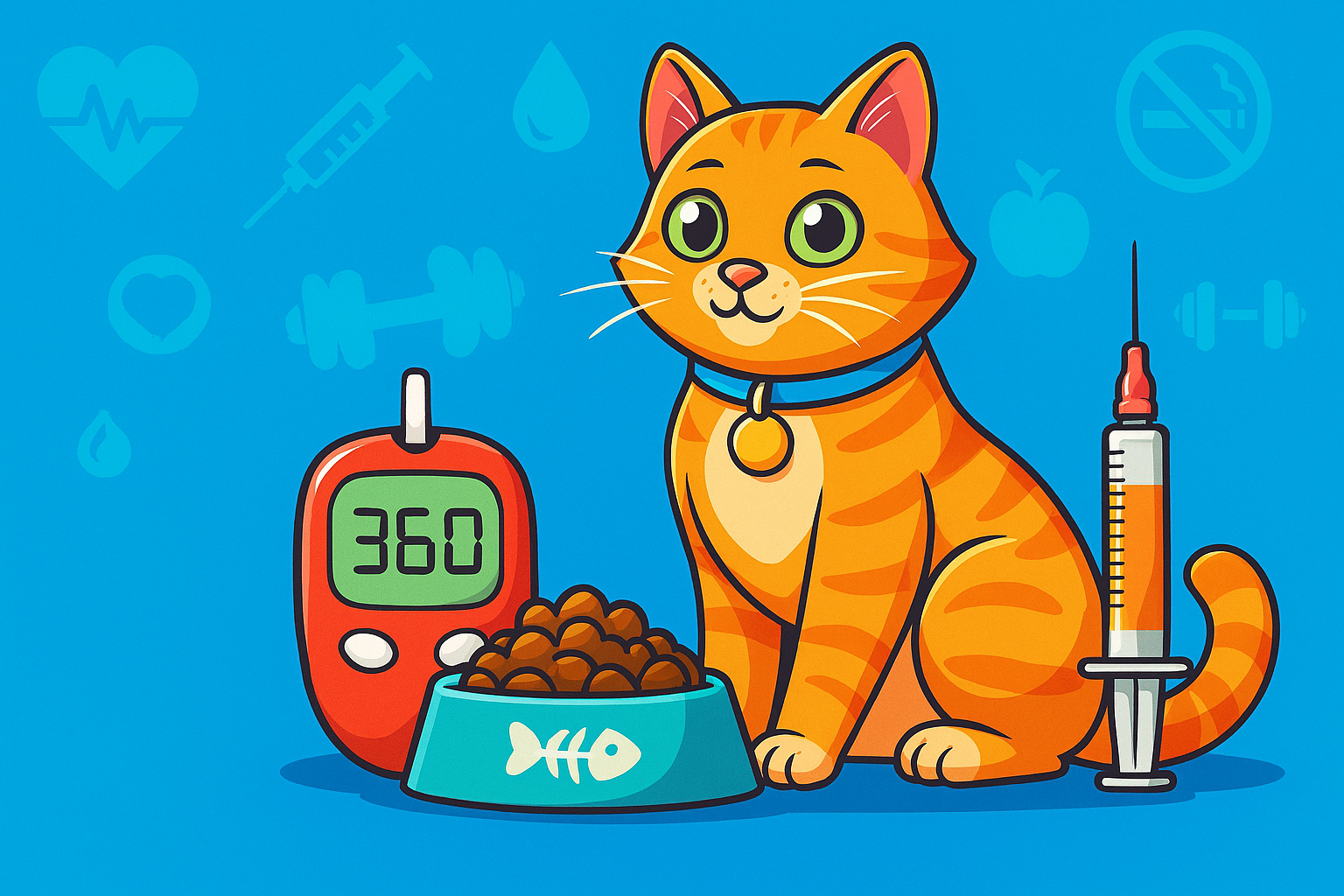
Diabetes in Cats: A Complete Guide for Everyday Pet Parents
Cats are mysterious, graceful, and endlessly entertaining companions. They curl up beside us, chase shadows across the floor, and demand affection on their own terms. But sometimes, their bodies face challenges that even the most attentive owner can’t predict. One of those challenges is diabetes mellitus, a condition that, while serious, is far from hopeless.
This article is written for everyday cat owners. No medical jargon, no intimidating science—just clear explanations, practical advice, and real-world stories. By the end, you’ll understand what feline diabetes is, how to spot it, how to manage it, and how to keep your cat thriving.
Cats are mysterious, graceful, and endlessly entertaining companions. They curl up beside us, chase shadows across the floor, and demand affection on their own terms. But sometimes, their bodies face challenges that even the most attentive owner can’t predict. One of those challenges is diabetes mellitus, a condition that, while serious, is far from hopeless.
This article is written for everyday cat owners. No medical jargon, no intimidating science—just clear explanations, practical advice, and real-world stories. By the end, you’ll understand what feline diabetes is, how to spot it, how to manage it, and how to keep your cat thriving.
Understanding Diabetes in Cats
Diabetes mellitus is a condition where the body struggles to regulate blood sugar (glucose). Normally, the pancreas produces a hormone called insulin, which acts like a key. Insulin unlocks the doors of cells so sugar from the bloodstream can enter and be used for energy.
In diabetic cats, either:
The pancreas doesn’t make enough insulin, or
The body doesn’t respond properly to insulin (insulin resistance).
Think of it this way: sugar is like groceries waiting outside your house. Insulin is the key to unlock the door. In diabetes, the key is missing or the lock is jammed, so the groceries pile up outside (in the blood) instead of being used inside (by the cells).
How Common Is It?
Diabetes affects about 1 in 100 cats during their lifetime. It’s most common in middle-aged to older cats, and male cats seem slightly more prone. The biggest risk factor is obesity—overweight cats are up to four times more likely to develop diabetes.
Case Story: Milo, a 10-year-old tabby, loved lounging and treats. His weight crept up over the years. One day, his owner noticed Milo was draining the water bowl daily and urinating more often. A vet visit confirmed diabetes. Milo’s story is common—and preventable.
Signs to Watch For
The “classic four” symptoms are:
Increased thirst (you refill the water bowl constantly).
Frequent urination (litter box floods or accidents outside).
Weight loss despite eating well.
Increased appetite (always hungry).
Other possible signs include poor coat quality, lethargy, hind leg weakness (walking flat-footed), and vomiting in severe cases.
Tip: Keep a notebook of daily observations. Small changes—like scooping the litter box more often—can be early clues.
Why Does It Happen?
Several factors contribute:
Obesity: Fat cells interfere with insulin.
Age: Older cats are more vulnerable.
Steroid medications: Long-term use can trigger diabetes.
Breed: Burmese cats have higher risk in some regions.
Diagnosis
Your vet will:
Test blood sugar and urine sugar.
Run a fructosamine test (average sugar over 2 weeks).
Rule out other conditions like kidney disease or thyroid problems.
Owner’s Role: Share detailed notes about appetite, thirst, and litter habits. Vets rely on your observations.
Treatment Options
Insulin Injections
Most cats need insulin twice daily. Tiny needles make it painless, and owners can learn to give injections at home.
Step-by-Step Guide:
Draw insulin into syringe.
Lift skin between shoulder blades.
Insert needle quickly.
Push plunger gently.
Praise your cat!
Diet Changes
Low-carb, high-protein diets help regulate sugar. Wet food is usually better than dry. Weight loss is critical for overweight cats.
Oral Medications
New drugs (like SGLT2 inhibitors) are available for some cats. Not suitable for all, but promising.
Living With a Diabetic Cat
Routine is key: feed and inject insulin at consistent times.
Monitoring at Home:
Blood sugar with a glucometer (ear prick).
Track water intake, appetite, and weight.
Watch for Hypoglycemia (low sugar):
Signs: wobbling, weakness, seizures.
Emergency: rub honey on gums and call vet.
Lifestyle Tip: Turn monitoring into bonding. Cats often tolerate ear pricks better if followed by cuddles or play.
Prognosis
With proper care, cats can live long, happy lives. Some cats even go into remission (no longer need insulin). Untreated diabetes is fatal, so early action matters.
Costs & Commitment
Insulin: $25–$100/month.
Special food: $25–$60/month.
Vet visits: variable.
Emotional commitment: daily injections, monitoring, lifestyle changes.
Think of it like caring for a child with a chronic condition. It’s work, but the rewards—love, companionship—are priceless.
Owner FAQs
Q: Can my cat go into remission?
Yes, especially if diagnosed early and managed well.
Q: Is dry food okay?
Usually not—most dry foods are too high in carbs.
Q: What if I miss a dose?
Don’t double up. Resume normal schedule and call your vet if unsure.
Q: Can I travel with a diabetic cat?
Yes, but plan ahead: carry insulin, syringes, and food.
Prevention Tips
Keep cats at a healthy weight.
Feed balanced, low-carb diets.
Encourage daily play and exercise.
Avoid unnecessary steroid use.
Emotional Side of Care
Caring for a diabetic cat can feel overwhelming at first. But most owners find it becomes routine quickly. The bond often deepens—you become more attentive, more connected.
Story Example: Luna’s owner dreaded injections. But after a week, Luna barely noticed, and the owner felt proud of mastering a skill that saved her cat’s life.
Daily Routine Example
Morning:
Feed breakfast.
Give insulin injection.
Quick play session.
Afternoon:
Monitor water intake.
Note appetite.
Evening:
Feed dinner.
Give insulin injection.
Grooming or cuddle time.
Myth vs. Fact
Myth: Diabetes only happens in old cats.
Fact: It can happen at any age, though older cats are more prone.
Myth: Insulin injections are painful.
Fact: Needles are tiny; most cats barely notice.
Myth: Diabetic cats can’t live long lives.
Fact: With care, they can thrive for years.
Holiday edition – caring through the festive season
The holidays are a time of joy, family, and celebration. For cat owners, it’s also a season filled with tempting treats, busy schedules, and cozy traditions. But if your cat has diabetes, the festive season brings unique challenges. Between holiday meals, decorations, and travel, it’s easy to overlook routines—and routine is exactly what a diabetic cat needs most.
This guide explains feline diabetes in plain language, while weaving in holiday‑specific tips to keep your cat safe, healthy, and included in the celebrations.
Holiday Hazards for Diabetic Cats
Festive foods: Turkey skin, gravy, and sugary desserts are dangerous for diabetic cats.
Visitors and noise: Stress can affect appetite and blood sugar.
Travel disruptions: Missed insulin doses or irregular feeding can destabilize diabetes management.
Decorations: Tinsel, ribbons, and candles add risk if cats chew or play unsafely.
Seasonal Care Tips
Stick to Routine
Even during holidays, keep insulin injections and meals at the same times. If dinner is delayed for humans, feed your cat on schedule.
Safe Festive Treats
Instead of sharing human food, prepare cat‑friendly holiday snacks:
Small pieces of plain cooked chicken or turkey breast.
Freeze‑dried meat treats with no carbs.
Special diabetic‑safe pet treats from trusted brands.
Holiday Exercise
Encourage play with festive toys:
Crinkle balls wrapped in holiday colors.
Catnip mice shaped like snowmen.
Interactive laser games to burn calories after big family meals.
Stress Reduction
Create a quiet “holiday retreat” room with:
Litter box, food, and water.
Soft bedding.
A safe space away from noisy guests.
Case Story: Snowball’s Holiday Miracle
Snowball, a 9‑year‑old diabetic cat, lived with a family who loved big Christmas dinners. At first, Snowball begged at the table, and guests slipped him scraps. His blood sugar spiked dangerously. After learning more, the family created a “Snowball‑safe holiday plan”: no scraps, scheduled insulin, and festive cat toys under the tree. Snowball thrived—and even went into remission by spring.
Holiday Travel With a Diabetic Cat
If you’re visiting relatives:
Pack insulin, syringes, food, and glucometer in a cooler bag.
Call ahead to ensure fridge space for insulin.
Keep a written schedule of doses and feeding times.
If boarding, choose facilities experienced with diabetic pets.
Festive Myth vs. Fact
Myth: “It’s okay to give cats holiday leftovers.”
Fact: Human food can destabilize blood sugar and cause pancreatitis.
Myth: “Traveling means I can skip a dose.”
Fact: Missing insulin can be life‑threatening. Always plan ahead.
Emotional Side of Holiday Care
It’s easy to feel guilty when your cat can’t share in the feast. But remember: keeping them safe is the greatest gift. Many owners find joy in creating holiday traditions tailored to their diabetic cats—special toys, safe treats, and extra cuddle time by the tree.
Conclusion
Diabetes in cats is manageable year‑round, but the holidays require extra vigilance. By sticking to routines, avoiding festive food hazards, and creating safe, joyful traditions, you can ensure your cat enjoys the season right alongside you.

From Space to Snuggles: The Friendly Bacterium Behind Astronaut Medicine and Pet Immunity
Introduction: One Tiny Bacterium, Two Big Frontiers
Picture this: astronauts on a mission to Mars, millions of miles from Earth, facing bone loss, radiation damage, and immune suppression. They can’t just call a pharmacy or wait for a resupply. Meanwhile, back on Earth, pet owners worry about their cats and dogs—aging, stressed, or exposed to environmental challenges—needing immune support.
Surprisingly, the same solution could serve both astronauts and pets: a humble soil bacterium called Bacillus subtilis. In space, scientists are engineering it to brew medicines on demand. On Earth, companies like A‑Plus Naturals are harnessing its probiotic power in supplements like the Immunity Blend for cats and dogs, giving pets a safe, science‑backed boost.
This blog explores how Bacillus subtilis is becoming a bridge between futuristic space medicine and everyday pet wellness. We’ll dive into the science, the vision, and the practical applications—keeping the language simple, the analogies vivid, and the story engaging.
Introduction: One Tiny Bacterium, Two Big Frontiers
Picture this: astronauts on a mission to Mars, millions of miles from Earth, facing bone loss, radiation damage, and immune suppression. They can’t just call a pharmacy or wait for a resupply. Meanwhile, back on Earth, pet owners worry about their cats and dogs—aging, stressed, or exposed to environmental challenges—needing immune support.
Surprisingly, the same solution could serve both astronauts and pets: a humble soil bacterium called Bacillus subtilis. In space, scientists are engineering it to brew medicines on demand. On Earth, companies like A‑Plus Naturals are harnessing its probiotic power in supplements like the Immunity Blend for cats and dogs, giving pets a safe, science‑backed boost.
This blog explores how Bacillus subtilis is becoming a bridge between futuristic space medicine and everyday pet wellness. We’ll dive into the science, the vision, and the practical applications—keeping the language simple, the analogies vivid, and the story engaging.
Part 1: Meet Bacillus subtilis, the Friendly Microbe
Most bacteria are seen as villains. But Bacillus subtilis is a hero. Found in soil and plants, it’s safe, versatile, and incredibly resilient.
Spore power: When stressed, it forms spores—tiny survival capsules that can last for years, resisting heat, radiation, and dryness.
Lab darling: Scientists love it because it’s easy to engineer and secretes proteins outside its cells, simplifying purification.
Daily helper: It’s already used in food fermentation, probiotics, and supplements.
Think of Bacillus subtilis as a rugged worker that thrives under tough conditions. In space, it can brew medicines. In your pet’s gut, it can support immunity and digestion.
Part 2: The Problem of Medicines in Space
Astronauts face unique health risks:
Bone loss: Microgravity weakens bones, similar to osteoporosis.
Radiation damage: Cosmic rays harm bone marrow, lowering white blood cell counts.
Immune suppression: Stress and isolation weaken defenses.
Drugs like teriparatide (for bone growth) and filgrastim (for immune recovery) are essential. But here’s the catch: most medicines degrade within 6–12 months. For a Mars mission lasting 2–3 years, that’s unacceptable.
Carrying fragile drugs isn’t feasible. That’s why scientists are exploring “on‑demand” production—making medicines fresh when needed.
Part 3: The Breakthrough—Engineering Bacillus subtilis for Space Medicine
Researchers led by Alec Vallota‑Eastman and colleagues engineered Bacillus subtilis to produce pharmaceutical peptides:
Teriparatide: Stimulates bone growth. One dose produced in 24 hours from just 2 mL of culture.
Filgrastim: Boosts white blood cell recovery. One dose produced in 24 hours from 52 mL of culture.
Spores can be stored for years, then activated to brew fresh doses. Instead of carrying fragile drugs, astronauts could carry lightweight spores—stable, durable, and ready to produce medicine on demand.
This is the foundation of the Astropharmacy: a compact system where astronauts brew medicines like they’d brew coffee.
Part 4: The Astropharmacy Concept
The Astropharmacy envisions a small bioreactor aboard spacecraft:
Drug synthesis – spores grow and produce peptides.
Purification – separating medicine from culture.
Testing – ensuring safety and potency.
Administration – delivering the dose.
Low‑mass, low‑power, and user‑friendly, it’s designed for long missions. Imagine astronauts adding spores, nutrients, and water. Within a day, they have a fresh dose of medicine.
Part 5: Brewing Medicine Like Beer
To make this relatable, think of brewing beer. You start with yeast, add nutrients, and let it ferment. The yeast produces alcohol.
In the Astropharmacy, astronauts start with Bacillus subtilis spores, add nutrients, and let them grow. Instead of alcohol, the bacteria produce medicine. It’s like home‑brewing pharmaceuticals in space.
Part 6: Challenges Ahead
Several hurdles remain:
Scaling production: Current yields are proof‑of‑concept. More optimization is needed.
Purification systems: Must be compact and automated.
Crew training: Astronauts need simple, user‑friendly systems.
Regulatory approval: Medicines produced in space must meet safety standards.
But the foundation is solid. The proof‑of‑concept shows it’s possible. Now it’s about refining the system.
Part 7: Earth Applications—From Remote Areas to Pet Wellness
While designed for space, the Astropharmacy has huge potential on Earth:
Remote areas: War zones, submarines, rural communities.
Personalized medicine: Producing rare drugs affordably.
Rapid response: In pandemics or disasters.
And here’s where pets come in. A‑Plus Naturals Immunity Blend for cats and dogs already uses Bacillus subtilis spores to support health.
Cats: 1/3 scoop supports digestion and immunity.
Dogs: Tailored dosing helps resilience against stress and aging.
Owners: Gain peace of mind knowing their pets benefit from the same science that could one day protect astronauts.
It’s the same principle: durable spores, activated when needed, delivering benefits reliably.
Part 8: Parallels Between Astronauts and Pets
Astronauts lose bone density in microgravity. Pets face inflammation and immune challenges. Both need resilience.
Astronauts: Brew teriparatide and filgrastim in space.
Pets: Receive Bacillus subtilis spores in Immunity Blend, activating in the gut to support immunity.
Different settings, same microbe, same resilience.
Part 9: Storytelling—From Mars Missions to Living Rooms
Imagine an astronaut on Mars, activating spores to brew medicine after radiation exposure. Now imagine a pet owner in the USA, scooping Immunity Blend into their dog’s food to support immunity during winter.
Both scenarios show the versatility of Bacillus subtilis. From soil to stars, from spacecraft to kitchens, this microbe is quietly safeguarding health.
Part 10: Future Vision
Looking ahead:
Space: Self‑sufficient healthcare for Mars missions.
Earth: Portable bioreactors in disaster zones.
Pets: Wider adoption of probiotic supplements like Immunity Blend.
It’s a vision of resilience, sustainability, and innovation.
Conclusion: One Microbe, Many Missions
From brewing medicines in spacecraft to boosting immunity in cats and dogs, Bacillus subtilis is proving to be a versatile ally. The Astropharmacy may one day safeguard astronauts on Mars. Today, A‑Plus Naturals Immunity Blend safeguards pets at home.
It’s a reminder that science isn’t just about distant futures—it’s about practical solutions we can use right now. Whether you’re exploring the stars or caring for your furry companions, this humble bacterium is working quietly to keep life healthier, stronger, and more resilient.
Sources:
Vallota‑Eastman, A., Bui, C., Williams, P. M., Valentine, D. L., Loftus, D., & Rothschild, L. (2023). Bacillus subtilis engineered for aerospace medicine: a platform for on‑demand production of pharmaceutical peptides. Frontiers in Space Technologies.
NASA Technical Reports Server
Takara Bio Blog
Beyond the Scratch: Comparing Natural and Traditional Dog Allergy Treatments
If you’ve ever watched your beloved dog scratch relentlessly, lick their paws raw, or suffer from constant ear infections, you know how heartbreaking canine allergies can be. As a pet parent, you want relief for your furry friend—but you might also worry about the side effects of conventional medications. A groundbreaking 2025 study offers hope, showing that natural treatments might be just as effective as traditional drugs for managing dog allergies.
If you’ve ever watched your beloved dog scratch relentlessly, lick their paws raw, or suffer from constant ear infections, you know how heartbreaking canine allergies can be. As a pet parent, you want relief for your furry friend—but you might also worry about the side effects of conventional medications. A groundbreaking 2025 study offers hope, showing that natural treatments might be just as effective as traditional drugs for managing dog allergies.
Understanding Your Dog’s Allergy Struggle
Before diving into treatment options, let’s understand what’s happening when your dog has allergies. Think of allergies as your dog’s immune system overreacting to normally harmless substances—like a security guard who sounds the alarm for every delivery truck instead of just actual threats.
What Triggers Dog Allergies?
The most common culprits include [1]: - Food proteins: Beef, chicken, pork, and dairy products top the list - Environmental allergens: Pollen, dust mites, and mold - Parasites: Fleas and other external parasites
Recognizing the Signs
Your dog can’t tell you they’re suffering, but their body language speaks volumes. Watch for:
🔍 Key Symptoms to Monitor: - Intense scratching, especially around ears, paws, face, and belly - Red, inflamed skin with possible pustules or scabs - Excessive paw licking or chewing - Chronic ear infections with discharge - Digestive issues like vomiting or diarrhea (in 20-30% of cases)
Important Note: Unlike seasonal human allergies, food allergies in dogs typically cause year-round symptoms that don’t respond to antihistamines.
The Study That’s Changing Everything
Researchers at the University of Veterinary Medicine and Pharmacy in Slovakia conducted a fascinating comparison study that pet owners everywhere should know about [2]. They divided 14 dogs with confirmed food allergies into two groups and tracked their progress over several months.
The Two Approaches Tested
Group 1: Natural Treatment Approach - Acupuncture sessions targeting specific points for inflammation and itching - Herbal therapy using plants like milk thistle and turmeric - Customized nutrition based on Traditional Chinese Medicine principles
Group 2: Conventional Treatment Approach - Prescription medications (Apoquel, Cytopoint) - Antibiotics for secondary infections - Corticosteroids for inflammation - Standard hypoallergenic diet
The Surprising Results
Here’s where it gets exciting for pet parents seeking alternatives: both treatment approaches showed significant improvement in the dogs’ conditions.
What the Blood Tests Revealed
The researchers didn’t just rely on visual observations—they conducted comprehensive blood work before and after treatment. The results were remarkable:
Natural Treatment Group: - Eosinophil levels (allergy indicators) normalized in all dogs - Liver enzyme levels improved significantly - No adverse side effects reported
Conventional Treatment Group: - Similar improvement in allergy markers - Some dogs showed elevated liver enzymes after treatment - Typical medication side effects observed
Real-World Improvements
The study documented specific improvements in each dog:
Natural Treatment Results
Outcome
Dogs 1, 2, 6, 7
Complete elimination of symptoms
Dogs 3, 5
Significant reduction in itching
Dog 4
Resolved skin inflammation, improved paw condition
What This Means for Your Dog
The Natural Approach Advantage
The study suggests several benefits of the natural treatment approach [2]:
1. Holistic Healing: Instead of just suppressing symptoms, natural treatments address underlying imbalances
2. Fewer Side Effects: No reported adverse reactions in the natural treatment group
3. Long-term Benefits: Improved overall health markers beyond just allergy symptoms
Understanding Traditional Chinese Veterinary Medicine
The natural approach used in this study wasn’t random—it was based on thousands of years of Traditional Chinese Medicine principles adapted for animals:
• Acupuncture Points: Specific locations like LI-11 (for swelling and itching) and ST-36 (for overall health)
• Herbal Medicine: Carefully selected plants with anti-inflammatory and immune-supporting properties
• Nutritional Therapy: Foods chosen based on their energetic properties to restore balance
Practical Guidance for Pet Parents
When to Consider Natural Treatments
Natural approaches might be particularly beneficial if your dog: - Has experienced side effects from conventional medications - Suffers from chronic, recurring allergies - Has multiple health issues that could benefit from holistic care - Hasn’t responded well to traditional treatments
Important Safety Considerations
⚠️ Critical Reminders: - Never discontinue prescribed medications without veterinary guidance - Natural doesn’t automatically mean safe—proper dosing and quality matter - Some dogs may need emergency conventional treatment for severe reactions - Always work with qualified practitioners trained in veterinary acupuncture and herbal medicine
Finding the Right Practitioner
Look for veterinarians who are: - Licensed in veterinary medicine - Certified in veterinary acupuncture (through organizations like Chi University) - Experienced in Traditional Chinese Veterinary Medicine - Willing to work collaboratively with your regular vet
The Bigger Picture: Integrative Care
This study doesn’t suggest abandoning conventional medicine—rather, it opens the door to integrative approaches that combine the best of both worlds.
What Integrative Care Looks Like
• Acute situations: Conventional medications for immediate relief
• Long-term management: Natural therapies to address root causes
• Preventive care: Lifestyle and dietary modifications
• Monitoring: Regular check-ups with both conventional and holistic practitioners
Taking Action: Your Next Steps
Immediate Steps You Can Take
1. Document symptoms: Keep a detailed log of your dog’s allergy symptoms, triggers, and patterns
2. Discuss options: Talk with your veterinarian about both conventional and alternative approaches
3. Research practitioners: Look for qualified integrative veterinarians in your area
4. Consider diet: Work with your vet to identify and eliminate potential food allergens
Questions to Ask Your Veterinarian
• “What are the long-term effects of the medications you’re recommending?”
• “Are there any natural approaches that might complement conventional treatment?”
• “Can you refer me to a qualified veterinary acupuncturist?”
• “What dietary changes might help my dog’s condition?”
Hope on the Horizon
The Slovak study represents a growing body of research showing that natural treatments can be effective alternatives or complements to conventional allergy medications. For pet parents who’ve watched their dogs struggle with chronic allergies—and worried about medication side effects—this research offers genuine hope.
The Bottom Line
Your dog’s allergies don’t have to be a life sentence of constant medication and side effects. While conventional treatments remain important tools, natural approaches like acupuncture and herbal therapy show real promise for providing relief while supporting overall health.
The key is finding the right approach for your individual dog, working with qualified practitioners, and maintaining open communication with your veterinary team. With patience and the right care plan, your itchy, uncomfortable dog can find relief and return to the happy, playful companion you know and love.
Remember: every dog is unique, and what works for one may not work for another. The most important thing is to work closely with qualified professionals who can guide you toward the safest, most effective treatment plan for your furry family member.
References
[1] American Kennel Club. (2024). Everything You Need to Know About Dog Food Allergies. https://www.akc.org/expert-advice/nutrition/dog-food-allergies/
[2] Micháľová, A., Takáčová, M., Karasová, M., Kunay, L., Grelová, S., & Fialkovičová, M. (2022). Comparative Study of Classical and Alternative Therapy in Dogs with Allergies. Animals, 12(14), 1832. https://www.mdpi.com/2076-2615/12/14/1832

Turmeric’s Healing Secrets for Cats and Dogs: A Friendly Guide to How It Works
Discover the golden healing power of turmeric for your furry friends! From fighting inflammation to boosting immunity, learn how this ancient spice supports joint health, digestion, and overall wellness in cats and dogs. Perfect for pet parents seeking natural, science-backed solutions. Dive into our friendly guide and see why turmeric is a must-have in pet care.
Turmeric isn’t just a golden spice—it’s a golden opportunity for pet wellness. In this blog post, we’ll explore how turmeric works inside the body (its "mechanism of action" or MOA), why it matters for cats and dogs, and how it supports everything from joint comfort to immune strength. We’ll keep it simple, science-backed, and pet-parent friendly—with a subtle nod to how blends like A-Plus Naturals Immunity Blend harness turmeric’s power.
🌿 What Is Turmeric?
Turmeric is a bright yellow root from the Curcuma longa plant. It’s been used for centuries in cooking and traditional medicine. The magic lies in its active compound: curcumin.
Curcumin is what gives turmeric its color—and its healing power. It’s a natural anti-inflammatory, antioxidant, and immune booster. But how does it actually work?
🧬 Turmeric’s Mechanism of Action (MOA): What Happens Inside the Body
Let’s break it down into simple steps:
1. Fighting Inflammation at the Source
Inflammation is the body’s way of responding to injury or infection. But chronic inflammation can cause joint pain, digestive issues, and even immune dysfunction.
Curcumin blocks inflammatory signals like NF-kB and COX-2 enzymes. These are like fire alarms that keep ringing even when the fire is out.
By calming these signals, turmeric helps reduce swelling and pain—especially in pets with arthritis or allergies.
2. Neutralizing Free Radicals
Free radicals are unstable molecules that damage cells. They’re linked to aging, cancer, and chronic disease.
Curcumin acts as an antioxidant, neutralizing these radicals before they cause harm.
This helps protect organs like the liver and kidneys, which are vital for detoxing the body.
3. Boosting the Immune System
Turmeric helps the immune system stay balanced—not too aggressive, not too weak.
It stimulates white blood cells and enhances antibody responses, making pets more resilient to infections.
4. Supporting Digestive Health
Turmeric stimulates bile production, which helps break down fats and improve digestion.
It also soothes the gut lining, reducing symptoms of bloating or diarrhea.
5. Helping with Blood Sugar and Liver Function
Curcumin improves insulin sensitivity and reduces blood sugar spikes.
It protects liver cells from toxins and supports enzyme function.
🐾 Why This Matters for Cats and Dogs
Turmeric’s MOA translates into real benefits for pets:
🐶 Dogs
Joint support: Older dogs with arthritis feel more mobile.
Skin health: Reduces itching and inflammation.
Digestive ease: Helps with sensitive stomachs.
🐱 Cats
Immune balance: Supports cats prone to respiratory issues.
Liver protection: Especially helpful for aging cats.
Gentle detox: Aids in clearing out environmental toxins.
🧪 How Turmeric Is Absorbed: Bioavailability Tips
Turmeric is powerful—but it’s not easily absorbed on its own. That’s why smart formulations matter.
Fat-soluble: Curcumin absorbs better with healthy fats.
Pepper boost: Piperine (from black pepper) increases absorption by up to 2000%.
Lecithin and oils: Help turmeric stay active longer in the body.
🍽️ How Pet Products Use Turmeric
Turmeric is used in:
Treats and chews
Powders and pastes
Supplements and blends
A-Plus Naturals Immunity Blend includes turmeric as part of a thoughtful formula designed to support immune and gut health in cats and dogs. It’s paired with other ingredients that enhance absorption and target inflammation gently—making it ideal for daily wellness.
⚠️ Safety and Dosage
Turmeric is generally safe, but moderation is key:
Cats: 1/3 scoop (as used in A-Plus Naturals Immunity Blend)
Dogs: Varies by weight—typically 50–100 mg per 10 lbs.
Always introduce turmeric slowly and with food. Watch for signs of stomach upset or allergies.
🧡 Final Thoughts: Golden Spice, Golden Health
Turmeric’s mechanism of action is like a symphony—calming inflammation, boosting immunity, protecting organs, and supporting digestion. For pet parents, it’s a natural way to help cats and dogs thrive.
Whether you’re sprinkling turmeric into meals or using a blend like A-Plus Naturals Immunity Blend, you’re tapping into centuries of wisdom and modern science. And your pets? They’re getting the golden treatment.
#TurmericForPets
#PetWellness
#NaturalPetCare
#HealthyPets
#PetHealthTips
#DogHealth
#CatHealth
#PetImmunity
#HolisticPetCare
#PetSupplements
#CurcuminBenefits
#PetNutrition
Purrs and Prose: Mark Twain’s Birthday with A Plus Pets
Mark Twain may be remembered as America’s greatest humorist, but he was also one of history’s most devoted cat lovers. On his birthday, we celebrate not only his wit and wisdom but also his lifelong affection for felines — from the 19 cats that roamed his home to his beloved Bambino, who once inspired a heartfelt newspaper ad.
This blog explores Twain’s philosophy of independence, curiosity, and companionship through the lens of his cats, and connects it to the modern mission of A‑Plus Pets. Just as Twain nurtured his whiskered companions with humor and care, A‑Plus Pets nurtures cats and dogs today with science‑backed wellness, festive recipes, and joyful campaigns.
Readers will discover:
Twain’s funniest and most touching cat anecdotes
How cats shaped his worldview and storytelling
The parallels between Twain’s devotion and A‑Plus Pets’ products, like the Immunity Blend and anti‑inflammatory cookbook
Practical ways to celebrate Twain’s birthday — from reading his works with a cat on your lap to cooking a pet‑friendly recipe
It’s a celebration of literature, love, and the timeless bond between humans and their pets.
Introduction: A Birthday Worth Purring About
Every November, the literary world lights a candle for Samuel Langhorne Clemens — the man we all know as Mark Twain. His birthday isn’t just a date on the calendar; it’s a chance to revisit the wit, wisdom, and warmth of a writer who shaped American storytelling. Twain gave us Huck Finn, Tom Sawyer, and some of the sharpest one‑liners ever penned. But he also gave us something softer, something furrier: his unabashed love for cats.
Twain adored felines. He lived with them, wrote about them, and even rented kittens when he traveled so he wouldn’t feel lonely. His affection wasn’t a passing fancy; it was a lifelong devotion. And that devotion, surprisingly, connects beautifully with the mission of A‑Plus Pets today.
At A‑Plus Pets, we believe Twain’s feline passion offers timeless lessons for modern pet care. Just as Twain nurtured his cats with affection and humor, we nurture pets with science‑backed wellness, festive recipes, and campaigns that make health joyful. Twain’s birthday is more than a literary milestone — it’s a reminder that caring for pets is an act of love, creativity, and community.
Twain the Cat Enthusiast: More Than Just a Writer
Mark Twain wasn’t just fond of cats; he was obsessed. At one point, he had 19 cats living with him. Imagine walking into his home and being greeted by a chorus of meows, tails flicking, paws padding across manuscripts. Twain gave his cats whimsical names like Apollinaris, Zoroaster, and Blatherskite. Each name reflected his humor and his tendency to see cats as characters in their own right.
He once declared: “When a man loves cats, I am his friend and comrade without further introduction.” That line alone could serve as the motto for every cat lover’s club.
Twain’s cats weren’t background noise. They were part of his daily rhythm. His black cat, Bambino, was so beloved that Twain placed a newspaper ad when the cat went missing, describing him in detail and pleading for his safe return. That ad wasn’t just practical; it was heartfelt. Twain’s grief over Bambino’s disappearance showed how deeply entwined his life was with his pets.
He also had a habit of renting kittens when he traveled. Hotels would sometimes provide him with temporary feline companions, and Twain would spend evenings playing with them, laughing at their antics, and finding comfort in their presence.
This devotion wasn’t performative. Twain genuinely believed cats embodied qualities humans should admire: independence, curiosity, and resilience. He often contrasted cats with dogs, noting that while dogs might be loyal, cats had a dignity and self‑respect that fascinated him.
Cats as Twain’s Philosophical Companions
Twain’s love for cats wasn’t just sentimental; it was philosophical. Cats, to him, represented freedom — the very theme that runs through his novels. Just as Huck Finn floated down the Mississippi in search of liberty, Twain’s cats roamed his home with unbothered independence.
He admired their wit. A cat could outsmart a human, he believed, and often did. He admired their patience, their ability to sit quietly and observe. And he admired their refusal to compromise their dignity. Twain once joked that if you crossed a cat with a dog, you’d get an animal that barked at strangers but still refused to come when called.
In many ways, Twain’s cats were his muses. They reminded him to stay curious, to laugh at life’s absurdities, and to embrace companionship without losing individuality.
This philosophy resonates today. Cats remind us to embrace independence while still seeking connection. They remind us that dignity matters, even in small things. And they remind us that joy often comes in the form of a purr.
A‑Plus Pets: Carrying Forward Twain’s Legacy
Fast‑forward to today. At A‑Plus Pets, we see Twain’s feline devotion as a guiding star. Just as Twain nurtured his cats with affection and humor, we nurture pets with science‑backed wellness and joyful care.
Our Immunity Blend for cats and dogs is carefully formulated to support health during festive seasons. (For cats, the dosage is a simple 1/3 scoop — no matter their weight — because clarity and safety matter.)
Our Paw-Some Plates anti‑inflammatory cookbook for cats and dogs brings science into the kitchen, turning nutrition into a story of love.
Our festive campaigns — trivia slides, recipe book, subscription bundles — echo Twain’s playful spirit, making pet care feel like a celebration rather than a chore.
Twain believed cats deserved dignity. We believe pets deserve care that respects their biology and their joy. That’s why every A‑Plus Pets product is designed not just to nourish but to delight.
Pet Care as Storytelling
Twain was a master storyteller. He could turn a simple anecdote into a parable about human nature. At A‑Plus Pets, we embrace that same storytelling spirit.
When we design a festive campaign — say, a carousel of trivia slides about immunity‑boosting ingredients — we’re not just selling a product. We’re telling a story: about resilience, about joy, about the bond between pets and their humans.
Our recipe book for cats and dogs aren’t just cookbooks. They’re narratives of care, blending science with warmth. Each recipe is a chapter in a larger story of wellness.
Twain’s cats were characters in his life story. Your pets are characters in yours. And A‑Plus Pets is here to help you write those chapters with love, science, and a touch of humor.
Celebrating Twain’s Birthday Today
So how do we honor Twain’s birthday in 2025?
Read his works: Curl up with Tom Sawyer or Huckleberry Finn — and let your cat curl up beside you.
Adopt or rescue a cat: Twain would approve. He believed cats deserved homes filled with affection.
Share pet stories: Post a photo of your cat or dog with a Twain quote.
Cook for your pets: Try a recipe from A‑Plus Pets’ Paw-Some Plates cookbook. Celebrate Twain’s birthday with a meal that’s festive, healthy, and joyful.
Give the gift of wellness: Our subscription bundles and festive immunity blends are modern ways to show pets the same devotion Twain showed his cats.
If you’re near Union, NJ, swing by the Mark Twain Diner — where comfort food meets literary charm. It’s the perfect spot to toast Twain’s birthday with a side of pancakes and pet-friendly conversation.
Twain’s birthday isn’t just about literature. It’s about remembering that love for animals is timeless.
Conclusion: Twain’s Legacy, A‑Plus Pets’ Mission
Mark Twain’s birthday reminds us that greatness isn’t just measured in books written or lectures delivered. It’s measured in the quiet moments — a cat curled on your lap, a paw batting at your pen, a purr echoing through the room.
Twain loved cats because they embodied curiosity, independence, and companionship. At A‑Plus Pets, we carry that torch forward, blending science with storytelling, care with creativity.
To love cats, as Twain did, is to embrace joy. And to care for pets, as A‑Plus Pets does, is to make that joy sustainable, healthy, and festive.
So this November, let’s raise a toast — or perhaps a saucer of milk — to Mark Twain, the cat lover, and to every pet who makes our lives richer.
#MarkTwainBirthday #CatsOfInstagram #PetWellness

From Belly to Bright Eyes: Holiday Gut Health for Cats and Dogs
The holidays are a time of joy, indulgence, and celebration — but for our pets, they can also bring digestive chaos. Between turkey scraps under the table, noisy gatherings, and disrupted routines, the festive season challenges the very foundation of pet wellness: the gut.
Gut health isn’t just about digestion. It’s the control center for immunity, mood, and resilience. This blog explores the biotic trinity — prebiotics, probiotics, and postbiotics — and how they safeguard pets during the holidays. With science-backed examples like Bacillus subtilis, a spore-forming probiotic that thrives even under stress, and Larch arabinogalactan, a powerful prebiotic fiber that fuels beneficial bacteria and boosts immunity, we’ll show how pet parents can gift their companions the ultimate holiday shield.
Festive Angle:
Prebiotics act like the holiday caterers, feeding good bacteria.
Probiotics are the party guests who keep balance in the room.
Postbiotics are the thoughtful gifts left behind, nourishing and protecting long after the feast.
By weaving these biotics into daily routines, pets can enjoy the season with glossy coats, steady digestion, and calm energy — even when festive indulgences sneak their way into the bowl.
Gut Health Deep Dive: Prebiotics, Probiotics & Postbiotics in Pets — And Their Role During the Festive Season
Introduction
The festive season is a time of joy, indulgence, and togetherness. For pet parents, it’s also a period of heightened responsibility. Between holiday feasts, visiting relatives, and disrupted routines, our furry companions often experience stress and dietary changes that can upset their delicate digestive balance.
Gut health is the cornerstone of pet wellness. A strong gut microbiome doesn’t just aid digestion — it fuels immunity, supports skin and coat health, regulates mood, and helps pets adapt to seasonal stressors. In this deep dive, we’ll explore the biotic trinity — prebiotics, probiotics, and postbiotics — and highlight two powerful examples: Bacillus subtilis and Larch arabinogalactan. Together, they form a festive-season shield, keeping pets resilient, happy, and healthy.
Part 1: Why Gut Health Matters in Pets
The microbiome as a control center: Over 70% of immune cells reside in the gut. This means digestive health directly influences immunity.
Signs of imbalance: Diarrhea, constipation, itchy skin, recurrent infections, low energy, or anxiety.
Seasonal stressors: Holiday travel, noisy gatherings, indulgent foods, and colder weather can all destabilize the microbiome.
Festive example: Imagine your dog sneaking turkey skin under the table. Without a resilient gut, this indulgence could lead to diarrhea. With a balanced microbiome, supported by prebiotics and probiotics, digestion stabilizes and the holiday continues without disruption.
Part 2: The Biotic Trinity Explained
🥦 Prebiotics
Definition: Non-digestible fibers that feed beneficial gut bacteria.
Sources: Pumpkin, chicory root, oats, bananas, sweet potatoes.
Benefits:
Fuel probiotics to thrive.
Improve stool quality.
Reduce inflammation.
Festive role: Prebiotics act like “holiday catering” for good bacteria, ensuring they don’t starve when pets’ diets shift.
🦠 Probiotics
Definition: Live beneficial microorganisms that balance the gut microbiome.
Sources: Yogurt, kefir, specialized pet supplements.
Benefits:
Restore gut balance after antibiotics or indulgent meals.
Support immunity.
Reduce diarrhea and bloating.
Festive role: Probiotics are the “party guests” who keep the atmosphere balanced, preventing harmful bacteria from taking over.
✨ Postbiotics
Definition: Functional by-products of probiotic fermentation, including short-chain fatty acids (SCFAs), enzymes, and vitamins.
Benefits:
Strengthen gut lining.
Reduce inflammation.
Provide energy to gut cells.
Act as signaling molecules for immunity.
Festive role: Postbiotics are the “gifts” left behind after the party — nourishing, protective, and long-lasting.
Part 3: Spotlight on Bacillus subtilis
What it is: A spore-forming probiotic bacterium known for its resilience. Unlike fragile strains, Bacillus subtilis survives stomach acid and reaches the intestines intact.
Benefits for pets:
Digestive support: Improves stool quality, reduces gas and bloating.
Immune modulation: Enhances gut barrier integrity and helps fight pathogens.
Stress resilience: Maintains microbial balance during festive disruptions like travel or noisy gatherings.
Postbiotic production: Generates metabolites such as butyrate, which reduce inflammation and nourish gut cells.
Festive role: Bacillus subtilis acts as a “holiday guardian.” When pets sneak rich foods or experience stress, it stabilizes digestion and prevents diarrhea or bloating.
Part 4: Spotlight on Larch Arabinogalactan
What it is: A unique prebiotic fiber derived from the bark of the larch tree.
Benefits for pets:
Feeds probiotics: Ensures colonies like Lactobacillus thrive.
Immune enhancement: Boosts natural killer cells and macrophages, strengthening defenses against seasonal infections.
Gut health: Increases production of SCFAs (butyrate, propionate), reducing inflammation and supporting intestinal lining.
Cancer prevention potential: Research suggests larch arabinogalactan may help inhibit liver cancer cell growth.
Festive role: With dietary changes and stress, larch arabinogalactan acts as a stabilizer — feeding good bacteria so they don’t “starve” and keeping immunity strong during winter gatherings.
Part 5: Festive Season Challenges for Pet Gut Health
🍗 Dietary Indulgences
Pets often sneak festive treats — turkey skin, gravy, sweets — leading to digestive upset.
Sudden diet changes destabilize the microbiome.
🎉 Stress & Routine Disruptions
Guests, travel, fireworks, and altered schedules stress pets, impacting gut balance.
❄️ Seasonal Immunity Needs
Winter brings colds, reduced exercise, and indoor confinement, all of which affect gut and immune resilience.
Part 6: How the Biotic Trinity Helps During the Holidays
Prebiotics (like larch arabinogalactan): Stabilize digestion when pets eat richer foods.
Probiotics (like Bacillus subtilis): Restore balance after indulgences or stress.
Postbiotics: Reduce inflammation and strengthen immunity, protecting against seasonal illness.
Part 7: Practical Tips for Pet Parents
Festive-safe foods: Pumpkin puree, sweet potato chews, banana chips.
Supplements: Choose vet-approved blends with all three biotics, especially those containing Bacillus subtilis and larch arabinogalactan i.e. A-Plus Naturals Immunity Blend for cats and dogs.
Routine: Keep feeding times consistent, even during parties.
Hydration: Ensure pets have access to fresh water.
Emergency prep: Have probiotics on hand for sudden diarrhea.
Part 8: Storytelling Angle — “A Festive Feast Without the Fuss”
Picture this: Your cat curls up by the fireplace while guests enjoy holiday dinner. She’s calm, her coat glossy, her digestion steady — thanks to daily supplementation with prebiotics, probiotics, and postbiotics. Even when she sneaks a bite of turkey, her gut is resilient.
Part 9: Science Meets Festivity
SCFAs like acetate, propionate, and butyrate optimize motility and reduce inflammation.
Probiotics act as guardians, defending against harmful invaders.
Prebiotics ensure these guardians are well-fed.
Postbiotics act as peacekeepers, calming inflammation and strengthening immunity.
Conclusion
Gut health is the cornerstone of pet wellness. By embracing the biotic trinity — prebiotics, probiotics, and postbiotics — pet parents can ensure their companions thrive during the festive season. With Bacillus subtilis and larch arabinogalactan as shining examples, pets gain resilience, joy, and vitality.
This holiday, give your pets the gift of gut health. It’s not just about avoiding tummy troubles — it’s about empowering them to enjoy the season with energy, comfort, and cheer.
🎄 The Festive Pet Lifestyle Blueprint: Nutrition, Stress-Free Travel, and Seasonal Wellness Routines!
✨ Preview: The Festive Pet Lifestyle Blueprint ✨
The holidays bring joy, but for pets they can also mean stress, disrupted routines, and tempting (but unsafe) treats. In this 3000-word guide, we explore how to keep your furry companions healthy and happy all season long — from safe festive recipes and supplement routines to stress-free travel tips and calming home environments.
Discover a 7-day festive wellness plan, science-backed calming strategies, and creative bonding rituals that make pets part of the celebration. Whether you’re baking holiday cookies, hitting the road, or hosting guests, this blueprint ensures your pets thrive during the most wonderful time of the year.
Introduction: Pets in the Festive Season
The holidays sparkle with joy, laughter, and togetherness. For pet parents, though, they also bring a unique set of challenges. Imagine the scene: the living room glows with twinkling lights, the kitchen fills with the aroma of roasted turkey, and guests arrive with hugs and chatter. In the middle of it all, your dog is pacing nervously, or your cat has retreated under the bed.
The festive season is a time of indulgence and disruption. Routines shift, diets change, and travel plans pull families — and their pets — in new directions. After exploring supplements and travel in depth, this post completes the trilogy with a festive lifestyle blueprint: a holistic guide to integrating nutrition, mobility, and wellness routines into your pet’s holiday season.
Think of it as a roadmap for balance. Just as humans need grounding rituals to stay healthy during the holidays, pets thrive when their nutrition, environment, and daily routines remain steady. This blueprint blends science, storytelling, and practical tips to help you keep your furry companions nourished, calm, and joyfully included in the celebrations.
Holiday Nutrition & Treats
Safe vs. Unsafe Festive Foods
Every holiday table is a temptation. Dogs and cats are masters of the “pleading eyes” routine, and it’s easy to slip them a bite of whatever’s on your plate. But festive foods can be a minefield.
Safe indulgences: plain turkey (no skin or seasoning), carrots, pumpkin purée, and green beans. These are nutrient-rich and gentle on digestion.
Danger zones: chocolate, grapes, raisins, onions, garlic, alcohol, and fatty trimmings. These can cause anything from mild stomach upset to life-threatening toxicity.
Anecdote: One Christmas, a friend’s Labrador managed to snatch a slice of fruitcake left unattended on the coffee table. Within hours, the dog was at the emergency vet — raisins are highly toxic. That incident became a cautionary tale in their family, and now they keep festive foods strictly out of reach.
Integrating Supplements
Supplements act as the nutritional anchor during festive chaos. If your pet is already on an immunity blend or joint support formula, consistency is key. Stress, travel, and dietary changes can weaken resilience, so maintaining supplement routines helps stabilize their health.
Think of supplements as the “quiet guardians” of wellness. Even when meals vary — a little turkey here, a festive treat there — supplements ensure pets get the micronutrients they need.
DIY Festive Recipes
Holiday cooking can include pets too. A few simple recipes bring them into the celebration safely:
Pet-safe cookies: oat flour, pumpkin, and a dash of cinnamon (avoid nutmeg).
Holiday broth: simmer turkey bones with carrots and parsley, strain carefully, and serve as a warm topper for kibble.
Frozen treats: yogurt and blueberries poured into festive molds, frozen overnight.
These recipes not only delight pets but also create bonding moments. Imagine baking cookies with your kids, then setting aside a tray for the dog — suddenly, the pet is part of the tradition.
Travel Meets Routine
Maintaining Schedules
Pets thrive on predictability. When travel disrupts routines, anxiety often follows. Feeding and supplement times should remain consistent, even across time zones. Portable pill organizers or scoop containers make it easy to keep track.
Anecdote: A cat owner once shared how their Siamese became restless during a holiday road trip. The breakthrough came when they set alarms to feed and supplement at the same times as at home. The cat settled, recognizing the familiar rhythm despite the unfamiliar surroundings.
Portable Wellness Kits
Think of a wellness kit as your pet’s holiday suitcase. Essentials include:
Collapsible bowls
Hydration packs
Supplements in labeled containers
Calming sprays or pheromone diffusers
A favorite toy or blanket
This kit becomes a lifeline during travel. On a long drive, pulling out the familiar blanket can instantly soothe a nervous dog.
Home Environment & Stress Management
Guests & Noise
The holidays often mean a revolving door of visitors. For pets, this can feel overwhelming. Creating a “safe zone” — a quiet room with bed, water, and toys — gives them a retreat.
Anecdote: One family hosted a New Year’s Eve party with fireworks outside. Their terrier spent the evening in a bedroom outfitted with a white-noise machine and chew toys. While the humans celebrated, the dog snoozed peacefully.
Decorations & Hazards
Holiday décor is beautiful but risky. Tinsel, ribbons, candles, and certain plants (poinsettias, lilies) can be dangerous. Secure wires, keep ornaments out of reach, and choose pet-safe alternatives.
Science-Backed Calming Strategies
Enrichment toys: puzzle feeders redirect anxious energy.
Structured play sessions: short bursts of fetch or chase release tension.
Calming supplements: chamomile or valerian blends can ease stress.
Festive Routines & Bonding
Daily Rituals
Rituals anchor pets in the chaos. A morning walk or play session sets the tone. An evening cuddle or grooming ritual signals calm.
Anecdote: A cat owner described how brushing their Maine Coon every evening became a holiday ritual. Amid the noise of guests and decorations, the cat anticipated that quiet bonding time, visibly relaxing as the brush moved through its fur.
Building Resilience
Routines build trust. Just as apprentices thrive on structure, pets thrive on predictable cues. When the world feels chaotic, routines reassure them that their needs are met.
Creative Touch
Color psychology adds flair. Calming blues in pet spaces, energizing reds in play zones. Festive décor can be pet-safe: chew-proof stockings, wreaths made of felt instead of pine needles.
Actionable Blueprint: 7-Day Festive Wellness Plan
Day 1: Prep wellness kit, confirm supplement stock.
Day 2: Set up safe zone at home.
Day 3: Bake pet-safe festive treats.
Day 4: Practice short travel routines (car rides, crate time).
Day 5: Introduce calming enrichment toys.
Day 6: Host a “quiet evening” bonding ritual.
Day 7: Review checklist, adjust routines.
A printable checklist makes this plan easy to follow.
Conclusion: Completing the Trilogy
Supplements provide the foundation. Travel ensures mobility and safety. Lifestyle routines integrate both into a festive, balanced whole. By following this blueprint, pet parents can enjoy the holidays knowing their furry companions are thriving — nourished, calm, and joyfully included in the season’s celebrations.
🎯 Festive Pet Wellness
✅ Download the Festive Paw-Some Plates Recipe eBook for cats and dogs
Safe, science-backed holiday recipes including Thanksgiving recipes and treats your pets will love available or purchase on our website at https://apluspets.net
📬 Sign Up and email subscribe for Wellness Updates at https://apluspets.net
Stay ahead with seasonal care tips, guides, and exclusive insights.
Enjoy 50% OFF with email subscription until December 1 on entire store!
💡 Skip the guesswork: a gift card is always the right fit.
Gift cards ($25-$100) available at https://apluspets.net
🐾 Share Your Festive Pet Routines
Join the community, inspire others, and showcase how you keep pets thriving. Tag and follow us on Instagram at @aplusimmunity
✨ Together, let’s make this season brighter, healthier, and more joyful for pets and their families!

🐾 The Ultimate Guide to Traveling with Pets This Season (Plus Safe Foods & a FREE Gift for You!)
The holiday season is here, and for many of us, that means festive trips, family gatherings, and cozy getaways. But what about our furry companions? Pets are family too, and more than ever, people are choosing to bring their cats and dogs along for the ride. Traveling with pets can be joyful, but it requires preparation, patience, and a sprinkle of creativity.
This guide is your all-in-one resource for safe, stress-free, and fun pet travel this season. From packing essentials to safe holiday foods, we’ll cover everything you need to know. And because we believe in making pet wellness delicious, we’re offering our Paw-Some Plates cookbook FREE when you subscribe to email updates on our website. It’s packed with festive, science-backed recipes your pets will love.
✈️ Introduction: Why Traveling With Pets Matters
The holiday season is here, and for many of us, that means festive trips, family gatherings, and cozy getaways. But what about our furry companions? Pets are family too, and more than ever, people are choosing to bring their cats and dogs along for the ride. Traveling with pets can be joyful, but it requires preparation, patience, and a sprinkle of creativity.
This guide is your all-in-one resource for safe, stress-free, and fun pet travel this season. From packing essentials to safe holiday foods, we’ll cover everything you need to know. And because we believe in making pet wellness delicious, we’re offering our Paw-Some Plates cookbook FREE when you subscribe to email updates on our website. It’s packed with festive, science-backed, anti-inflammatory recipes your pets will love.
🚗 Section 1: Planning Your Pet-Friendly Trip
1.1 Choosing the Right Destination
Pet-friendly accommodations: Look for hotels, Airbnbs, or rentals that welcome pets. Bonus points if they offer pet beds or treats.
Outdoor access: Parks, trails, and open spaces make travel more enjoyable for pets.
Local regulations: Check leash laws, vaccination requirements, and pet policies before you go.
1.2 Preparing Your Pet for Travel
Vet check-up: Schedule a seasonal wellness exam to ensure your pet is fit for travel.
Vaccinations & paperwork: Keep records handy, especially if crossing state or country borders.
Microchip & ID tags: Update contact info in case of emergencies.
1.3 Packing Essentials
Here’s a quick checklist:
Food & water bowls
Leash, harness, and collar
Pet-safe wipes and grooming tools
Travel crate or carrier
Favorite toys and blankets
Medications and supplements
🛫 Section 2: Modes of Travel
2.1 Road Trips
Safety first: Use a crash-tested harness or secured crate.
Frequent breaks: Stop every 2–3 hours for potty and stretch time.
Temperature control: Never leave pets unattended in cars.
2.2 Air Travel
Cabin vs. cargo: Small pets may travel in-cabin; larger pets often go in cargo.
Airline policies: Each airline has unique rules—research before booking.
Acclimation: Help your pet get used to their carrier weeks before the flight.
2.3 Train & Bus Travel
Amtrak & regional lines: Many allow small pets with reservations.
Comfort items: Bring a blanket or toy to ease anxiety.
🎄 Section 3: Seasonal Safety Tips
3.1 Holiday Hazards
Decorations: Tinsel, ribbons, and ornaments can be choking hazards.
Candles & fireplaces: Keep pets away from open flames.
Crowds & noise: Create a quiet retreat space for pets during gatherings.
3.2 Weather Considerations
Cold climates: Pack sweaters, booties, and paw balm.
Warm climates: Ensure shade, hydration, and avoid hot pavement.
🍽️ Section 4: Safe Foods for Pets This Season
Holiday tables overflow with tempting treats—but not all are safe for pets. Here’s your go-to guide:
4.1 Safe Foods for Dogs
Turkey (plain, cooked, no bones or seasoning)
Pumpkin & sweet potato (plain, cooked)
Carrots & green beans
Apples (no seeds)
Oats & rice
4.2 Safe Foods for Cats
Cooked chicken or turkey (plain, no seasoning)
Salmon (cooked, boneless)
Eggs (scrambled or boiled, no seasoning)
Pumpkin puree
Blueberries (in moderation)
4.3 Foods to Avoid
Chocolate
Grapes & raisins
Onions & garlic
Alcohol
Xylitol (found in sugar-free treats)
🥳 Section 5: Festive Pet-Safe Holiday Recipes for dogs and cats
🎄 Holiday Turkey Bites for Dogs
Lean turkey mixed with pumpkin and oats, baked into festive shapes
Ingredients
1 cup cooked lean ground turkey (no seasoning, skin, or bones)
½ cup plain pumpkin puree (not pie filling)
1 cup rolled oats (unsweetened)
1 egg (optional, for binding)
Instructions
Preheat oven to 350°F (175°C).
In a mixing bowl, combine turkey, pumpkin, oats, and egg until well blended.
Roll mixture into small balls or press into festive cookie cutters (bone, star, or tree shapes).
Place on a parchment-lined baking sheet.
Bake for 20–25 minutes until firm and lightly golden.
Cool completely before serving.
Storage
Refrigerate in an airtight container for up to 5 days.
Freeze for up to 2 months; thaw before serving.
Serving Suggestion
Offer 1–2 bites as a treat depending on your dog’s size.
❄️ Winter Salmon Delight for Cats
Flaked salmon with pumpkin puree, topped with a sprinkle of catnip
Ingredients
½ cup cooked salmon (boneless, skinless, no seasoning)
2 tbsp plain pumpkin puree
1 tsp dried catnip (optional garnish)
Instructions
Bake or poach salmon until fully cooked, then flake into small pieces.
Mix salmon with pumpkin puree until smooth.
Spoon into a small dish or mold into festive shapes using silicone molds.
Sprinkle lightly with catnip before serving.
Storage
Refrigerate in a sealed container for up to 3 days.
Do not freeze (texture changes).
Serving Suggestion
Serve 1–2 tbsp per meal as a topper or special treat.
🍠 Sweet Potato Chews
Oven-baked strips for a chewy, healthy snack (safe for dogs and cats)
Ingredients
1 large sweet potato (washed, peeled optional)
Instructions
Preheat oven to 250°F (120°C).
Slice sweet potato into thin strips (¼ inch thick).
Place strips on a parchment-lined baking sheet.
Bake for 2–3 hours, flipping halfway, until chewy and slightly crisp at edges.
Cool completely before serving.
Storage
Store in an airtight container for up to 2 weeks.
For longer storage, refrigerate and reheat briefly before serving.
Serving Suggestion
Offer 1–2 strips as a chew treat.
👉 Want more recipes? Subscribe to our email updates and get Paw-Some Plates: The ultimate anti-inflammatory cookbook for cats and dogs FREE.
🧳 Section 6: Emotional Wellness on the Road
Travel can be stressful for pets. Here’s how to keep them calm:
Routine: Stick to familiar feeding and walking schedules.
Comfort items: Bring their favorite blanket or toy.
Positive reinforcement: Reward calm behavior with treats.
Quiet zones: Create a safe retreat in your hotel room or rental.
🌍 Section 7: Building Memories Together
Traveling with pets isn’t just about logistics—it’s about joy. Imagine your dog bounding through snowy trails or your cat curling up by a cabin fireplace. These shared experiences strengthen bonds and create lasting memories.
📚 Section 8: Your Free Gift – Paw-Some Plates Cookbook
We believe pet wellness should be festive, fun, and science-backed. That’s why we created Paw-Some Plates, a cookbook filled with safe, delicious recipes for cats and dogs.
🎁 Get it FREE when you subscribe to email updates on our website.
You’ll receive:
Seasonal recipes for pets
Wellness tips
Exclusive travel guides
Updates on new launches
📝 Conclusion
Traveling with pets this season can be magical—with the right preparation, safe foods, and a dash of creativity. Whether you’re hitting the road, flying across the country, or cozying up in a cabin, your pets deserve to be part of the adventure.
So pack the essentials, plan ahead, and don’t forget to grab your FREE Paw-Some Plates cookbook by subscribing today. Because the holidays are better when shared with wagging tails and purring companions.
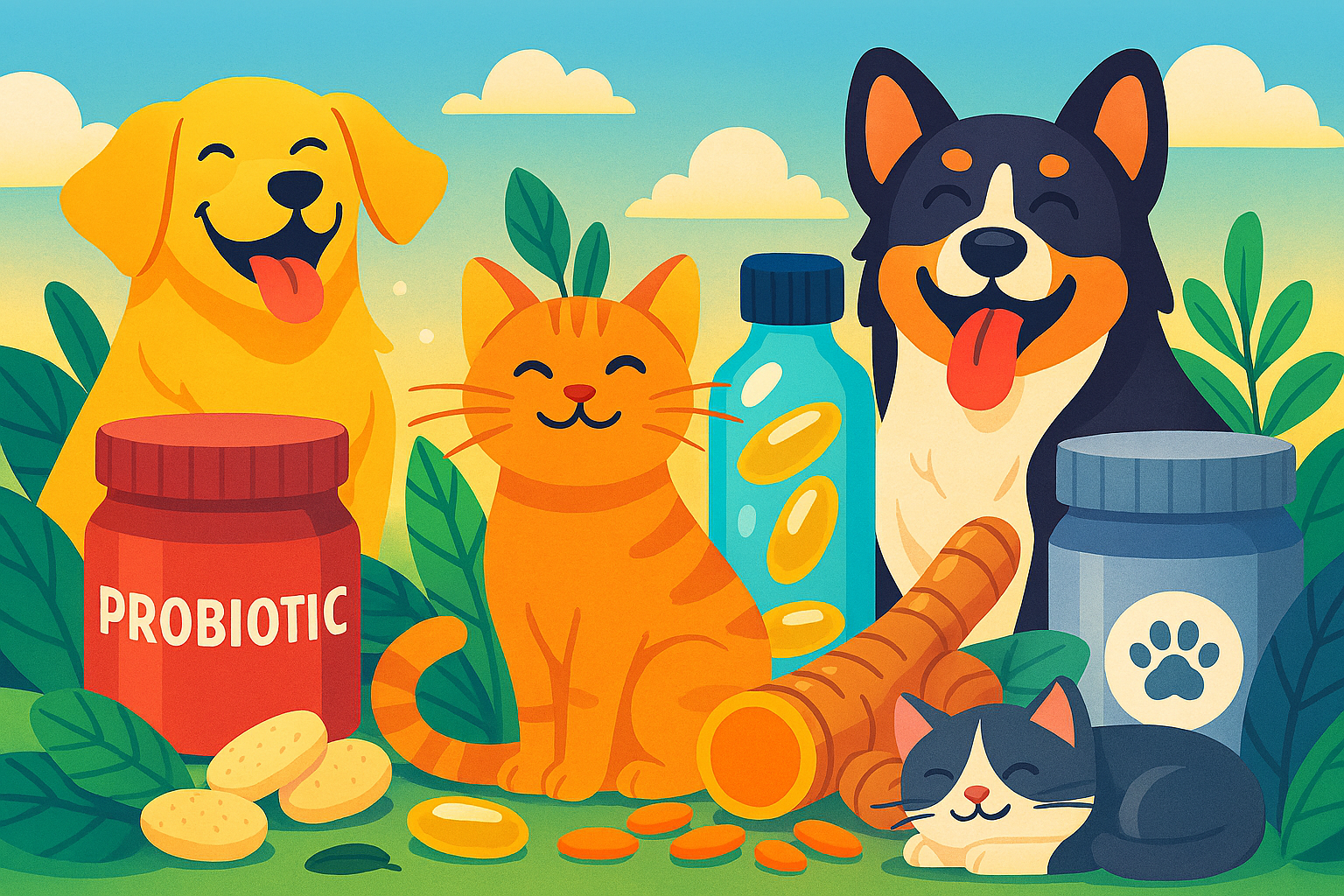
🐾 The Future of Pet Wellness: A Deep Dive into Supplements, Science, and the Humanization of Our Furry Friends
Walk into any pet store today and you’ll see more than kibble and chew toys—you’ll find aisles lined with probiotics, omega-3 oils, calming chews, and multivitamins designed specifically for cats and dogs. The pet supplement market has exploded into a $2.5 billion industry, reflecting a cultural shift: pets are no longer “just animals.” They are family.
According to Pew Research, 97% of pet owners consider their pets part of the family, and more than half treat them as human family members. This emotional bond is driving a wave of innovation in pet nutrition, mirroring human wellness trends. From joint health to gut microbiome support, supplements are becoming essential tools for proactive pet care.
This blog post explores the insights from Natural Products Insider’s July 2024 deep dive into pet supplements, weaving together market data, science, consumer behavior, and product innovation.
Introduction: Pets as Family, Wellness as Priority
Walk into any pet store today and you’ll see more than kibble and chew toys—you’ll find aisles lined with probiotics, omega-3 oils, calming chews, and multivitamins designed specifically for cats and dogs. The pet supplement market has exploded into a $2.5 billion industry, reflecting a cultural shift: pets are no longer “just animals.” They are family.
According to Pew Research, 97% of pet owners consider their pets part of the family, and more than half treat them as human family members. This emotional bond is driving a wave of innovation in pet nutrition, mirroring human wellness trends. From joint health to gut microbiome support, supplements are becoming essential tools for proactive pet care.
This blog post explores the insights from Natural Products Insider’s July 2024 deep dive into pet supplements, weaving together market data, science, consumer behavior, and product innovation.
Section 1: The Market Has the Zoomies 🐕💨
The pet supplement market is growing like an English Mastiff puppy—fast and unstoppable.
Market size: $2.49 billion in 2023, projected CAGR of 4.9% through 2030 (Grand View Research).
Pet ownership: 87 million Americans own pets, a 56% increase since 1988.
Insurance trends: $3.9 billion in pet health insurance premiums in 2023, showing owners’ willingness to invest in health.
Pet parents are no longer satisfied with annual vet visits. They want preventive care—from dental hygiene to joint support—mirroring the human wellness movement. As Reshma Rathi of Specialty Enzymes & Probiotics put it:
“Pet owners want to optimize all areas of health—from dental hygiene and good digestion to muscle, joint, immune, and gut health.”
This proactive mindset is reshaping the supplement landscape.
Section 2: Humanization of Pets 🧑🤝🧑🐾
The humanization of pets is the megatrend driving innovation. Owners feed pets human-grade food, name them after family members, and now supplement their diets with the same functional ingredients they take themselves.
Probiotics: Just as humans embrace gut health, probiotics for pets are booming (+78% growth).
Joint health: Glucosamine, chondroitin, and MSM are staples for aging or active pets.
Omega-3s: Fish oil and DHA support cardiovascular and skin health.
Calming aids: L-theanine sales are up 38%, reflecting demand for stress relief during fireworks or separation anxiety.
Kyle Mener of SPINS notes that retail data shows pet supplements increasingly mirror human wellness categories—immune resilience, digestion, anxiety, and longevity.
Section 3: Science Behind the Supplements 🔬
Pet supplements are not just marketing fluff; they’re backed by growing scientific evidence.
Key Ingredients and Research:
Curcumin (Curcuwin Paws): Supports joint health, muscle strength, inflammation balance, and immune resilience.
Probiotics (BPL1, Lactiplantibacillus plantarum): Improve gut microbiota, oral health, and digestion.
Spirulina: Enhances immune response and gut stability in dogs.
Astaxanthin: A powerful antioxidant reducing age-related oxidative stress in dogs and cats.
PEA (Palmitoylethanolamide): Anti-inflammatory compound studied for arthritis and skin conditions.
Blake Ebersole’s Science Now column emphasizes that many nutrients beneficial for humans—omega-3s, probiotics, turmeric—are equally valuable for pets. The challenge lies in dosage, safety, and formulation.
Section 4: Consumer Demographics and Motivations 📊
Jon Copeland’s survey of pet supplement shoppers reveals fascinating insights:
Species-specific needs:
Dog owners prioritize joint health (40%) and skin/coat (37%).
Cat owners focus more on urinary/kidney health (22%) and immunity.
Science matters: 25% of shoppers gain confidence from “vet recommended” claims; 22% from “clinically proven.”
Biotics awareness: 86% of shoppers are familiar with probiotics; fewer understand prebiotics (27%) or postbiotics (9%).
Shopping habits: Chewy.com and Amazon dominate, but brick-and-mortar stores remain strong.
Format preferences:
Dogs: soft chews and functional treats.
Cats: soft chews and gravy-like toppers.
This data underscores the importance of science-backed messaging and format innovation in winning consumer trust.
Section 5: Marketing Insights—Supplements as Family Care ❤️
EJ Hullverson highlights that pet wellness is a family matter. Owners want supplements that align with their own values: clean label, sustainable, clinically tested.
Trusted sources: Veterinarians and pet store employees rank higher than social media influencers.
Formats gaining traction:
Soft chews (cold-extrusion preserves nutrients and flavor).
Powders/sachets (convenient, portion-controlled, calorie-free).
Top supplement categories: Calming, dental, mobility, digestion, longevity, skin/coat, and general wellness.
Brands that deliver science-backed, premium, and convenient solutions are poised to capture loyalty.
Section 6: Trends on the Rise (and Decline) 📈📉
SPINS retail data reveals winners and losers in the pet supplement aisle:
Rising:
L-theanine (+37.7%)
Turmeric (+11.6%)
Pumpkin (+19%)
Probiotics (+6.1%)
DHA/fish oil (+6.1%)
Declining:
CBD (-14%)
Flax seed/oil (-12.9%)
Chlorophyll/chlorella (-22.9%)
Digestive enzymes (-8.6%)
Homeopathic remedies (-10.8%)
The decline of CBD reflects regulatory uncertainty and consumer skepticism, while the rise of probiotics and turmeric shows alignment with human wellness trends.
Section 7: Product Innovation Spotlight 🌟
Several innovative products stand out:
Curcuwin Paws (OmniActive): Clinically studied curcumin for canine joint health.
Bundle + Joy Glowing: Organic kelp, turmeric, omega-3s for skin health.
Furbaby Multivitamin: Comprehensive powder with glucosamine, chondroitin, and biotin.
Ready Pet Go! Joint & Hip Mobility: Soft chews with glucosamine, MSM, chondroitin, turmeric, and hyaluronic acid.
Yellow Yak Treats: Bacon-flavored chews with probiotics and prebiotics.
These products reflect the fusion of science, flavor, and convenience—critical for consumer adoption.
Section 8: Challenges and Opportunities ⚖️
Despite growth, the pet supplement industry faces hurdles:
Regulatory barriers: Higher safety standards for animal ingredients slow innovation.
Consumer education: Many owners confuse human supplements with pet-safe formulations.
Market saturation: With so many products, differentiation requires strong branding and science.
Affordability: Supplements can be costly, raising equity concerns for lower-income pet owners.
Opportunities lie in:
Microbiome research: Gut-brain and gut-skin axis applications.
Longevity supplements: Targeting aging pets with antioxidants and joint support.
Functional treats: Combining indulgence with health benefits.
Veterinary partnerships: Building trust through professional endorsements.
Section 9: The Emotional Core of Pet Wellness 🐶🐱
Todd Runestad’s personal story of Utah, his shepherd/dingo mix, illustrates the emotional driver behind supplements. Watching a beloved pet age with hip dysplasia or anxiety during fireworks motivates owners to seek solutions.
Supplements are not just about science—they’re about love, loyalty, and the desire to extend companionship. Whether it’s fish oil for a shiny coat or probiotics for digestive comfort, these products embody the human commitment to giving pets their best lives.
Conclusion: Sit. Stay. Thrive.
The pet supplement industry is at a crossroads of science, consumer demand, and emotional connection. With nearly three-quarters of U.S. pet owners interested in buying supplements, the future is bright.
Brands that succeed will:
Align with human wellness trends.
Deliver clinically backed, vet-endorsed products.
Innovate with formats like soft chews and powders.
Communicate with transparency and empathy.
Ultimately, supplements are more than products—they’re promises. Promises that our furry companions will live longer, healthier, happier lives.
🐾 Understanding Canine Lymphoma: A Complete Guide for Dog Owners
Lymphoma in dogs is one of the most common canine cancers, affecting the lymphatic system and often presenting as swollen lymph nodes. While serious, it can be managed with veterinary care, and many dogs respond well to treatment.
📌 What Is Lymphoma in Dogs?
Definition: Lymphoma is a cancer of the lymphocytes, which are white blood cells that help fight infection merckvetmanual.com vcahospitals.com.
Where it occurs: Because lymphocytes travel throughout the body, lymphoma can appear in lymph nodes, spleen, liver, bone marrow, intestines, skin, or chest akc.org webmd.com.
Prevalence: It accounts for 15–20% of all canine cancers and is most common in middle-aged to older dogs vcahospitals.com.
Types:
🐕 Symptoms Owners Should Watch For
Swollen lymph nodes (under jaw, behind knees, armpits, groin) dogcanceracademy.org
Weight loss and loss of appetite akc.org dogcanceracademy.org
Lethargy and weakness dogcanceracademy.org
Vomiting, diarrhea, abdominal pain (if intestines are involved) akc.org
Coughing or breathing difficulty (if chest is involved) webmd.com
Skin lesions – scaly patches, nodules, or sores (cutaneous lymphoma) dogcanceracademy.org
👉 These signs are often painless, which is why lymphoma can sneak up unnoticed.
🩺 How Lymphoma Is Diagnosed
Veterinarians use several tests:
Fine Needle Aspirate (FNA): A quick test where cells are taken from a lymph node and examined under a microscope vcahospitals.com akc.org.
Biopsy: A tissue sample is surgically removed for detailed analysis merckvetmanual.com vcahospitals.com.
Bloodwork & Imaging: To check organ function and spread akc.org.
Immunophenotyping: Determines if the cancer is B-cell or T-cell, which affects prognosis vcahospitals.com.
Staging: Ranges from Stage I (single lymph node) to Stage V (bone marrow or multiple organs) akc.org webmd.com.
💉 Conventional Treatments
1. CHOP Protocol
What it is: A multi-drug chemotherapy regimen using Cyclophosphamide, Doxorubicin, Vincristine, and Prednisone imprimedicine.com.
Effectiveness: Considered the gold standard, with remission rates of 50–95% imprimedicine.com.
Duration: Usually 19–25 weeks of treatment uwveterinarycare.wisc.edu.
Side effects: Dogs tolerate chemo better than humans. Mild vomiting, diarrhea, or decreased appetite may occur imprimedicine.com bsavalibrary.com.
2. Lomustine (CCNU)
What it is: An oral chemotherapy drug often used for cutaneous lymphoma or as a rescue therapy when CHOP stops working thevetiverse.com vin.com.
Dosage: Typically given every 3–6 weeks vin.com.
Side effects: Can cause liver toxicity, so vets often prescribe liver support supplements like Denamarin thevetiverse.com.
3. Other Options
Prednisone alone: Provides temporary relief but only extends life by weeks vcahospitals.com.
Radiation therapy: Used for localized lymphoma amcny.org.
New drugs: Rabacfosadine (Tanovea) is FDA-approved for canine lymphoma thevetiverse.com.
🌱 Integrative & Holistic Care
While chemotherapy is the backbone of treatment, integrative care can help dogs live longer and feel better.
Nutrition
Low-carb diets: Cancer cells thrive on sugar, so reducing carbs may help barfworld.com.
High-quality protein: Supports muscle mass and immune function barfworld.com.
Healthy fats: Omega-3 fatty acids from fish oil reduce inflammation veterinarysecrets.com barfworld.com.
Natural Supplements
Medicinal mushrooms (Reishi, Turkey Tail): Boost immune system veterinarysecrets.com.
Dandelion root: Studied for blood cancers like lymphoma veterinarysecrets.com.
CBD oil: Helps with pain, appetite, and possibly cancer cell suppression veterinarysecrets.com.
Antioxidants (Vitamin C, E, green tea extract): Support cellular health veterinarysecrets.com.
Melatonin: Helps regulate sleep and acts as an antioxidant veterinarysecrets.com.
Supportive Care
Probiotics: Aid digestion during chemo thevetiverse.com.
Liver support (milk thistle, Denamarin): Protects against lomustine toxicity thevetiverse.com.
Hydration & gentle exercise: Maintain energy and comfort.
🐾 Quality of Life Considerations
Remission vs. Cure: Lymphoma is rarely cured, but remission can give dogs months to years of good life thevetiverse.com.
Average survival:
No treatment: 1–2 months vcahospitals.com
Prednisone only: 4–6 weeks vcahospitals.com
CHOP protocol: 12–18 months imprimedicine.com thevetiverse.com
Lomustine: 3–6 months (sometimes longer) vin.com avmajournals.avma.org
Comfort care: Even when cure isn’t possible, integrative support can make a dog’s remaining time joyful.
📝 Final Thoughts
Lymphoma in dogs is a serious but manageable cancer. With early diagnosis, effective chemotherapy protocols like CHOP or lomustine, and integrative care using nutrition and supplements, many dogs can enjoy extended survival and a better quality of life.
As a dog parent, your role is to:
Watch for early signs.
Work closely with your vet and possibly a veterinary oncologist.
Support your dog with good nutrition, supplements, and lots of love.
🚀 From Curie to Cosmos: How Science Powers Pet Wellness!
Marie Curie’s brilliance illuminated the path of modern science, reminding us that discovery is a gift to all humanity. On her birthday, we honor her legacy by exploring One Health, the philosophy that unites humans, animals, and the environment. From NASA-inspired antioxidant research to immune-strengthening innovations like A-Plus Naturals, this story celebrates resilience, interconnectedness, and the power of prevention.
Today, as we celebrate the birthday of Marie Curie, one of the greatest scientific revolutionaries of all time, it feels fitting to reflect on the interconnectedness of health, science, and innovation. Curie’s pioneering work in radioactivity not only transformed medicine but also laid the foundation for a mindset that continues to inspire modern research: the belief that science can bridge disciplines, heal communities, and empower future generations. This philosophy resonates deeply with the concept of One Health, a framework that recognizes the inseparable link between human, animal, and environmental health.
In this blog, we’ll explore how One Health connects to Curie’s legacy, how NASA-inspired research during the COVID-19 pandemic has informed modern wellness solutions like A-Plus Naturals, and why strengthening the immune system remains one of the most powerful defenses we have.
🌍 What is One Health?
One Health is a collaborative, transdisciplinary approach that acknowledges that the health of people, animals, and ecosystems are intertwined. Emerging infectious diseases, climate change, antimicrobial resistance, and food safety are all challenges that cannot be solved in isolation. Instead, veterinarians, physicians, ecologists, and scientists must work together.
Key principles of One Health include:
Shared risks: Pathogens can move between humans and animals (zoonoses), as seen with COVID-19, avian influenza, Lyme disease, malaria and rabies.
Environmental impact: Pollution, deforestation, and climate shifts affect both human and animal health.
Collaborative solutions: Preventive care, sustainable agriculture, and integrative medicine benefit all species.
One Health is not just a scientific framework—it’s a philosophy of interconnectedness. It reminds us that when we protect pets from inflammation, when we safeguard ecosystems from toxins, we are also protecting ourselves.
🔬 Marie Curie’s Science Revolution
Marie Curie, born on November 7, 1867, was the first woman to win a Nobel Prize and the only person to win in two different sciences: Physics and Chemistry. Her discovery of radioactivity revolutionized medicine, leading to diagnostic imaging and cancer therapies. But beyond her discoveries, Curie embodied the spirit of scientific courage—working tirelessly in the face of skepticism, gender barriers, and personal risk.
Her legacy connects beautifully to One Health in two ways:
Interdisciplinary vision: Curie’s work bridged physics, chemistry, and medicine, showing that breakthroughs often occur at the intersections of disciplines.
Commitment to humanity: She believed science should serve society, a principle that underpins One Health’s mission to protect communities across species and borders.
Celebrating Curie today reminds us that science is not just about discovery—it’s about responsibility. Her revolution paved the way for modern integrative research, including NASA-inspired studies that inform wellness innovations today.
🚀 NASA-Inspired Research: Protecting Cells from Radiation
During the COVID-19 pandemic, when uncertainty was high and cures were elusive, scientists turned to immune resilience as the best defense. One remarkable study, conducted under NASA-inspired frameworks, was published in Neuroglia in 2022 by Richard N. Cliver et al.:
“Antioxidants derived from natural products reduce radiative damage in cultured retinal glia to prevent oxidative stress.”
This research, which I co-authored, explored how natural antioxidants can protect delicate retinal cells from radiation-induced damage. Why is this important? Astronauts in space are exposed to high levels of cosmic radiation, which can harm the eyes and nervous system. By studying how antioxidants shield retinal glia, scientists uncovered broader insights into how oxidative stress can be mitigated in both humans and animals.
Key findings included:
Natural antioxidants (sourced from botanical ingredients, including Aloe Vera and Ginkgo Biloba) reduced cellular damage caused by radiation.
Oxidative stress, a driver of inflammation and aging, was significantly lowered.
The research highlighted the potential of nutritional interventions to protect against environmental stressors.
This study exemplifies One Health in action: research designed for astronauts also informs how we care for pets and people on Earth. It shows that protecting cells from stress is a universal need across species.
🐾 A-Plus Naturals: Translating Science into Pet Wellness
Inspired by this NASA-driven research, A-Plus Naturals integrates antioxidant-rich formulations to support immune and gut health in pets. The philosophy is simple yet profound: if antioxidants can protect astronauts’ cells from radiation, they can also help pets resist inflammation, oxidative stress, and environmental toxins.
During COVID, when no cure existed, the best defense was a strong immune system. This principle applies equally to pets. By fortifying their natural defenses, we help them thrive in uncertain times.
Highlights of A-Plus Naturals’ approach:
Science-backed ingredients: Derived from natural sources, chosen for antioxidant and anti-inflammatory potency.
Immune resilience: Supporting pets’ ability to fight off stressors and pathogens.
One Health alignment: By improving pet wellness, we reduce veterinary burdens and strengthen the human-animal bond.
This is not just about supplements—it’s about translating cutting-edge science into everyday care for the animals we love.
🌱 One Health in Practice: From Pandemic Lessons to Future Preparedness
COVID-19 reminded the world that prevention is power. While vaccines and treatments were developed, the immediate defense was immune strength. For pets, the lesson is similar: proactive care reduces risks, improves quality of life, and strengthens the ecosystem of health.
One Health practices we can adopt:
Nutrition: Antioxidant and anti-inflammatory-rich diets for humans and pets.
Environment: Reducing exposure to toxins, pollutants, and stressors.
Collaboration: Veterinarians, physicians, and scientists working together to anticipate future challenges.
By embracing One Health, we honor Marie Curie’s vision of science serving humanity and extend it to all living beings.
🎉 Conclusion: Celebrating Curie, Science, and Resilience
On Marie Curie’s birthday, we celebrate not only her discoveries but also her spirit of perseverance and service. Her revolution reminds us that science is a bridge—between disciplines, between species, and between generations.
The NASA-inspired research on antioxidants shows how modern science continues this legacy, protecting cells from radiation and guiding innovations like A-Plus Naturals. And the One Health framework ties it all together, reminding us that the health of humans, animals, and ecosystems is inseparable.
In a world still healing from COVID-19, the message is clear: a strong immune system is our best defense, and science is our best ally. By caring for pets, people, and the planet, we honor Curie’s vision and build a healthier future for all.

Raw Diets vs. Plant-Based Supplements: A One Health View
Raw diets and plant-based supplements are often framed as opposites in pet nutrition, but through the lens of One Health—which recognizes the interconnectedness of human, animal, and environmental well-being—they can be seen as complementary strategies. With New Jersey officially recognizing November 3 as One Health Day, this is the perfect moment to explore how these choices affect not just pets, but ecosystems and communities too
Understanding the One Health Framework
The One Health approach emphasizes that the health of people, animals, plants, and the environment are deeply interdependent. This perspective is especially relevant in pet nutrition, where choices ripple outward—affecting food systems, disease transmission, and sustainability.
New Jersey has taken a leadership role in this movement. Governor Phil Murphy proclaimed November 3 as One Health Day in New Jersey, aligning the state with an international campaign that highlights cross-disciplinary collaboration. The New Jersey One Health Task Force now brings together veterinarians, physicians, environmental scientists, and policymakers to address issues at the intersection of animal, human, and environmental health.
So, how do raw diets and plant-based supplements fit into this bigger picture?
Raw Diets: Benefits and Risks
Raw feeding—typically consisting of uncooked meat, bones, and organs—has gained popularity among pet owners seeking a “natural” approach.
Potential Benefits:
Nutrient density: Raw diets can provide high-quality protein, amino acids, and fats in their unprocessed form.
Palatability: Many pets find raw food highly appealing, which can help with picky eaters.
Digestive health: Some owners report shinier coats, improved stool quality, and better energy levels.
Risks and Challenges:
Pathogen exposure: Raw meat can harbor Salmonella, E. coli, or Listeria, posing risks not only to pets but also to humans handling the food.
Nutritional imbalances: Without careful formulation, raw diets may lack essential vitamins, minerals, or fiber.
Environmental footprint: Meat-heavy diets contribute to greenhouse gas emissions and resource-intensive livestock farming.
From a One Health perspective, the pathogen risk is particularly concerning. Zoonotic bacteria can spread from pets to humans, especially in households with children, elderly individuals, or immunocompromised members.
Plant-Based Supplements: A Growing Alternative
Plant-based supplements—ranging from antioxidant blends to omega-rich oils and immune-support powders—are increasingly used to complement or partially replace animal-based diets.
Potential Benefits:
Sustainability: Plant-based ingredients generally have a lower environmental impact compared to meat production.
Functional nutrition: Botanicals like turmeric, spirulina, and medicinal mushrooms can provide anti-inflammatory, antioxidant, and immune-modulating effects.
Digestive support: Fiber-rich plant ingredients can promote gut health and microbiome balance.
Risks and Challenges:
Bioavailability: Not all plant nutrients are easily absorbed by pets, requiring careful formulation.
Incomplete protein: Dogs and cats have specific amino acid requirements that plants alone may not fully meet.
Regulatory oversight: Supplements vary widely in quality, and not all are backed by rigorous testing.
From a One Health lens, plant-based supplements can reduce reliance on intensive animal agriculture while still supporting pet health. However, they must be integrated thoughtfully to avoid nutritional gaps.
The One Health Balance: Integration, Not Opposition
Rather than framing raw diets and plant-based supplements as mutually exclusive, the One Health perspective encourages integration and balance.
Hybrid approaches: A raw or lightly cooked base diet can be fortified with plant-based supplements to ensure micronutrient coverage and immune support.
Risk mitigation: Safe handling practices, pathogen testing, and regulatory oversight can reduce the risks of raw feeding.
Sustainability gains: Incorporating plant-based supplements reduces the overall environmental footprint of pet diets.
This integrated approach reflects the One Health ethos: solutions that protect animal well-being, safeguard human health, and preserve environmental resources.
Why November 3 Matters in New Jersey
On November 3, New Jersey celebrates One Health Day, joining a global movement that underscores the importance of cross-sector collaboration. The state has been a pioneer, establishing the New Jersey One Health Task Force to address challenges like zoonotic disease monitoring, sustainable agriculture, and veterinary-public health partnerships.
For pet owners, this means that choices about nutrition are not just personal—they are part of a broader ecosystem of health. By considering both raw diets and plant-based supplements through a One Health lens, New Jerseyans can align their pet care practices with the state’s forward-looking commitment to interconnected well-being.
Practical Takeaways for Pet Owners
Consult professionals: Work with veterinarians who understand both raw feeding and supplementation to design balanced diets.
Prioritize safety: If feeding raw, follow strict hygiene protocols to protect both pets and humans.
Leverage supplements: Use plant-based blends to fill nutritional gaps, support immunity, and reduce environmental impact.
Think systemically: Remember that your pet’s diet choices affect not just their health, but also your household and the planet.
Conclusion
The debate between raw diets and plant-based supplements is not about choosing sides—it’s about finding synergy. Through the lens of One Health, pet nutrition becomes a shared responsibility that links our animals’ vitality to human safety and environmental sustainability.
As New Jersey highlights on One Health Day, November 3, the future of health lies in collaboration. For pet owners, that means embracing dietary strategies that nourish pets while respecting the delicate balance of our interconnected world.
Sources: Governor Murphy’s proclamation of November 3 as One Health Day in New Jersey.
: https://dep.nj.gov/newsrel/25_01030/
: https://www.morningagclips.com/gov-murphy-proclaims-nov-3-2025-as-one-health-day-in-new-jersey/

How A-Plus Naturals Immunity Blend Supports Baseline Defenses
In today’s world, our pets face a constant stream of invisible challenges—from environmental stressors and seasonal changes to everyday exposure to microbes. Just like humans, cats and dogs rely on their immune systems as the first line of defense. But here’s the catch: a strong immune system isn’t built overnight. It requires consistent support, nourishment, and balance.
That’s where A-Plus Naturals Immunity Blend comes in. This plant-based, science-driven supplement is designed to strengthen pets’ baseline defenses, helping them stay resilient against the daily stressors that can compromise health.
🧬 What Do We Mean by “Baseline Defenses”?
When we talk about baseline defenses, we’re referring to the body’s foundational immune readiness—the ability to recognize, respond to, and neutralize threats before they escalate into illness.
Baseline defenses include:
Innate immunity – the body’s immediate, non-specific response to invaders.
Gut microbiome balance – where nearly 70% of immune cells reside.
Cellular resilience – the ability of cells to withstand oxidative stress and inflammation.
Supporting these systems daily ensures pets aren’t just reacting to illness, but proactively maintaining wellness.
🌿 The Science Behind A-Plus Naturals Immunity Blend
A-Plus Naturals Immunity Blend is more than a supplement—it’s a carefully crafted synergy of natural ingredients, each chosen for its role in immune resilience and gut health.
Here’s how the key components work together:
1. Mushroom Extracts (Shiitake & Reishi)
Rich in beta-glucans, compounds known to prime immune cells.
Support white blood cell activity, enhancing the body’s ability to detect and neutralize pathogens.
Provide antioxidants that reduce oxidative stress, a major factor in immune fatigue.
2. Astragalus Root
A traditional adaptogen that helps the body adapt to stress.
Supports immune modulation—keeping defenses strong without triggering overreaction.
3. Larch Arabinogalactan
A natural prebiotic fiber that nourishes beneficial gut bacteria.
Strengthens the gut barrier, reducing the risk of harmful microbes entering circulation.
4. Probiotics (Bacillus subtilis)
Reinforce the gut microbiome, which plays a central role in immune signaling.
Improve nutrient absorption, ensuring pets get the most from their diet.
5. Turmeric & Ginger Extracts
Potent anti-inflammatory botanicals.
Help regulate immune response and reduce chronic inflammation, which can weaken defenses over time.
6. L-Lysine
An essential amino acid that supports immune function and collagen production.
Particularly beneficial for cats, as it helps manage viral stressors.
Together, these ingredients create a multi-modal shield—supporting immunity, gut health, and overall vitality.
🐾 Why Baseline Support Matters for Pets
Many pet parents only think about immune health when their animals are already sick. But the truth is, prevention is far more effective than reaction. By supporting baseline defenses daily, you help your pet:
Stay resilient during seasonal changes (when allergies and infections spike).
Recover faster from stressors like travel, boarding, or vet visits.
Age gracefully, with stronger defenses against age-related decline.
Maintain energy and vitality, thanks to reduced oxidative stress and inflammation.
Think of it like maintaining a strong foundation for a house. If the base is solid, the structure can withstand storms.
🌎 A Holistic, Sustainable Approach
A-Plus Naturals Immunity Blend isn’t just about pet health—it’s also about responsible innovation. Manufactured in the USA with eco-friendly sourcing, the blend reflects a commitment to both pets and the planet.
This matters because sustainability and wellness go hand in hand. By choosing products that respect natural ecosystems, pet parents contribute to a healthier environment for all living beings.
✅ How to Incorporate Immunity Blend Into Daily Care
Consistency is key – add the powder to your pet’s food daily for best results.
Pair with balanced nutrition – supplements work best alongside a wholesome diet.
Monitor changes – look for signs of improved energy, digestion, and coat health.
Consult your veterinarian – especially if your pet has existing health conditions.
The vegan bacon flavor makes it easy to integrate into meals—pets enjoy it, and parents can feel confident about compliance.
📊 The Bigger Picture: Immune Health as Preventive Care
Veterinary medicine increasingly emphasizes preventive care, and immune support is a cornerstone of that approach. By investing in baseline defenses, pet parents reduce the likelihood of costly interventions later.
A-Plus Naturals Immunity Blend aligns with this philosophy, offering a science-backed, natural, and convenient way to keep pets thriving.
✨ Final Thoughts
Our pets rely on us to make choices that protect their well-being. By supporting their baseline defenses with A-Plus Naturals Immunity Blend, we’re not just responding to illness—we’re building resilience from the ground up.
This proactive approach means fewer sick days, more tail wags, and a stronger bond between pets and their families. Because true wellness isn’t about fighting disease—it’s about nurturing vitality every single day.

Zoonotic Risks: Safeguarding Family Health Through Pet Care
Pets enrich our lives in countless ways—offering companionship, reducing stress, and even improving our physical health. Yet, alongside the joy of pet ownership comes a responsibility that often goes overlooked: protecting our families from zoonotic diseases. These are illnesses that can pass between animals and humans, and while the risks are manageable, awareness and preventive care are essential.
In this article, we’ll explore what zoonotic diseases are, how they spread, and the practical steps families can take to safeguard both human and animal health.
🐾 What Are Zoonotic Diseases?
Zoonotic diseases (or zoonoses) are infections caused by bacteria, viruses, parasites, or fungi that can be transmitted from animals to humans. While the term may sound technical, the concept is simple: germs don’t always respect species boundaries.
Some common zoonotic diseases linked to pets include:
Ringworm – a fungal infection that causes itchy, circular rashes on the skin.
Roundworms and hookworms – intestinal parasites spread through contaminated soil or pet waste.
Leptospirosis – a bacterial infection often found in standing water or damp soil.
Rabies – a deadly viral disease transmitted through bites or scratches.
Salmonella and Campylobacter – bacteria that can spread through contaminated food, water, or pet feces.
Children under five, older adults, pregnant women, and people with weakened immune systems are at higher risk of serious illness from these infections.
🐕 How Do Pets Transmit Zoonotic Diseases?
Pets explore the world with their noses, mouths, and paws. Along the way, they can pick up germs from soil, water, other animals, or pests like fleas and ticks. Once inside the home, these germs can spread in several ways:
Direct contact – through bites, scratches, or even licking an open wound.
Indirect contact – touching contaminated objects like food bowls, toys, bedding, or litter boxes.
Parasite vectors – fleas, ticks, and mosquitoes can carry infections from pets to people.
Airborne droplets – some bacteria and viruses spread when pets sneeze or cough.
Even simple daily activities—like cleaning up after your dog or cuddling your cat—can create opportunities for transmission if proper hygiene isn’t practiced.
🧼 Practical Steps to Protect Your Family
The good news is that zoonotic risks can be significantly reduced with consistent, preventive care. Here are key strategies every household should adopt:
1. Routine Veterinary Care
Schedule annual check-ups and vaccinations.
Ask your veterinarian about region-specific risks (e.g., Lyme disease in tick-heavy areas).
Regular fecal exams help detect intestinal parasites early.
2. Parasite Prevention
Use veterinarian-recommended flea, tick, and heartworm preventives.
Dispose of ticks carefully if removed from pets.
Keep outdoor play areas clean to reduce exposure to parasite eggs or larvae.
3. Hygiene Habits at Home
Wash hands thoroughly after handling pets, cleaning litter boxes, or picking up waste.
Clean pet dishes, toys, and bedding regularly.
Scoop litter boxes daily and disinfect them weekly.
Pick up dog waste promptly—ideally daily, but at least weekly.
4. Safe Feeding Practices
Avoid feeding pets raw or undercooked meat, which can harbor harmful bacteria.
Store pet food separately from human food.
Wash hands after handling pet food or treats.
5. Educating Children
Teach kids not to put their faces close to pets’ mouths.
Encourage handwashing after playtime.
Supervise interactions between young children and animals to prevent bites or scratches.
🌍 Why Awareness Matters
Zoonotic diseases aren’t rare or exotic—they’re part of everyday life. According to the CDC, millions of people contract zoonotic infections each year, though most cases are mild and preventable. The real challenge lies in balancing the joy of pet ownership with the responsibility of keeping everyone safe.
For families, awareness is empowering. By understanding how these diseases spread and taking simple precautions, you can enjoy the benefits of pet companionship without unnecessary worry.
🐾 Building a Healthy Pet–Human Bond
Safeguarding your family’s health doesn’t mean limiting your bond with your pets. In fact, preventive care strengthens that bond. A healthy pet is a happier companion, and a safe household is one where both people and animals thrive.
Think of zoonotic prevention as part of holistic pet care—just like nutrition, exercise, and emotional well-being. By integrating hygiene, veterinary visits, and parasite control into your routine, you’re not only protecting your family but also ensuring your pets live longer, healthier lives.
✅ Key Takeaways
Zoonotic diseases are infections that pass between animals and humans.
Common examples include ringworm, roundworms, leptospirosis, rabies, and Salmonella.
Pets can transmit these diseases through direct contact, contaminated objects, parasites, or airborne droplets.
Preventive care—regular vet visits, parasite control, hygiene, and safe feeding—dramatically reduces risks.
Families with children, seniors, or immunocompromised members should be especially vigilant.
Final Word
Pets are family. Protecting them means protecting ourselves. By staying informed and proactive, we can minimize zoonotic risks while maximizing the joy of pet ownership. After all, the healthiest homes are those where humans and animals thrive together.